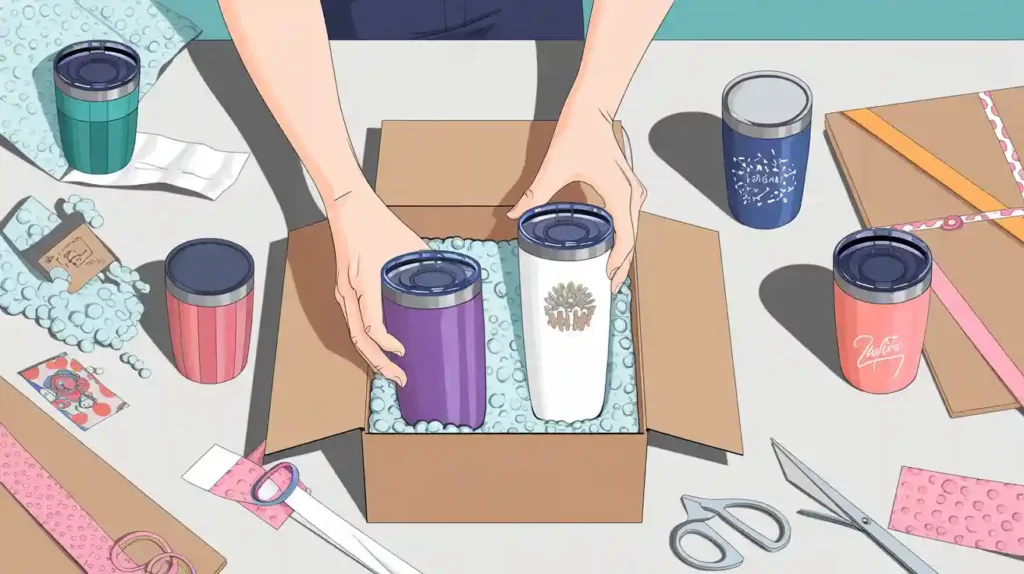
Packaging custom tumblers begins with selecting the right size and material for your tumbler boxes. A snug tumbler gift box prevents movement and potential damage during transit. The table below highlights how various materials protect tumblers while enhancing cost-effectiveness. Adding inserts or ribbons to tumbler packaging boxes not only boosts safety but also adds a touch of style. Using branded tumbler shipping boxes elevates the overall unboxing experience.
Material Type | Safety and Protection | Cost-Effectiveness and Sustainability |
|---|---|---|
Kraft | Strong, reliable, biodegradable | Durable and eco-friendly |
Cardboard | Easy to customize, durable | Minimal environmental impact |
Corrugated | Excellent shipping protection | Sustainable, good for branding |
Rigid | Maximum protection | Affordable, recyclable |
Customizing your tumbler box and choosing the right tumbler packaging boxes ensures every tumbler arrives safely and impressively.
Key Takeaways
Measure your tumblers carefully and choose boxes that fit snugly to prevent damage during shipping.
Use strong, protective materials like bubble wrap and custom inserts to keep tumblers safe and improve presentation.
Select eco-friendly, sturdy boxes with branding elements to protect products, impress customers, and support your brand’s image.
Choosing the Right Tumbler Boxes
Measuring for Fit
Accurate measurement ensures that tumbler boxes fit custom tumblers securely. Packaging experts recommend several steps for precise sizing:
Measure the internal dimensions of the box, not the external, to guarantee a snug fit.
For cylindrical tumblers, measure the height from base to top and the diameter at the widest point.
Leave a small amount of extra space inside the box for easy insertion and cushioning.
Consider the thickness of the packaging material when determining box size.
Use precise tools such as measuring tapes or smartphone apps for accuracy.
Measure multiple times to confirm results.
Consult packaging professionals if unsure about measurements or fit.
Internal dimensions play a critical role in preventing movement and damage during transit. For cylindrical products, diameter serves as both length and width, while height is measured from top to bottom. Leaving finger space and accounting for cushioning materials helps protect the tumbler. Material thickness affects external dimensions and shipping costs, so careful selection is important.
Tip: Always re-measure products before ordering tumbler boxes to avoid costly mistakes.
Box Types and Materials
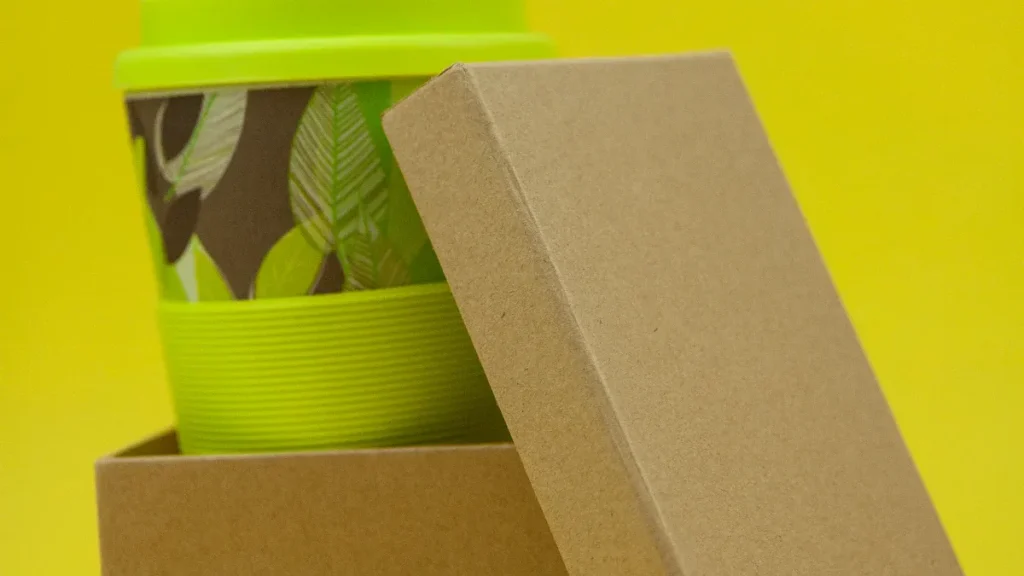
Selecting the right box type and material impacts both protection and presentation. Common box types include cardboard, corrugated, and kraft. Each offers different levels of strength and durability:
Box Type | Material Variants | Common Styles | Durability Rating (Inferred) |
|---|---|---|---|
Cardboard | Standard Cardboard | Tuck Boxes, Folding Cartons | Basic durability, suitable for light protection |
Corrugated | E, B, AB Flutes | Mailer Boxes, Display Boxes | Higher durability and protection due to flute design |
Kraft | Kraft Paper Stock | Pillow Boxes, Folding Cartons | Moderate durability, eco-friendly option |
Cardboard packaging offers good customizability and cost-effectiveness, especially with lighter paper thicknesses. Corrugated cardboard provides superior strength and shock resistance, making it ideal for fragile items like tumblers during shipment and storage. Custom boxes made from corrugated or rigid materials deliver the highest level of protection and branding appeal. While corrugated and rigid custom boxes tend to be more expensive, they ensure safe delivery. Cardboard boxes provide moderate protection at a lower cost.
The closure method also affects security. Tuck-top boxes use flaps for easy assembly and secure closure, suitable for retail and gift packaging. Auto-lock and lock bottom boxes offer more stable closures for heavier products. Seal end and self-lock cake boxes prevent accidental openings, enhancing protection during transit. Double wall tuck top boxes add sturdiness and extra strength, improving the security of the packaged product.
Matching the box type to the tumbler material is essential. Insulated, ceramic, and stainless steel tumblers may require different levels of protection. Retail, shipping, and gifting purposes also influence the choice of box style and strength.
Eco-Friendly Options
Sustainable packaging materials help reduce environmental impact while maintaining protection. Leading options include sugarcane bagasse, bamboo fiber, wheat straw, cornstarch-based PLA, aluminum, glass, rPET plastic, mushroom mycelium, avocado pit bioplastic, seaweed-based edible films, and popcorn-based insulation.
Sustainable Packaging Material | Protection Performance | Environmental Impact |
|---|---|---|
Sugarcane Bagasse Containers | Withstands hot/cold temperatures, maintains integrity | Compostable within 90 days, made from sugarcane waste |
Bamboo Fiber Packaging | Durable, moisture and grease resistant | Rapidly renewable, fully compostable |
Wheat Straw Containers | Sturdy, excellent insulation properties | Compostable within 180 days, made from agricultural waste |
Cornstarch-Based PLA Packaging | Plastic-like clarity and functionality | Biodegradable in industrial composting |
Aluminum Containers | Lightweight, excellent barrier properties | Indefinitely recyclable, reduces shipping emissions |
Glass Packaging | Chemically inert, reusable, recyclable | Fully recyclable, supports reusable models |
rPET Plastic Containers | Durable, recyclable through existing systems | Made from recycled plastic bottles |
Mushroom Mycelium Packaging | Water resistant, cushioning comparable to styrofoam | Compostable rapidly, made from agricultural waste |
Avocado Pit Bioplastic | Strong and durable rigid containers | Made from waste biomass, supports circular economy principles |
Seaweed-Based Edible Films | Dissolves in water, eliminates waste | Ultimate sustainable solution for single-use, biodegradable |
Popcorn-Based Insulation | Equivalent performance to styrofoam insulation | Fully compostable, renewable source |
Custom-fitted corrugated cardboard cradles the product directly and reduces the need for interior packing. Mushroom mycelium packaging provides foam-like cushioning and composts rapidly. Recycled plastics are durable and used for air pillows and wrapping. Metal packaging is highly protective and recyclable indefinitely. Biodegradable packing peanuts and cardboard bubble wrap offer shock absorption and cushioning with minimal environmental impact.
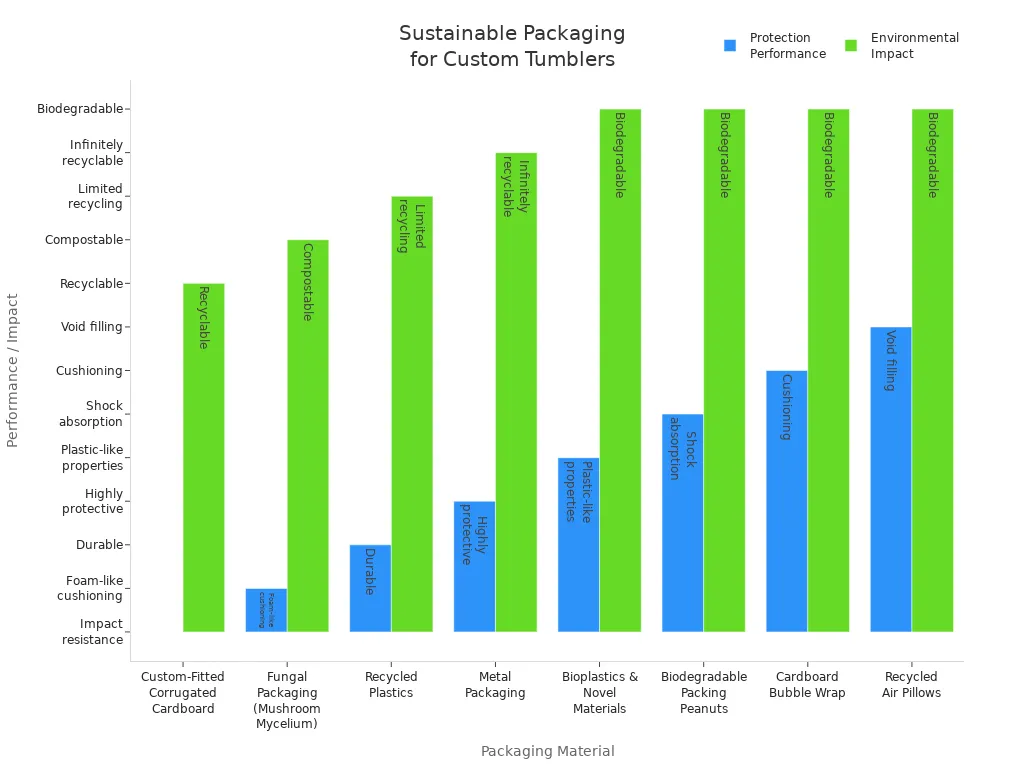
Biodegradable materials, such as bioplastics and plant-based options, break down naturally under proper composting conditions, reducing waste accumulation. Recyclable materials, including paper, cardboard, glass, and metal, help conserve resources by reducing virgin material demand. Compostable packaging made from organic materials offers sustainable end-of-life solutions. Certifications like compostable labels and FSC certification guide sustainable choices. Bamboo and mushroom-based packaging provide renewable, biodegradable alternatives.
Note: Choosing eco-friendly tumbler boxes demonstrates commitment to sustainability and appeals to environmentally conscious customers.
Protection and Branding
Right Shipping Box for Safety
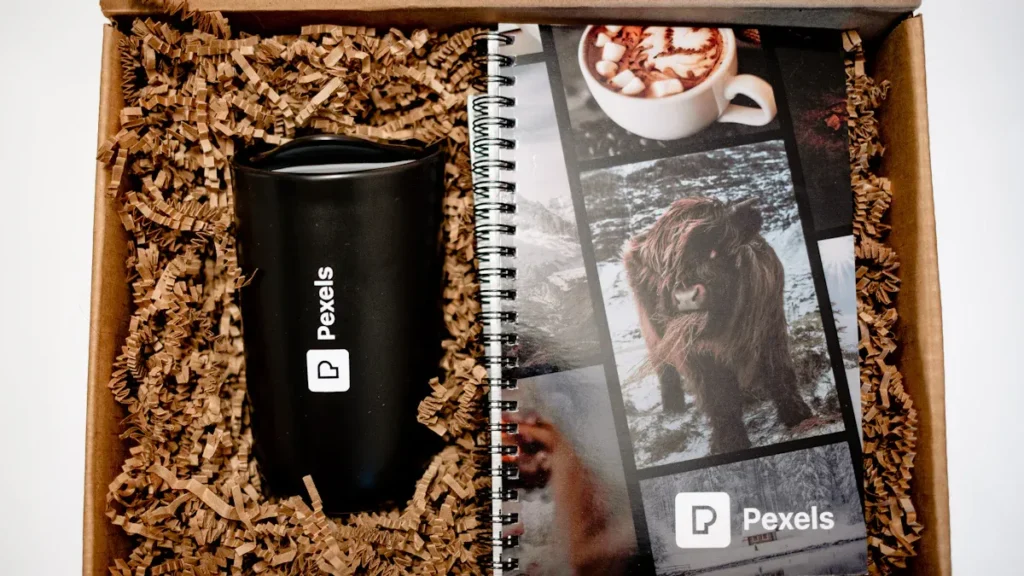
Selecting the right shipping box is essential for protecting custom tumblers during transit. Many tumbler damages occur due to shock, pressure, and movement inside the package. A snug, custom-sized box reduces empty space and limits shifting, which helps prevent breakage. UPS Ground-tested boxes offer reliable protection and durability. Custom packaging tailored to the tumbler’s dimensions optimizes space, lowers shipping costs, and minimizes material waste. Eco-friendly, plastic-free boxes not only support sustainability but also enhance brand image, attracting customers who value environmental responsibility.
When choosing the right shipping box, consider the following best practices:
Use boxes made with quality material and strong construction for maximum strength.
Incorporate protective inserts or structural elements to absorb shock and distribute weight evenly.
Choose Amazon SIOC-compliant packaging to reduce waste and improve shipping efficiency.
Order samples and consult packaging experts to ensure the box balances protection and cost-effectiveness.
Select boxes with built-in cushioning to streamline packing and reduce the need for extra materials.
Tip: Boxes with built-in foam inserts or molded trays provide a secure fit, absorb vibrations, and reduce the risk of damage. These features also speed up the packing process and create a neat, professional appearance.
Protective Materials
Proper packing materials play a critical role in safeguarding tumblers. The most effective options include:
Packing paper: Wraps fragile items and fills gaps to prevent shifting.
Bubble wrap: Offers flexible cushioning with air-filled bubbles, ideal for wrapping all sides of the tumbler.
Packing foam: Foam rolls, pouches, or sheets provide snug protection, especially for individual tumblers.
Packing peanuts: Fill empty spaces to prevent movement but work best when combined with other materials.
Specialty kits: Cardboard dividers and molded trays separate and protect each tumbler, reducing direct contact and structural stress.
Always fill empty spaces inside the box to prevent movement. Secure all packing materials with strong tape to enhance protection. For glass or ceramic tumblers, use dividers and corner protectors to avoid direct impact. Clearly label packages as “Fragile” or “Handle with Care” to encourage careful handling during shipping.
Custom inserts or molded trays not only reinforce the structure of tumbler boxes but also improve presentation. These inserts can be tailored in shape, color, and style to hold the tumbler securely, reducing movement and potential damage. Built-in cushioning systems, such as foam-in-place, conform precisely to the tumbler’s shape, offering superior shock absorption and reducing waste compared to separate materials.
Note: Excessive packing materials can frustrate customers and harm the environment. Streamline packing to essentials that protect the tumbler and enhance the unboxing experience.
Branding Elements
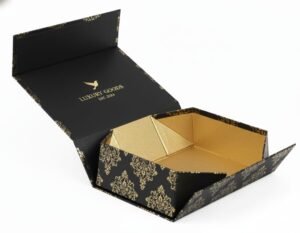
Branding transforms ordinary packaging into a memorable experience. Custom printing, window displays, and thank-you cards all contribute to a strong brand identity. Consistent use of colors, logos, and typography makes packaging recognizable and reinforces brand personality. Functional features like magnetic closures or resealable pouches add usability and elevate the unboxing moment.
Cost-effective branding techniques include:
Logo stickers and custom rubber stamps for instant visual impact.
Hang tags attached with ribbon or twine in brand colors.
Branded packaging tape and roll labels to reinforce identity.
Thank-you notecards or postcards with personalized messages to foster loyalty.
QR codes, care instructions, and social media handles to encourage engagement and sharing.
Branding Technique | Benefit | Cost-Effectiveness |
|---|---|---|
Digital printing | High-quality visuals, full customization | Moderate |
Logo stickers | Affordable, easy to apply | High |
Custom tissue/ribbons | Adds premium touch | Moderate |
Hang tags | Personalizes packaging | High |
Foil stamping/embossing | Elevates perceived value | Moderate |
Seasonal or limited-edition packaging designs create excitement and urgency, boosting sales and customer engagement. Holiday-themed boxes, exclusive collaborations, and bundled gift sets make products more memorable and gift-ready. Eco-friendly branding elements, such as recyclable or compostable materials, appeal to millennials and Gen Z, who value sustainability.
Branded packaging influences customer perception and repeat purchases. Neat, professional, and personalized packaging creates an emotional connection, making the product feel special. Studies show that 72% of consumers prefer eco-friendly packaging, and 78% are willing to pay more for sustainable products. For drinkware, including tumblers, quality branded packaging increases the likelihood of repeat business by 30%. Thoughtful presentation encourages social sharing, strengthens brand loyalty, and sets expectations for product quality.
Callout: Packaging is not just protection—it is a communication tool that builds brand recognition, enhances customer satisfaction, and drives repeat purchases.
Measure tumblers and select boxes that fit securely.
Use protective materials like bubble wrap or tissue paper.
Choose sturdy shipping boxes with branding accents.
Track customer feedback and damage rates to improve packaging.
Smart packaging choices protect products, impress customers, and support business growth.