Ever unwrap a shirt or dress and feel like the box mattered as much as the item inside? That’s not an accident. Apparel boxes are the unsung heroes of clothing retail: practical enough to protect a garment, but stylish enough to build a brand moment. Whether you’re a tiny Etsy label, a boutique, or a bigger apparel brand ordering apparel boxes wholesale, the right box does more than carry clothes — it tells your story. Think about the last time you bought a gift, chances are the box made you pause before you even touched the fabric. That emotional pause is exactly what brands are aiming for.
In this post we’ll explain what apparel boxes are, the main types (including apparel gift boxes and apparel shipping boxes), why design and sustainability matter, how to pick the right custom apparel boxes, and where buying in bulk can save time and money.
What Exactly are Apparel Boxes?
At the simplest level, an apparel box is a container designed specifically to house clothing: shirts, blouses, dresses, knitwear, even small accessories like scarves or socks. They come in many styles — rigid two-piece gift boxes, tuck-top mailers, corrugated shipping boxes, and slim mailer sleeves — but all share the same purpose: protect the product, present the product, and make the customer feel like someone cares.
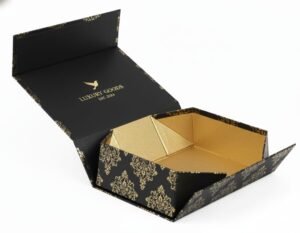
When brands invest in custom apparel boxes, they choose size, material, printing, and finishing options that reflect their identity. That might mean a luxe rigid box with foil stamping for a premium brand, or a minimalist kraft clothing gift box with a simple logo for an eco brand. The options are flexible, but the end goal stays the same: protect the garment and create a memorable unboxing.
Why Apparel Boxes Matter Beyond Protection
People often think packaging is only about keeping things from getting damaged. That’s true — but it’s just step one. In other words, apparel boxes are not just containers; they act like your silent salespeople, shaping how customers remember the purchase.
- Protection & Fit. A correctly sized apparel shipping boxprevents excessive movement and wrinkling. For heavier shipments, corrugated structures give the stacking strength logistics demand. Choosing the right structure is a practical, product-care decision.
- First Impression & Brand Recall. Packaging is the first physical touchpoint customers have with your product. A thoughtful apparelpackaging box communicates quality and attention to detail. Simple touches — tissue paper, a sticker, or a printed inner flap — can turn a purchase into an experience.
- Customer Marketing. An Instagram-worthy apparel gift boxgets shared. User-generated content is free marketing; packaging that photographs well multiplies return on investment.
- Operational Efficiency. Standardized box sizes that suit your product mix streamline packing, reduce shipping costs, and make warehouse work faster.
Types of Apparel Boxes
Here’s a practical table to help you choose.
| Box Type | Best For | Typical Features |
|---|---|---|
| Apparel Shipping Boxes | E-commerce orders, bulk shipments | Corrugated cardboard, strong flaps, sometimes custom internal dividers |
| Apparel Gift Boxes / Clothing Gift Boxes | Gift sales, premium packaging | Two-piece rigid or pop-up designs, liners, ribbon options |
| Custom Apparel Boxes | Brand differentiation | Full-color printing, die-cuts, embossing, custom sizes |
| Economy Apparel Boxes | Cost-sensitive products | Kraft or single-wall cardstock, minimal finishing |
| Mailer Sleeves / Poly Mailers | Slim garments (leggings, tees) | Lightweight, lower postage cost, minimal protection |
Examples: many suppliers offer apparel gift boxes in two-piece pop-up formats and gloss or kraft finishes for retail presentation. If you want eco options, recycled kraft boxes are common in wholesale assortments.
Design Tips that Actually Work (Not Just “Be Creative”)
If you’re ordering apparel boxes, follow these practical rules:
- Right-size first – Oversized boxes look wasteful and increase shipping costs. A neat fit reduces wrinkle risk and improves perceived value.
- Keep core branding visible –Logo placement, color accents, and a consistent typeface create instant brand recognition.
- Add a human touch –A short printed thank-you or care instructions inside the lid feels personal. Small additions raise perceived value more than expensive finishes sometimes do.
- Limit heavy finishes for eco lines – If you’re leaning towards sustainable, skip the full UV coating and metallic foils, they can complicate recycling.
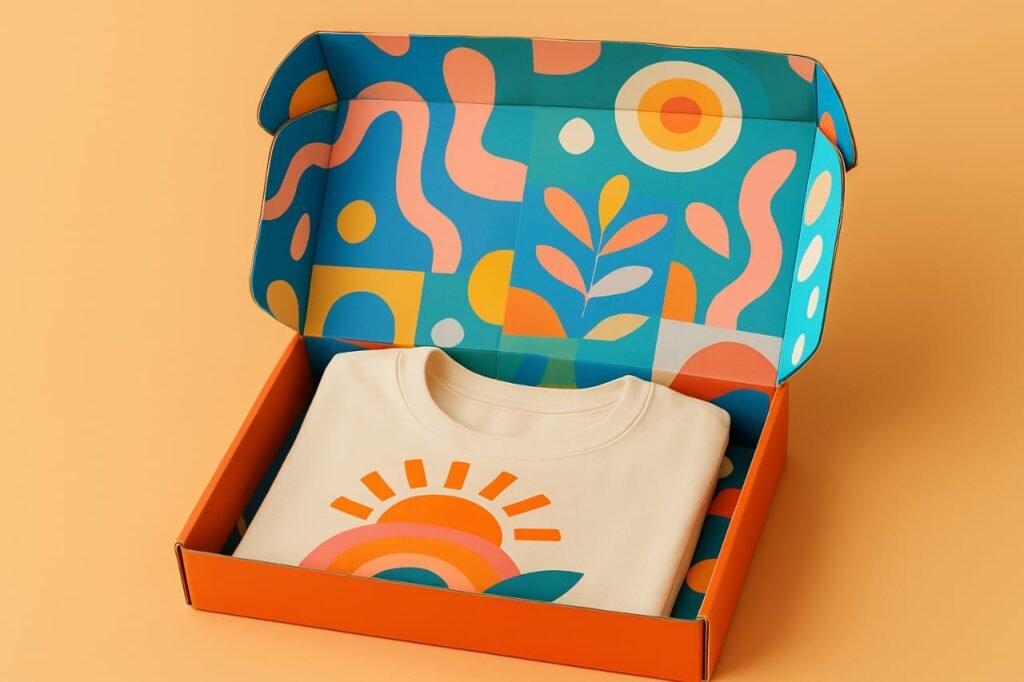
- Think inside the lid – Printed interiors, tissue wraps, or a branded sticker, the interior is free advertising and a great place to guide the unboxing moment. Even a small ribbon or eco-friendly band can elevate the look without adding much cost.
If you plan to create custom apparel boxes, consult your manufacturer early about dielines and safe print areas to avoid surprises.
Sustainability: How to be Responsible Without Killing Your Aesthetic
Sustainability is not one-size-fits-all. You can balance brand beauty with green choices:
- Material selection.Corrugated and kraft boards are widely recyclable. Many wholesale suppliers sell recycled kraft apparel gift boxes or fully recycled shipping boxes. Look for post-consumer recycled (PCR) content if that aligns with your story.
- Design for reuse.A sturdy two-piece box can double as storage, giving it a longer life and better lifecycle footprint than a disposable mailer.
- Minimalist inserts.Avoid plastic inserts when a paperboard or wrapped tissue will do. The simpler the pack, the easier for customers to recycle.
- Think logistics. Lighter boxes and right sizing reduce fuel in transit — an indirect but real sustainability win. And customers notice since many buyers actively prefer brands that highlight eco-friendly packaging on their product pages.
For many businesses, starting with recycled kraft apparel gift boxes wholesale is an easy, cost-effective first step
Buying Wholesale vs. Small Batch: Pros & Cons
If you sell regularly, apparel boxes wholesale is a smart path:
Pros
- Lower cost per unit.
- Predictable inventory and consistent branding.
- More finish and customization options become economically feasible.
Cons
- Requires storage space.
- Longer lead times for custom printing (plan ahead).
For seasonal or test product lines, smaller runs or print-on-demand may be better. Many suppliers provide both boxed product pages for wholesale buyers and smaller MOQ (minimum order quantity) options for startups. Paper Mart and other wholesalers carry ready-made apparel box SKUs and recycled options for brands that need speed and cost control.
How to Pick a Supplier & What to Ask
When you contact a box supplier, ask:
- Minimum order quantities and pricing tiers (unit price at different volumes).
- Lead time for prototypes and production runs.
- Material composition and FSCor recycled content if you want sustainable claims.
- Available finishes (printing technology, die cut, embossing, foil).
- Can they provide dielines or help with template setup?
- Shipping costs and whether the supplier ships flat-packed for efficient storage.
A good supplier will share sample swatches and give clear guidance on what print file formats to supply. If you plan to scale, ask about the supplier’s ability to lock in art and color for repeat orders.
Real-World Checklist Before Ordering
- Measure garments when folded and add 8–12mm buffers on each side.
- Decide if you want tissue paper, sticker seals, or personalized inserts.
- Test one prototype before placing a large apparel gift box wholesale
- Confirm return/repair policies with your supplier in case a batch has defects.
Final Thoughts
Apparel boxes are small investments that pay back in higher perceived value, brand continuity, and happier customers. Whether you’re choosing a simple kraft clothing gift box for a sustainable brand or designing a striking custom apparel box with full-color printing, the right packaging makes your product feel complete.