If you’ve ever fastened a little chain around your ankle and wondered why it feels charged—more than just jewelry—you’re not imagining it. Anklets carry stories. They’ve signaled status, celebrated love and dance, offered spiritual protection, and—yes—served pure style. Below, we unpack the meanings behind anklets across cultures and time, how side (left vs. right) gets interpreted today, and how to make your piece feel personal (from charms to custom anklet boxes and that perfect anklet gift box.
A Quick Timeline and Why Anklets Feel Ancient But Modern
Archaeology and museum collections make one thing clear: anklets aren’t a TikTok trend; they’re millennia old. Egyptian royals wore exquisite pieces—like the gold-and-amethyst anklet of Princess Sithathoryunet from Egypt’s Middle Kingdom (12th Dynasty). It’s a museum favorite because it proves anklets weren’t just casual accessories; they marked status and ceremony.
Beyond Egypt, anklets appear throughout North and East Africa—there’s even a heavy bronze Meroitic anklet from ancient Nubia (today’s Sudan) dating to around A.D. 100–250.
Across South Asia, anklets (payal/paizeb/nupur) are deeply rooted and show up in both daily life and ritual. Scholarly work on Indus/Harappan ornaments notes anklets in burials and on figurines, with bead strands and copper examples showing their popularity thousands of years ago.
And in India’s classical arts, ghungroo—rows of small bells on leather or cloth straps—turn movement into music, an audible symbol of rhythm and devotion in dance traditions.
Even general overviews echo this deep history, noting anklets across the Indus region and Egypt since antiquity.
Takeaway: Anklets have always done double duty—ornament and message.
Meanings That Show Up Again and Again
1. Status, Wealth, and Identity
Materials often spoke first: gold and gemstones for elites; bronze, copper, or beads for everyday wearers. The Egyptian record is unambiguous—luxury anklets marked rank and ritual. In India, ornate gold paizeb in regions like Rajasthan or Malwa signaled privilege and were part of a full jewelry suite.
2. Spiritual Protection and Blessing
In many ancient contexts, jewelry wasn’t “just pretty.” Egyptian adornment often had protective and religious functions; amuletic power mattered as much as beauty. Anklets, like armlets and bracelets, could be worn in life and sent into the afterlife as spiritual insurance.
3.Dance, Rhythm, and Celebration
Ghungroo anklets make sound with every step, turning the feet into instruments in Indian classical dance. They’re not mere decoration; they symbolize discipline, devotion, and the joy of performance.
4. Love, Commitment, and Community
In South Asian bridal traditions, anklets are a meaningful part of wedding jewelry—sometimes signaling auspiciousness, femininity, and affection from the giver. (Exact meanings vary by region and family custom.)
Left vs. Right Ankle: Does the Side Matter?
Historically, there isn’t a single, universal rule. Different eras and communities had their own practices. Modern pop-culture interpretations do circulate online:
- Left ankle:sometimes described as intuitive, feminine, or “receptive.”
- Right ankle:sometimes framed as confident, independent, or “available.”
These interpretations are common in lifestyle and jewelry blogs, not academic sources. They can be fun for personal symbolism, but treat them as contemporary options, not timeless law.
Quick Cheat Sheet (Modern/Pop Meanings)
| Side You Choose | Common Modern Reading |
|---|---|
| Left Ankle | Intuition, feminine energy, inward focus |
| Right Ankle | Confidence, outward expression, independence |
Style Also Speaks: Chains, Bells, Beads, and More
The design you pick layers in extra meaning:
- Box chain anklet– clean lines, a subtle, modern minimalism that pairs with everything; “quiet luxury” vibes.
- Paizeb (India)– articulated links/balls that move and softly jingle; associated historically with privilege in some regions.
- Ghungroo– audible and performative; dance, rhythm, and devotion.
- Beaded or braided– bohemian, earthy, personal; can nod to craft traditions.
- Bold metal cuffs– strength and statement; also seen in historical African and South Asian contexts.
Charm Ideas & What They Can Suggest (Your Rules > Any Rules)
| Charm/Detail | You Might Mean |
|---|---|
| Heart, lock, initials | Love, commitment, or a private story |
| Evil-eye/hand motifs | Protection, good luck (modern, cross-cultural) |
| Pearl or moonstone | Femininity, tide-and-moon energy |
| Bells (small) | Playfulness; a nod to dance traditions |
| Minimal, no charm | Sleek confidence; let the metal speak |
How Different Cultures Have Used Anklets
| Culture/Region | Historical Uses & Meanings |
|---|---|
| Ancient Egypt | Status, ceremony, protective/amuletic value; elite materials like gold and amethyst. |
| Indus/Harappan | Everyday and burial contexts; bead/copper anklets suggest social signaling and identity. |
| Nubia (Meroitic) | Substantial metal anklets; durability and prestige implied by scale and craft. |
| India (Historic-present) | Bridal jewelry, regional styles (paizeb/payal), dance (ghungroo), love and auspiciousness. |
So… What Does Wearing an Anklet Symbolize Today?
It’s a choose-your-own-meaning era. People wear anklets to:
- Honor tradition(a quiet link to Egypt, India, or family heritage).
- Carry a talisman(protection, good luck, a reminder to stay grounded).
- Celebrate movement(runners, dancers, beach walkers—your steps make the piece come alive).
- Signal romance(as a gift, an anklet can be intimate without being flashy).
- Express personal style(minimalist box chain anklet, maximalist charm stack, or something you had an ankle bracelet custom-made just for you).
There’s no single “correct” reading. The best meaning is the one you decide and actually wear.
Making It Personal
If you’re shopping or designing:
- Start with the story.One word can guide you—“protect,” “begin,” “remember,” “move,” “love.” Pick metal, charms, and length to match.
- Consider movement.If you love the soft sound of bells (or hate it), plan accordingly. Ghungroo-inspired looks are gorgeous—but intentionally audible.
- Keep comfort first.Anklets sit where skin meets shoe straps. Smooth edges, correct fit, and reliable clasps matter.
Packaging elevates meaning:
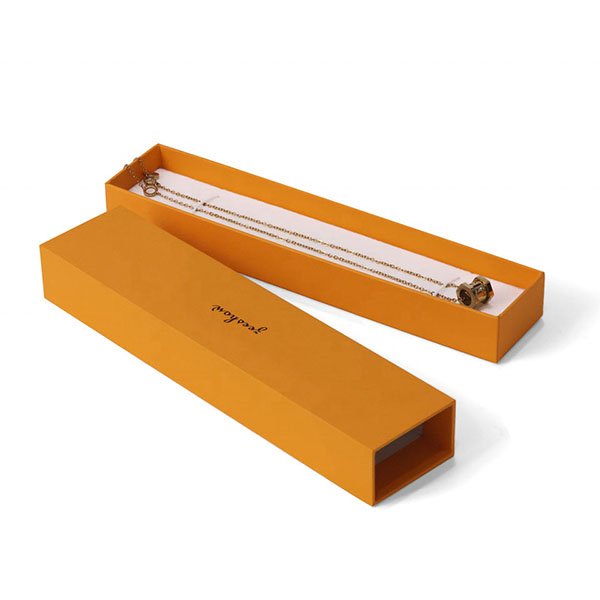
- A small anklet boxprotects delicate chains and keeps charms from tangling.
- For gifting, a themed anklet gift box with a note card—“Here’s to new beginnings”—turns jewelry into a tiny ceremony.
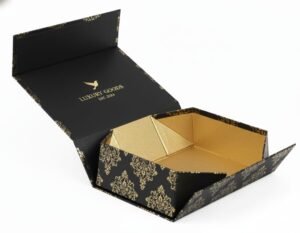
- For bespoke pieces, custom anklet boxes with your brand mark or message (even a date inside the lid) make unboxing feel intentional. If you’re giving a minimal box chain anklet, a dark insert helps the geometry pop.
- If you sell or collect, label the inside foam (“sterling,” “14k,” “plated”) so that in the future you remember how to care for it.
Care and Etiquette
- Material care:Gold and sterling resist tarnish better than base metals; store separate from other pieces to avoid scuffs.
- Fit:Most anklets look best when they sit just above the ankle bone without digging in—add a 1–2 cm extender if you like to swap between sandals and sneakers.
- When to remove:Pools and hot tubs can be rough on plating; saltwater is OK for solid gold, but rinse after.
- Sound check:If your workplace is quiet, choose silent chains. Save bells for weekends or performances.
- Cultural sensitivity:A ghungroo-inspired piece for everyday is fine, but treat classical dance anklets (used in training/recitals) with respect.
Frequently Asked Questions
Does an anklet “mean” I’m taken or available?
Only if you want it to. The internet’s left/right rules are modern, not universal. Use them as playful cues, not commandments.
Is it okay to wear gold anklets on your feet?
Some South Asian traditions avoid gold below the waist, while others do wear gold paizeb—context and family custom matter. Museum records show historical gold anklets, but etiquette varies regionally today.
Can men wear anklets?
Absolutely—across history, men have worn ankle ornaments too (think ancient Africa and the Mediterranean). Today it’s a style choice, pick a heavier chain or leather if you want a more rugged look.