When you think about buying or gifting a shirt, the first image that usually comes to mind after the shirt is the box it comes in. Shirt boxes aren’t just part of packaging, they serve as protection, presentation, and sometimes even as part of the gift itself. But here’s a common question many shoppers and businesses ask, what size is a normal shirt box?
In actuality, manufacturers, merchants, and custom package suppliers often adhere to a conventional range of measurements rather than a single universal one. The typical dimension of a normal shirt box, the reasons behind size variations, and how to select the best personalized shirt packaging for your requirements will all be covered in this article. We’ll also discuss current custom t-shirt packaging trends and the importance of presentation in the recent fashion market.
Standard Shirt Box Sizes
A “normal” shirt box is generally rectangular, slim, and designed to hold a folded shirt flat without excessive creasing. These are the most typical shirt box measurements based on industry standards.
| Shirt Box Type | Standard Dimensions (inches) | Best Use Case |
|---|---|---|
| Small Shirt Box | 9 × 12 × 1 | Ideal for children’s t-shirts, slim-fit shirts, or one light garment |
| Medium Shirt Box | 11 × 14 × 1.5 | Most common for men’s dress shirts, polo shirts, and casual tees |
| Large Shirt Box | 12 × 15 × 2 | Suited for bulkier fabrics, multiple shirts, or layered packaging |
| Extra-Large Box | 14 × 19 × 3 | Perfect for premium shirts, multi-item gifts, or larger apparel items |
As you can see, there’s a range of sizes considered “normal” depending on the shirt style and how the brand wants to present it. In retail, the medium shirt box is the most frequently used.
Shirt Box Sizes Comparison Chart
To better visualize the difference in dimensions, here’s a chart that compares standard shirt box sizes side by side:
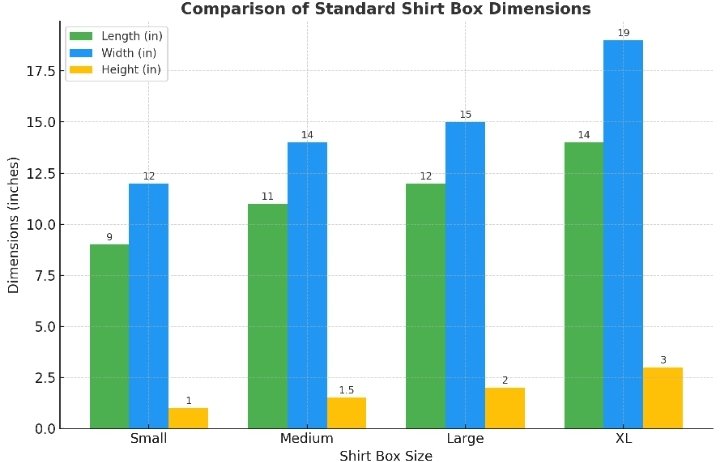
This simple comparison shows how each box grows in both dimension and purpose.
Why Shirt Box Sizes Vary
1. Type of Shirt
A dress shirt with stiff collars takes up more space than a cotton t-shirt that fits tightly. On the other hand, embroidered shirts or thick materials require more breathing room.
2. Branding Choices
While eco-friendly companies may utilize small t-shirt packaging to prevent material waste,
certain luxury brands prefer bigger custom shirt boxes with extra padding to improve the
unwrapping experience.
3. Retail vs. Shipping
In-store boxes are typically thinner and more aesthetically pleasing. However, stronger, marginally bigger corrugated boxes are typically needed to package t-shirts for shipping in order to prevent handling damage.
4. Cultural and Regional Standards
the U.S., the medium shirt box dominates department stores, but in Asia, slightly smaller dimensions are often used for compactness and cost efficiency.
The Rise of Custom Shirt Packaging
In recent years, custom t-shirt packaging has gone beyond practicality—it has become part of the branding strategy. Businesses now realize that the box itself speaks volumes about their product’s value.
Benefits of Custom Packaging:
- Market Presence:it is reinforced by distinctive custom shirt boxes with logos, colors, and textures.
- Consumer Satisfaction:the unboxing experience is improved by attractive packaging, which also encourages social media sharing.
- Security:the right size of t-shirt wrapping guards against damage while in transit.
- Green Practices:eco-friendly materials are currently used by many enterprises, which lessens their influence on the environment.
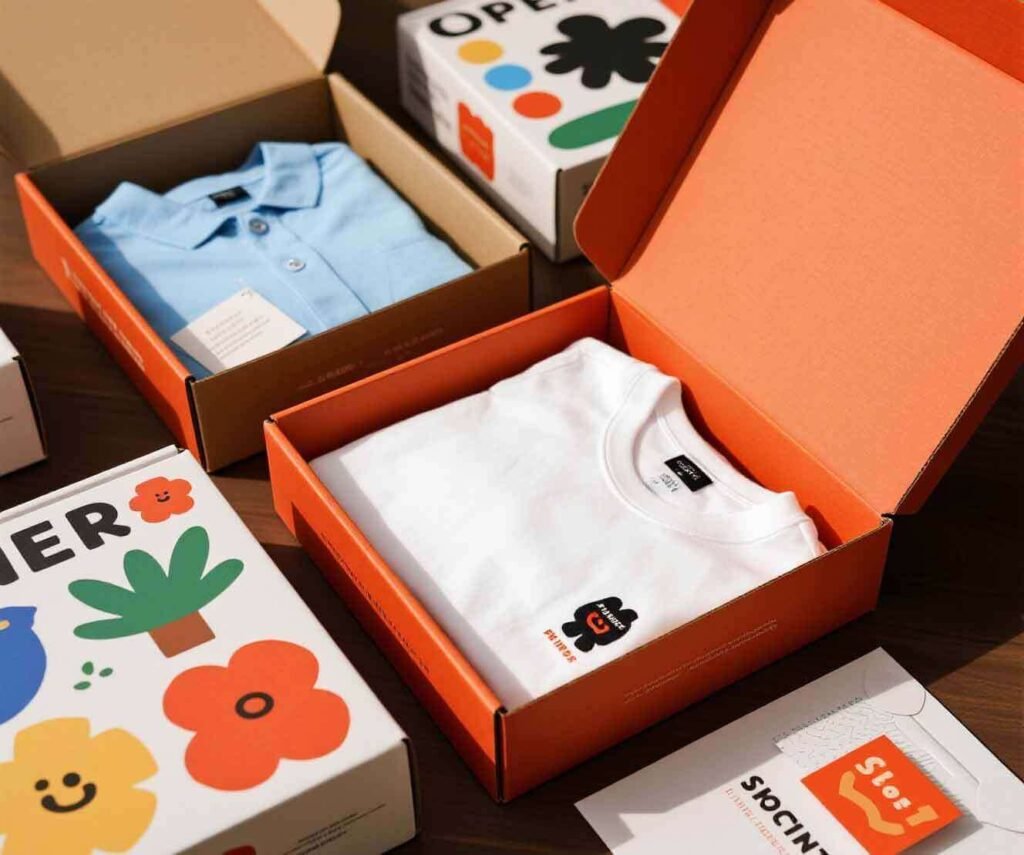
Even a basic kraft box with a personalized label can improve a shirt’s perceived quality for small firms.
For instance, a small clothing company can create a unique t-shirt packaging box using tissue paper and their logo embossed on it. This gives even a regular t-shirt a high-end feel.
Packaging for Retail vs. Packaging for E-Commerce
The needs of retail packaging differ greatly from e-commerce packaging. Here’s a quick
breakdown:
| Aspect | Retail Shirt Boxes | E-Commerce Shirt Boxes |
|---|---|---|
| Designs | Slim, elegant, often decorative | Sturdy, protective, sometimes plain outside |
| Size | Typically smaller, fitted to shirt | Slightly bigger to allow for shipping materials |
| Material | Lightweight paperboard | Corrugated cardboard for durability |
| Customer Expectation | Unboxing in-store or gift presentation | Safe delivery and neat presentation |
If you’re a clothing brand, deciding between retail-ready t-shirt packaging and durable shipping packaging t-shirts depends on whether customers are buying in-store, online, or both.
Creative Trends in Shirt Box Packaging
The world of custom packaging t-shirts is evolving. Here are some exciting trends:
- Minimalist Designs– simple kraft or white boxes with casual branding give off a modern, environmentally friendly vibe.
- Customized Boxes– initials, names, or containers tailored to a particular occasion such as business presents or weddings.
- Renewable Materials– recycled kraft paper or cardboard that decomposes naturally.
- Engaging Packaging– QR codes that provide vouchers, care instructions, or styling advice.
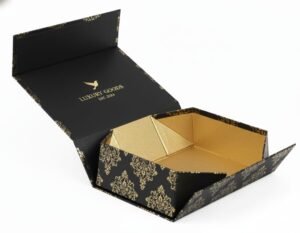
- Magnetic Flap Shirt Boxes– these are frequently used by luxury brands to provide a high-end experience.
How to Choose the Right Shirt Box Size
Here are important things to think about whether you’re mailing shirts as gifts, operating a clothes store, or buying in bulk.
- Shirt Type
- Quantity
- Material Thickness
- Presentation Goal
- Shipping vs. Display
You can determine if you require a custom shirt packaging solution or a basic t-shirt box by responding to these questions.
Shirt Box Sizes: Quick Reference Table
Here’s a handy overview:
| Box Size | Dimensions | Best For |
|---|---|---|
| Small | 9 × 12 × 1 | Single slim shirt or kid’s tee |
| Medium | 11 × 14 × 1.5 | Most standard size for adult |
| Large | 12 × 15 × 2 | Bulkier fabrics or multiple shirts |
| XL | 14 × 19 × 3 | Premium/luxury shirts or multi-garment sets |
Real-World Examples
- Macy’soften uses 11 x 14 x 1.5-inch shirt boxes as their standard gift box size for men’s dress shirts.
- Uniqlotypically uses slim, minimalistic packaging for t-shirts in-store, favoring eco-conscious designs.
- Luxury brands like Ralph Laurenopt for larger, sturdier custom shirt boxes with branded tissue and ribbon to enhance the unboxing.
Why Size Matters in Packaging
Choosing the right packaging t shirt size isn’t just about fit—it affects:
- Cost Efficiency:Too big means wasted space and shipping costs.
- Product Safety:Too small may damage or wrinkle the shirt.
- Customer Experience:A box that feels “just right” elevates the brand image.
This balance is why businesses often invest in custom packaging t-shirts rather than relying only on generic options.
The actual answer varies depending on the shirt style, display, and shipping requirements, even though the typical shirt box measures about 11 × 14 × 1.5 inches. Selecting the appropriate box size is a minor issue but has a significant impact, whether you’re in a business, an internet vendor, or just giving a shirt as a gift.
Corporations and individuals may customize their wrapping to reflect style, sustainability, and brand identification thanks to the wide variety of custom t-shirt packaging alternatives available today.
Do you want to improve the way your shirts seem as a fashionista or business owner? Investigate personalized shirt packing that complements your enterprises, clients, and style rather than settling for the norms. The correct design may turn an ordinary item of clothing into an unforgettable experience, regardless of whether you require a conventional t-shirt box or eco-safe t-shirt packaging.
Ready to upgrade your shirt packaging? Let’s create something that speaks for your brand. Drop a comment below or connect with us to start customizing today!