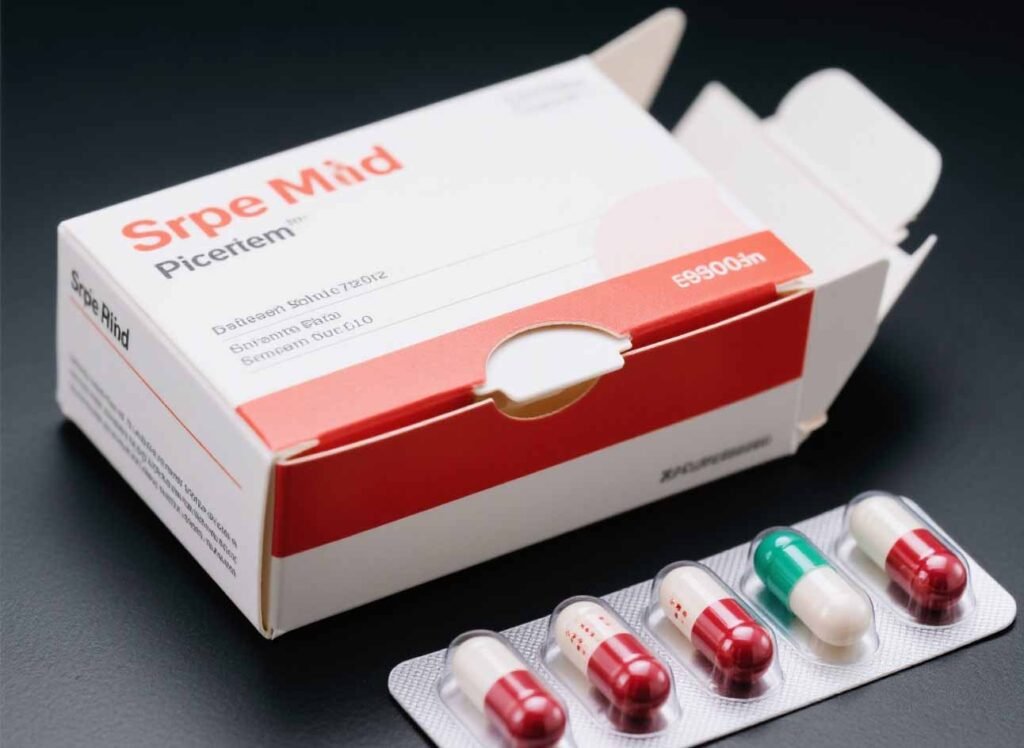
A pill packaging box keeps medicine safe, organized, and easy to access. Many types of pill packaging exist today, from blister packs to color-coded multi-dose systems. The market for pill packaging boxes continues to grow, driven by new needs and health trends.
Metric | Value (USD Billion) | Year | CAGR (%) | Forecast Period |
|---|---|---|---|---|
Pharmaceutical Packaging Market | 2024 | 6.16 | 2025-2032 |
Many people rely on a phill box and other pill packaging solutions for their daily medication routines and safety.
Key Takeaways
Pill packaging boxes help organize medications, reduce missed doses, and improve patient safety by providing clear compartments and reminders.
Different types of packaging, like blister packs, strip pouches, and smart dispensers, offer unique benefits such as tamper evidence, portability, and automated dose tracking.
Choosing the right packaging depends on user needs, including ease of use, safety features like child resistance, and eco-friendly materials that support sustainability.
Pill Packaging Boxes Overview
Definition
Pill Packaging Boxes organize and protect medications for daily use. Manufacturers use a range of materials to create these boxes. Common plastics include PET, LDPE, HDPE, PP, PE, COC, and PEN. These plastics offer lightweight strength and moldability. Aluminium provides a strong barrier against moisture and light, especially in blister packs. Paper and board serve as secondary packaging, adding branding and tamper evidence. Glass appears mainly in vials and bottles, but less often in pill boxes.
Pill Packaging Boxes differ from other medication packaging solutions. Pill packs and pouches focus on dose-specific convenience. They use small, sealed pouches labeled by day and time. Blister packs display doses in a calendar layout, making it easy to track missed doses. Mailer boxes and rigid boxes protect medicines during shipping and storage. Folding cartons offer affordability and clear labeling for everyday medicines.
Tip: Pill Packaging Boxes help patients manage complex medication regimens and support safe storage at home or on the go.
Main Uses
Explanation | |
|---|---|
Organizing Medications | Boxes arrange pills by day and time, reducing confusion and simplifying routines. |
Reducing Missed or Duplicate Doses | Clear compartments allow users to check if they have taken their medicine, lowering mistakes. |
Enhancing Patient Independence | Patients can manage their own medications, improving adherence and confidence. |
Incorporating Reminder Systems | Some boxes include alarms or electronic reminders for timely intake. |
Real-time Monitoring and Support | Smart boxes track usage and share data with healthcare providers. |
Preventing Dispensing Errors | Pre-organized doses help identify mistakes before they happen. |
Improving Communication | Data from smart boxes supports discussions between patients and providers. |
Promoting Education and Awareness | Organized pills teach users about names, dosages, and schedules. |
Facilitating Caregiver Support | Caregivers use boxes to monitor and manage patient adherence, reducing their workload. |
Importance
Safety
Medication safety stands as a top priority for patients, caregivers, and healthcare providers. Blister packaging boxes separate doses by day and time, removing guesswork and lowering the risk of medication errors. Sealed packs maintain proper storage conditions, protecting medication quality and supporting responsible habits. Abuse-deterrent packaging, such as locking caps and timer caps, restricts unauthorized access and signals tampering attempts. These solutions help prevent accidental overdoses and misuse, especially among children and teens. Experts and the FDA support these innovations as effective tools to protect families and reduce opioid misuse risks.
Tip: Child-proof lock boxes and timer caps add extra layers of protection, making it harder for children to access medications.
Organization
Organized medication routines reduce stress and confusion. Weekly pillboxes and multidrug punch cards help patients manage complex regimens. Studies show that these packaging aids improve medication intake, reduce errors, and support self-monitoring. Clinical trials report better health outcomes, such as lower blood pressure and improved diabetes control, when patients use organized pill packaging. Elderly individuals and those with chronic conditions benefit most from clear compartmentalization and labeling.
Organization Benefit | Impact on Patients |
|---|---|
Clear compartments | Fewer missed doses |
Labeled schedules | Easier self-monitoring |
Pre-portioned doses | Reduced cognitive burden |
Adherence
Medication adherence means taking medicine as prescribed. Pill boxes and blister packs provide visual reminders and customizable organization, making it easier for patients to follow schedules. Pre-portioned medications reduce mistakes and missed doses. Randomized clinical trials show that multimed blister card packaging improves adherence rates by over 45% compared to traditional bottles. Adherence rates reach 80% soon after starting multimed packaging and climb to 90% after one year. The CDC recognizes these packaging solutions as cost-effective strategies to reduce unintentional nonadherence.
Blister packs offer visual cues for daily doses.
Multi-dose cards support long-term adherence.
Types
Blister Packs
Blister packs use a thin plastic tray sealed with foil. Each pill sits in its own compartment. People push the pill through the foil to access it, which shows tamper evidence. Blister packs protect pills from moisture, dust, and UV light. Clear plastic lets users see the pills before use. Many companies, such as Dispill and Med Box, use blister packs for easy tracking and safety. Child-resistant designs add extra protection. Backing cards allow for branding and instructions.
Blister Packs | Other Pill Packaging (e.g., Bottles, Vials) | |
|---|---|---|
Dose Compartment | Individual molded plastic pockets sealed with foil for each dose | No individual compartments; doses stored together |
Tamper Evidence | Strong tamper-evident seal; breaking package is obvious | Less obvious tamper evidence |
Protection | Protects medication from moisture, air, light, preserving potency until use | Less protection after opening; exposure to environment |
Medication Adherence | Improves adherence via individual compartments and visual cues | Relies on manual dose management |
Dose Control | Precise control; prevents overdosing by separating doses | Risk of dosing errors due to bulk storage |
Compliance & Tracking | Structured packaging facilitates documentation and tracking; can integrate with software systems | Less structured; harder to track individual doses |
Child Safety | Requires puncturing or tearing individual compartments; higher child resistance | Easier for children to access contents |
Customization | Customizable size and shape; marketing advantages via backing cards | Limited customization and marketing options |
Product Visibility | Transparent plastic allows product inspection before use | Often opaque or less visible |
Strip Pouches
Strip pouch packaging groups pills for each dose in a small, sealed packet. Pharmacies like PillPack use strip pouches to organize medications by date and time. These pouches improve adherence and safety. Each packet shows clear labeling, including expiration dates and instructions. Strip pouches help nurses and caregivers by speeding up medication passes and reducing errors. Pharmacies benefit from lower labor costs and less medication waste. Automated machines prepare these pouches, which may require an initial investment.
Improves medication adherence and safety
Reduces errors and labor costs
Provides clear labeling and tracking
Requires specialized equipment for automation
Dispensers
Pill dispensers sort and store pills according to schedules. Automated dispensers release the correct dose at set times. Some models provide reminders through lights, sounds, or mobile apps. Advanced dispensers track usage and notify caregivers or healthcare providers. Older adults, people with chronic illnesses, and those with cognitive impairments benefit most. Dispensers support independence and reduce caregiver burden.
Provides reminders and alerts
Releases correct dose automatically
Tracks usage and notifies caregivers
Documents each administration for review
Custom Boxes
Custom Pill Packaging Boxes offer many options for branding and user needs. Companies choose shapes like square, circular, or hexagonal. Materials include cardboard, rigid board, and corrugated paper. Printing techniques such as digital, offset, and screen printing allow for logos and instructions. Finishing options include matte lamination, metallic foiling, and embossing. Custom boxes help with shipping and protection, especially when using corrugated or folding styles.
Shapes: square, circular, hexagonal, triangular
Materials: cardboard, kraft paper, corrugated board
Printing: digital, offset, flexographic, screen
Finishing: matte, gloss, embossing, foiling
Eco-Friendly Options
Eco-friendly pill packaging uses renewable, biodegradable, and recyclable materials. Parcel Health’s Tully Tube pill bottle uses compostable coatings for insulation and strength. These options reduce CO2 emissions, water usage, energy consumption, and plastic waste. Many packages use cotton, paperboard, or recyclable cartons. Enviro Ice™ packs allow safe disposal and can be recycled as plant food. Patients prefer sustainable packaging, and many say it influences their choice of care provider.
Environmental Benefit | Impact Description |
|---|---|
CO2 Emissions Reduction | |
Water Usage Reduction | 190 million gallons saved |
Energy Consumption Reduction | 24 million kWh saved |
Plastic Waste Reduction | 30 million pounds saved |
Key Features
Child-Resistant
Child-resistant features protect children from accidental medication ingestion. Manufacturers design special caps, locks, and push-and-turn mechanisms that make it difficult for young children to open the packaging. These safety measures help prevent accidental poisoning at home. Many Pill Packaging Boxes include these features to meet safety regulations and give families peace of mind.
Tip: Always store medications out of reach, even when using child-resistant packaging.
Tamper-Evident
Tamper-evident packaging plays a vital role in medication safety. Regulatory agencies like the FDA and WHO require tamper-evident tapes, seals, and labels on pharmaceutical products. These features show visible signs if someone tries to open or alter the package. Tamper-evident packaging protects against contamination, counterfeiting, and theft by making unauthorized access obvious and difficult. After incidents like the 1982 Tylenol poisoning, companies adopted these features widely to keep consumers safe. Tamper-evident tapes work even in cold storage, ensuring product safety during transport and storage. These features build trust with consumers and retailers by showing that products remain untouched from the factory to the pharmacy.
Labeling
Clear and accurate labeling ensures safe medication use. Pill Packaging Boxes must follow strict labeling standards in major markets. Labels include the drug’s name, dosage instructions, ingredients, expiration date, lot number, manufacturer details, and a barcode for tracking. These requirements help patients and healthcare providers identify medications and use them correctly. Proper labeling also supports brand protection and supply chain management.
Description / Requirement Details | Regulatory Reference (CFR Section) | |
|---|---|---|
Statement of Identity | Established name of the drug | 21 CFR 201.50 |
Net Quantity Declaration | Amount of contents in the package | 21 CFR 201.51 |
Dosage Statement | Recommended dosage instructions | 21 CFR 201.55 |
Ingredients | Active and inactive ingredients listed | 21 CFR 201.10 |
Expiration Date Location | Placement and visibility of expiration date | 21 CFR 201.17 |
Lot Number Significance | Control number for batch identification | 21 CFR 201.18 |
Manufacturer Information | Name and place of business of manufacturer, packer, or distributor | 21 CFR 201.1 |
National Drug Code (NDC) | Unique product identifier | 21 CFR 201.2 |
Prominence of Required Statements | Label statements must be prominent and legible | 21 CFR 201.15 |
Bar Code Label Requirements | Bar code inclusion for tracking and identification | 21 CFR 201.25 |
Portability
Portability makes it easier for people to take their medications wherever they go. Lightweight and compact Pill Packaging Boxes fit easily into bags or pockets. Consumers prefer portable options, especially those who travel or have busy schedules. Devices like MedTracker and wearable pillboxes offer portability and features such as reminders and dose tracking. Bulky devices, like large automated dispensers, are less popular because they are hard to carry.
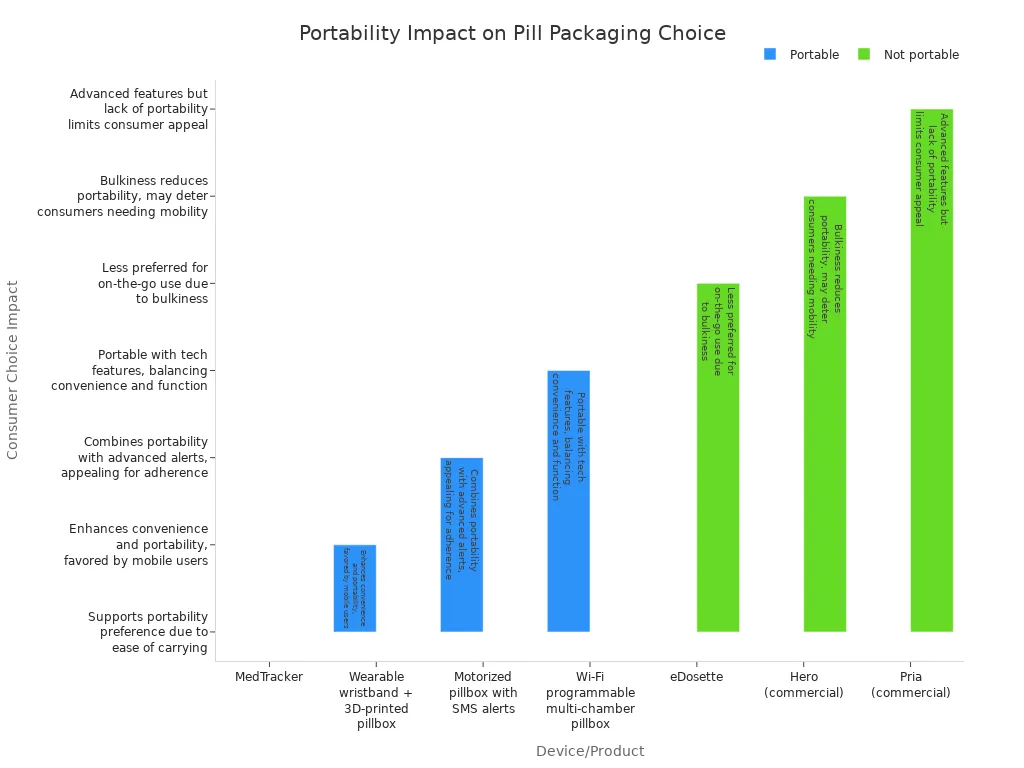
This chart shows that consumers value portability highly, even when advanced features are available. Portable packaging supports adherence and convenience for people on the move.
Benefits
For Consumers
Consumers experience many advantages when using Pill Packaging Boxes.
Organized and user-friendly storage improves medication adherence, especially for elderly individuals and those with chronic diseases.
Smart pill boxes offer reminders and tracking, helping users manage their health more effectively.
Fewer medication errors lead to better patient outcomes.
Personalization options, such as size, color, and compartment customization, meet specific needs, including those with visual or motor impairments.
Eco-friendly materials appeal to people who care about the environment.
Expanded distribution channels, including e-commerce, make these products more accessible and convenient.
Note: Personalization and smart features support independence and safety for many users.
For Healthcare Providers
Healthcare providers benefit from improved workflow efficiency. Prepackaged medication dispensing streamlines drug administration and reduces waste. Barcoding and labeling systems increase accuracy, making medication management easier for patients with complex regimens. Automated pouch packaging systems sort and dose medications into single-use pouches, reducing manual labor and human error. Nurses and caregivers can spend more time on patient care and less on sorting pills. Centralized fulfillment strategies use automation and robotics to optimize space and speed up prescription preparation. These improvements allow providers to focus on counseling, therapy monitoring, and vaccinations.
For Manufacturers
Manufacturers achieve significant cost savings by using advanced packaging solutions. Automated systems reduce labor needs and human error, resulting in fewer product rejects and less rework. Faster production cycles and precise dosing increase efficiency and output. High-quality materials extend shelf life and minimize spoilage. Robust packaging designs lower damage rates during transportation, reducing returns and associated costs. Simplified operation decreases training time, and automation supports regulatory compliance and hygiene. These factors help manufacturers streamline operations and boost profitability.
Manufacturer Benefit | Description |
|---|---|
Automation minimizes workforce needs | |
Error Reduction | High-precision machinery lowers product rejects |
Shelf Life Extension | Quality materials reduce spoilage |
Damage Minimization | Robust design protects during transport |
Faster Production | Efficient cycles and less waste |
Customization
Branding
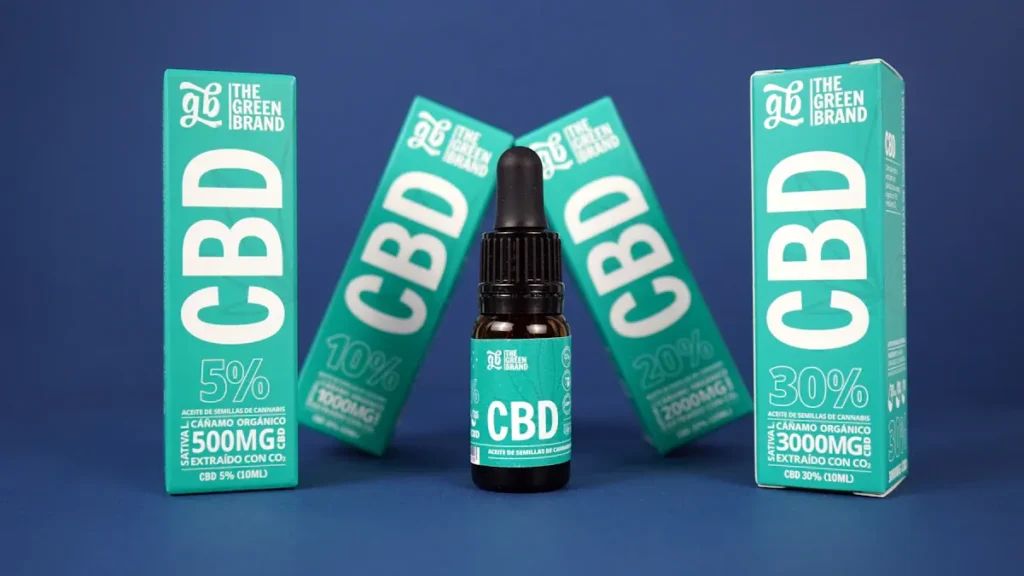
Branding plays a major role in how consumers view Pill Packaging Boxes. Companies use packaging design to influence purchasing decisions. A visually appealing box can make a product stand out on the shelf. Many consumers feel confident about product quality when they see professional packaging. Clear labeling of dosage, side effects, and expiry dates helps build trust and keeps users safe. Consistent use of colors, logos, and typography makes brands easy to recognize. Some brands add unique shapes, vibrant colors, QR codes, or augmented reality features to connect with customers. Sustainable and personalized packaging attracts buyers who care about the environment. Packaging acts as a marketing tool that communicates brand values and builds relationships.
Professional and clear packaging builds trust.
Consistent branding increases recognition.
Innovative features create stronger connections.
Sustainable packaging appeals to eco-conscious buyers.
Tip: Brands that use consistent packaging, like Coca-Cola’s red or Apple’s logo, create instant recognition and trust.
Size & Material
Manufacturers offer Pill Packaging Boxes in many sizes and materials to meet different needs. The market uses materials such as plastic, glass, aluminum, and paper to protect and preserve medications. Paperboard options include SBS C1S, SBS C2S, CCNB, kraft, and metallic or holographic papers. Printing methods like offset, digital, and UV print allow for detailed graphics and instructions. Finishing options include coatings, lamination, and varnish for durability and appearance. Companies can add features like foil stamping, embossing, and window patching. Eco-friendly choices use FSC® certified and recyclable paperboard. Inserts made from paperboard or plastic help organize pills inside the box.
Feature Category | Details |
|---|---|
Size Availability | Wide range of sizes |
Materials | SBS C1S, SBS C2S, CCNB, Kraft, Metallic Paper, Holographic Paper, etc. |
Printing Methods | Offset Print, Digital Print, UV Print |
Finishing Options | Coating, Lamination, Varnish, Soft Touch |
Additional Options | Foil Stamping, Embossing, Window Patching |
Add-ons | Paperboard and plastic inserts |
Eco-friendly Features | FSC® certified and recyclable paperboard |
Note: Choosing the right size and material helps ensure medication safety, brand appeal, and environmental responsibility.
Choosing Pill Packaging Boxes
User Needs
Selecting the right pill packaging starts with understanding the user’s medication routine and physical abilities. People who take multiple medications each day need boxes with clear compartments and labels. Elderly individuals or those with limited hand strength benefit from easy-open lids, larger fonts, and simple mechanisms like flip-tops or push-buttons. Some users prefer single pill organizers for one-handed access, while others need organizers with color-coded sections for morning, afternoon, evening, and bedtime doses.
Healthcare providers often recommend packaging that matches the patient’s lifestyle. For example, travelers may choose compact, portable boxes. Patients with chronic conditions may need smart pill organizers with alarms and reminders. Consulting pharmacists helps users find adaptive devices and accessible organizers. Organizing medications by time of day and storing boxes in a cool, dry place supports safety and adherence.
Tip: People with physical limitations can ask a helper to fill their organizer or consult a pharmacist for adaptive solutions.
Packaging should include legal and usage information such as administration route, batch numbers, storage conditions, expiry dates, and manufacturer details.
Features like dosing calendars, unit-dose blister packs, and clear labeling improve compliance.
Barrier protection against moisture, light, and temperature keeps medication safe.
Child-resistant closures and tamper-evident seals protect families.
Packaging must align with healthcare workflows for safety and adherence.
Comparing Options
People can choose from many types of Pill Packaging Boxes, each with unique benefits. Blister packs separate doses and show tamper evidence. Strip pouches organize pills by date and time, making them easy to track. Bottles and vials work well for bulk medications but may not support daily organization. Compliance packaging helps independent patients manage their own routines, while unit dose packaging suits healthcare facilities.
When comparing options, users should consider the number of pills taken daily and the size of compartments. Special features like sliding mechanisms, locks, and labels improve usability and security. Accessibility matters for those with dexterity challenges. Portability is important for people who travel or have busy schedules. Checking customer reviews and product descriptions helps ensure reliability.
Packaging Type | Best For | Key Features | Accessibility Level |
|---|---|---|---|
Blister Packs | Daily dose tracking | Tamper-evident, moisture barrier | Moderate |
Strip Pouches | Organized multi-dose schedules | Clear labeling, portable | High |
Bottles/Vials | Bulk storage | Easy to fill, less organization | Variable |
Compliance Packs | Independent patients | Dosing calendars, color coding | High |
Smart Organizers | Tech-savvy users | Reminders, alarms, connectivity | High |
Note: People should balance price and quality by choosing organizers made from durable materials and functional designs.
Cost & Sustainability
Cost and sustainability play a major role in choosing pill packaging. Companies analyze materials, labor, and transportation costs before selecting packaging. Sustainable options like biodegradable paper, plant-based plastics, and mushroom packaging often cost more than traditional plastics. However, these materials reduce waste and offer long-term savings through resource efficiency.
Governments now ban many plastics, and pharmaceutical companies respond by offering eco-friendly packaging. Consumers prefer recyclable materials and transparent labeling. About 84% of buyers avoid brands with poor environmental practices, and 70% value sustainability highly. This demand encourages companies to invest in sustainable packaging, even with higher initial costs.
Packaging Material | Environmental Impact | Decomposition Time | Recycling Challenges |
|---|---|---|---|
Paper Packaging | Biodegradable, recyclable, low footprint | Easily recyclable | |
Plastic Packaging | Long-lasting pollutant, landfill risk | 100 to 500 years | Energy-intensive recycling |
Blister Packs | Difficult to recycle, contamination risk | Up to 500 years | Mixed materials |
Sustainable packaging solutions include refillable containers, minimalist designs, and concentrated formulas. Companies balance cost-effectiveness with environmental responsibility to stay competitive and compliant. Custom and eco-friendly Pill Packaging Boxes meet specific needs and support global sustainability goals.
Pill Packaging Boxes play a vital role in medication management. Studies show that patients using these boxes miss fewer doses, take medicine on time, and feel more independent.
76% improved timeliness
76% felt more independent
Choosing the right packaging boosts safety, confidence, and satisfaction. People should assess their needs and explore available options for better health outcomes.