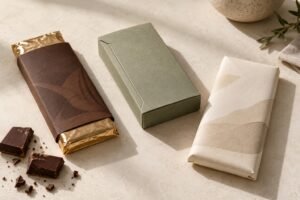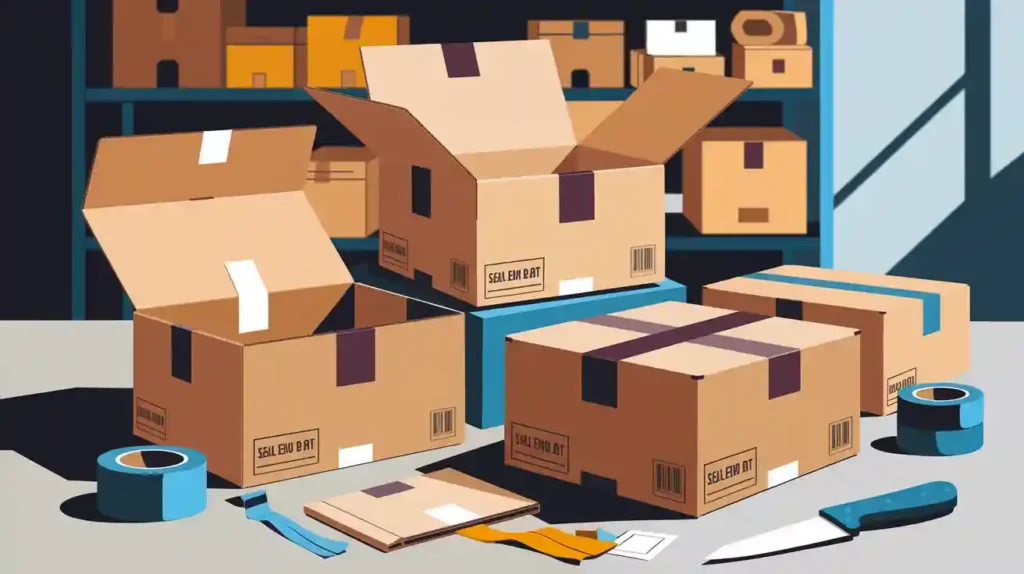
A seal-end box is a folding-carton structure with one or both ends closed by adhesive during packing. It is commonly used for food, cosmetics, healthcare and retail products when buyers need a clean rectangular format, efficient line packing and stronger closure than a simple tuck end. Seal-end cartons are not automatically tamper-evident; that claim depends on the complete closure and opening design.
This guide explains paperboard selection, end-seal geometry, machine-packing considerations and quotation details for custom seal-end boxes. YiHongBox supplies printed cartons from MOQ 1,000, with dielines, samples and DDP delivery available.
Key Takeaways
Seal end boxes provide strong protection and secure closure to keep products safe from damage, dust, and tampering during shipping and storage.
Their tamper-evident design shows clear signs if opened without permission, helping industries maintain product safety and consumer trust.
The flat-collapsible design saves space and supports fast, automated packaging, improving efficiency and reducing costs for businesses.
What Is a Seal End Box
Structure
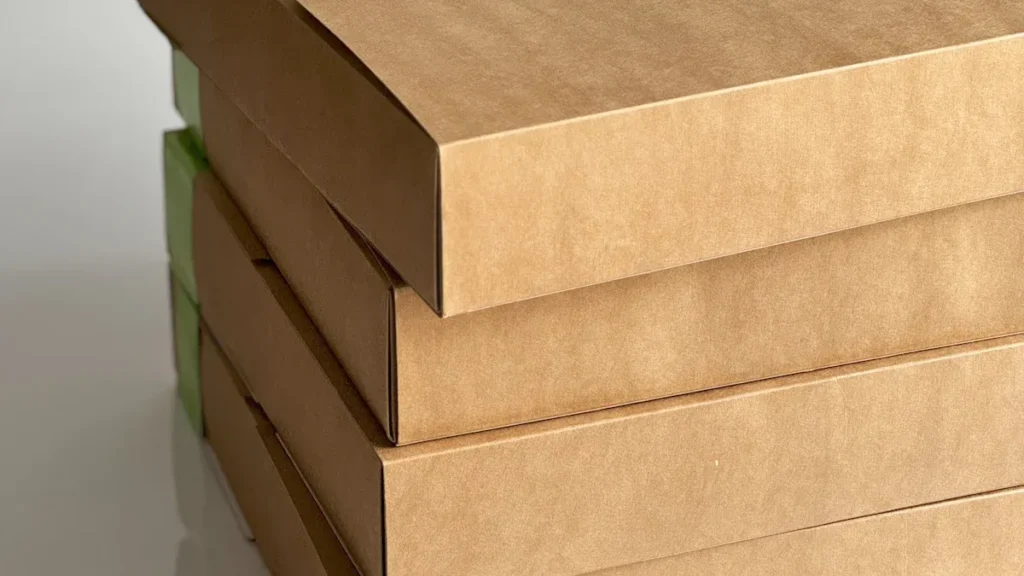
A seal end box stands out in the packaging industry for its robust construction and secure closure. Manufacturers design these boxes with one end sealed using sticky tape or adhesive, while the other end features dust flaps and a non-removable lid. This structure provides both safety and durability, making the box suitable for heavy or delicate products. The box often includes pre-glued flaps, double overlapping panels, and dust flaps. These features work together to create a strong seal for box contents, preventing accidental openings and protecting items from dust and moisture.
The choice of material plays a key role in the box’s performance. Common materials include Kraft paper, cardboard, and corrugated cardboard. Each material offers unique benefits for different industries and product types. The table below highlights the main materials used for seal end boxes:
Material | Structure/Composition | Thickness Range | Durability Features | Common Uses |
|---|---|---|---|---|
Kraft Paper | Made from wood pulp | Tear-resistant, strong, porous | Food, health, retail, heavy items | |
Cardboard | Wood fibers | Stable, smooth for printing, versatile | General packaging, branding | |
Corrugated Cardboard | Fluted structure | 32pt to 48pt | Cushioning, strong, protects fragile items | Electronics, heavy-duty, fragile |
These materials not only ensure the durability of the box but also support eco-friendly packaging solutions. The structure of a seal end box allows it to collapse flat, which saves space during shipping and storage. When needed, the box can be quickly assembled and sealed, making it a practical choice for many industries.
Seal for Box
The seal for box design is a critical feature that ensures product safety and tamper resistance. Pre-glued flaps and double overlapping panels provide a secure closure, eliminating the need for external adhesives. This design prevents the box from opening unexpectedly during shipping or handling. Dust flaps slide underneath the overlapping panels, adding another layer of protection and keeping the contents safe from contamination.
Some seal for box mechanisms include advanced tamper-evident features. For example, certain seals use special materials or designs, such as void labels or barcoded plastic seals, that change appearance if tampered with. These features make unauthorized access easy to detect and deter tampering attempts. Security seals act as locking mechanisms, showing visible signs if someone tries to open the box without permission. This approach guards against theft and contamination, ensuring the integrity of the product during transit.
Industry standards for tamper resistance require packaging to provide clear evidence of tampering. Many industries, such as pharmaceuticals, food, and electronics, rely on tamper-evident seals to protect products and maintain consumer trust. The seal for box design meets these standards by making it impossible to open the box without leaving visible damage.
Assembly
Seal-end carton specification checklist. Provide the product dimensions and weight, board caliper, fill direction, line speed, glue type, compression load and required opening experience. For automated cartoning, the supplier also needs the machine’s blank-size limits, score direction, glue-flap position and acceptable dimensional tolerances. A production-line trial is recommended before a large run because a carton that works manually may not erect, fill or seal consistently at speed.
Compare paper folding boxes, packaging sleeves, window cartons and custom paper boxes with the same product and line requirements. GS1 barcode standards support retail-code planning, ISTA test procedures support distribution testing, and FSC chain-of-custody can substantiate certified-fiber claims. Send the product and filling-line brief for a sample and DDP quotation from MOQ 1,000.
Case erectors select and assemble boxes from flat blanks.
Products are packed into the erected boxes.
Partition inserters may add dividers to protect items during transport.
Case sealers close and secure the boxes using tape or hot melt glue.
This process ensures speed, accuracy, and product safety. After use, the box can be flattened again for easy storage or recycling. The efficient assembly and strong seal for box design make seal end boxes ideal for high-speed packaging environments.
Tip: The flat-collapsible design not only saves space but also reduces shipping costs and improves warehouse organization.
Benefits
Protection
Seal end boxes offer outstanding protection for a wide range of products. Their sturdy construction and secure closure keep items safe from damage during shipping, handling, and storage. Many industries rely on these boxes to safeguard delicate or high-value goods. For example, jewelry, ornaments, and personalized lunch boxes benefit from tear-open features that combine security with easy access. The rigid materials used in these boxes resist tearing and scuffing, while the double overlapping panels and dust flaps shield contents from dust and moisture.
Benefits from Seal End Boxes | |
|---|---|
Luxury goods | Secure, durable, tamper-evident packaging |
Jewelry | Protection and elegant presentation |
Fashion accessories | Secure packaging and professional presentation |
Cosmetics | Secure packaging, tamper-evident |
Food items | Safe shipping and handling |
Small electronics | Protection during shipping and retail display |
Promotional products | Secure packaging for giveaways and special editions |
Fragile or high-value e-commerce items | Protection during shipping and handling |
Seal end boxes also enhance the unboxing experience for customers. The design ensures that products arrive in perfect condition, which builds trust and satisfaction.
Note: Seal end boxes made from eco-friendly materials like kraft paper and molded pulp are biodegradable and recyclable. These options help reduce pollution and waste, supporting sustainability goals.
Tamper Resistance
Tamper resistance stands as a key advantage of seal end boxes. The strong adhesive glue bonds the flaps tightly, making unauthorized opening difficult. If someone tries to open the box without permission, the cardboard tears, leaving clear evidence of tampering. This feature protects products from theft and contamination.
Tamper-evident tape seals leave visible marks if removed.
Perforated cardboard seals require breaking a tear strip, making resealing impossible.
The seal for box design integrates tamper evidence into the box structure, unlike other packaging that uses extra components like shrink bands or label seals.
Seal end boxes provide a reliable solution for industries that demand high security, such as pharmaceuticals, electronics, and food. The tamper-evident features help maintain product integrity and consumer confidence.
Efficiency
Seal end boxes improve efficiency in packaging operations. Their flat-collapsible design saves space during shipping and storage. Automated packaging systems can quickly assemble and seal these boxes, increasing speed and throughput. This automation reduces errors, product damage, and labor costs.
Automated sealers tape boxes faster than manual methods, boosting productivity.
Consistent, high-quality seals lower the risk of product damage and returns.
Automation reduces repetitive tasks, freeing workers for higher-value activities.
Machines operate with minimal downtime, supporting smooth production lines.
Implementing automated sealing equipment can save thousands of dollars annually in labor costs. For businesses filling hundreds of cases daily, automation offers a fast return on investment and supports growth.
Customization
Customization options for seal end boxes support branding and marketing efforts. Companies can choose from a wide range of materials, sizes, shapes, and printing methods. Offset, digital, and silkscreen printing allow for vibrant logos, graphics, and promotional messages. Finishing techniques such as embossing, foil stamping, and lamination enhance visual appeal and tactile experience.
Customization Aspect | Details |
|---|---|
Sizes & Shapes | |
Materials | Eco-friendly Kraft, corrugated, cardstock |
Printing Options | CMYK, PMS colors, full artwork |
Finishing Techniques | Gloss/matte lamination, embossing, foiling, spot UV |
Branding Elements | Custom graphics, logos, promotional messages |
Security & Durability | Tamper-evident seal, strong glue adhesion |
Proofing & Samples | 3D mock-ups, physical samples available |
Tip: Eco-friendly materials and sustainable printing practices make customized seal end boxes a responsible choice for brands that value environmental stewardship.
Seal end boxes not only protect and secure products but also serve as a powerful tool for brand recognition and customer engagement.
Uses
Industries
Seal end boxes play a vital role in several industries. Companies in retail, food, and health sectors often choose these boxes for their packaging needs. Kraft paper seal end boxes stand out because they resist tearing and allow air flow, which suits products like cereals and frozen foods. Health product manufacturers value the tamper-proof design, which keeps items safe and secure. These boxes also help brands promote their identity through custom printing and finishing. Many businesses prefer them because they are recyclable and use safe inks, supporting sustainability goals.
Retail
Food (cereals, frozen foods)
Health (pharmaceuticals, supplements)
Note: The durability of seal end boxes reduces product damage and increases customer satisfaction.
Products
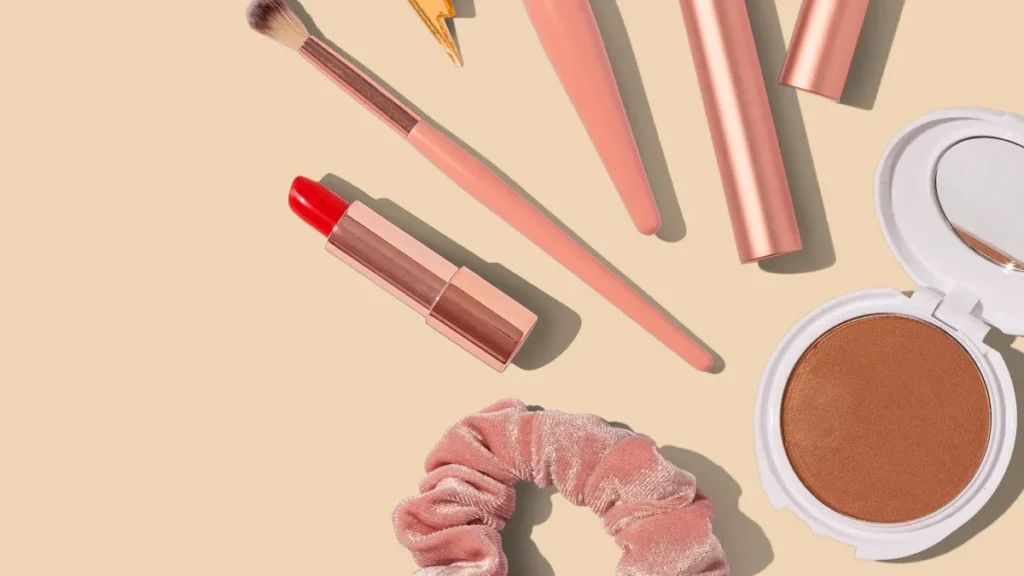
Manufacturers use seal end boxes for a wide range of products. These include cardboard and kraft boxes for retail, cosmetic packaging, and food containers. Cosmetic brands package items like beard oil, creams, and eyeshadow in these boxes. Health and wellness companies use them for supplements, face masks, and hand sanitizers. Gift and vape products also benefit from the secure and customizable design. Food packaging, such as coffee, French fries, and burgers, often relies on these boxes for freshness and safety.
Bath & body boxes (soap, cream)
CBD and pharmaceutical boxes (capsules, masks, gloves)
Gift and retail boxes (holiday, gable, vintage)
Food packaging (coffee, fries, burgers)
Comparison
Seal end boxes offer higher security than tuck end boxes. The adhesive seal creates tamper-evident packaging, which protects sensitive products during shipping and storage. Automated packaging lines can quickly seal these boxes, improving efficiency. Tuck end boxes, on the other hand, focus on quick assembly and versatility. They suit products that need fast packing but not maximum security. Both types allow for branding and customization, but seal end boxes stand out for their tamper resistance and durability.
Feature | Seal End Box | Tuck End Box |
|---|---|---|
Security | Tamper-evident, adhesive seal | Quick assembly, less secure |
Efficiency | Automated sealing, durable | Fast manual assembly |
Customization | High | High |
Best Use | Sensitive, high-value items | Versatile, general products |
Tip: Choose seal end boxes for products that require extra protection and tamper resistance.
Seal end boxes deliver strong protection, tamper resistance, and eco-friendly materials.
Custom printing and durable construction support branding and product safety.
Their recyclable design meets modern sustainability demands.
As packaging trends evolve, businesses can expect continued growth and innovation in secure, sustainable solutions like seal end boxes.