Custom Advent Calendar Packaging for Brands and Buyers
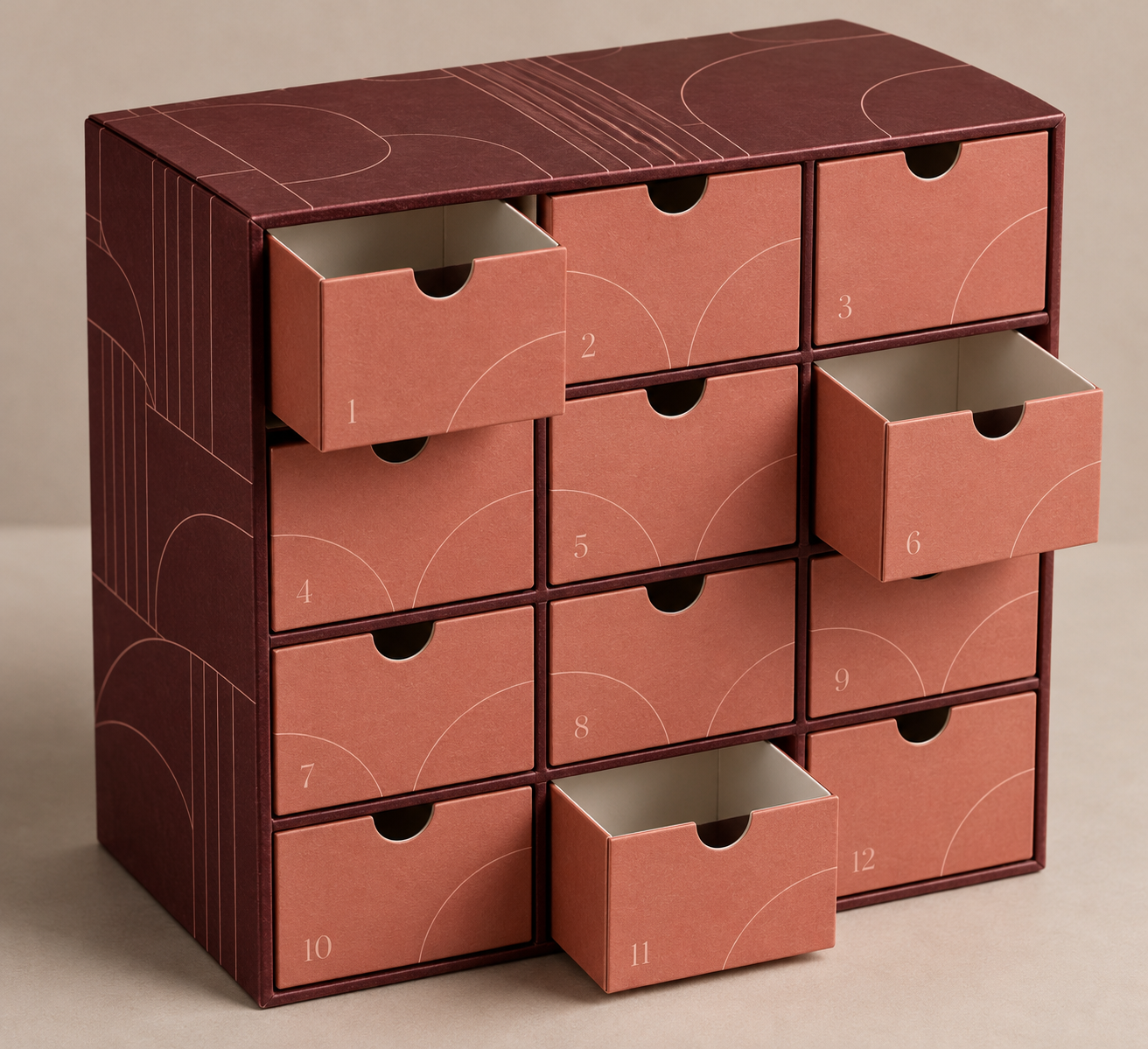
YiHongBox manufactures made-to-order paperboard advent calendar boxes in China for product launches, gift programs and seasonal retail assortments. Choose 12 or 24 compartments, or ask us to assess another count. We can develop numbered perforated doors, a bank of pull-out drawers or a book-style calendar with a fitted insert. The right construction depends on what goes inside and how your team will fill, pack and ship it.
Our standard production MOQ is 1,000 calendars per size and printed design. Structural and artwork-placement guidance is free. Physical samples are charged. A sample typically takes about 7 days once the specification is settled; bulk production typically takes about 30 days after final sample and artwork approval. Allow additional time for complex construction, multiple designs and international transport. DDP can be quoted to eligible US, Canadian and Australian destinations after we receive the delivery address and full specification.
Choose a Structure That Matches the Fill
The same day count can produce very different packaging. Before choosing from a photograph, compare how each construction holds the items, how it is assembled and what your packing line must do.
| Construction | Useful when | Physical-sample check |
|---|---|---|
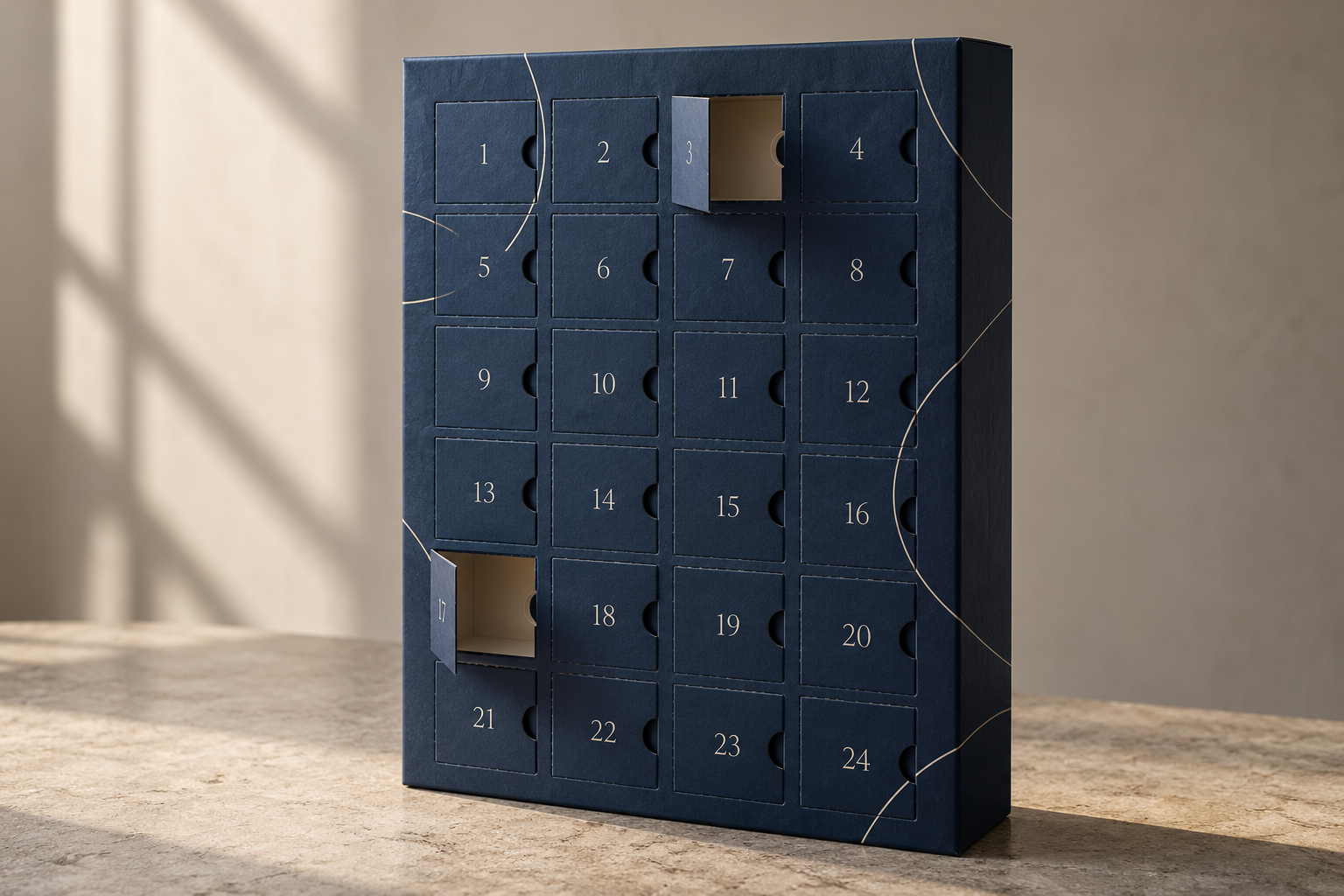
| Perforated-door calendar | You want a flat front face with a familiar open-a-door countdown experience. | Door opening force, hinge strength, clean tear, access to each item and compartment retention. |
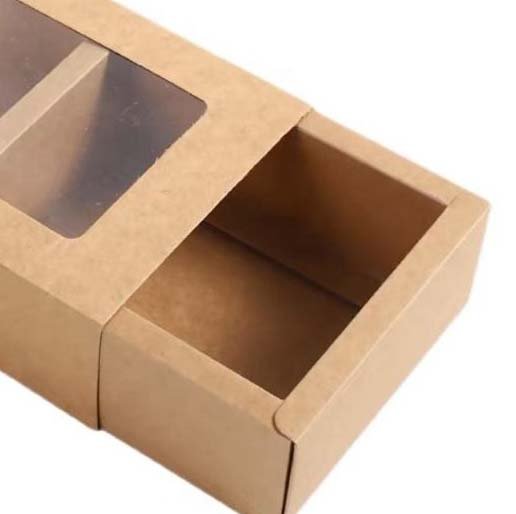
| Rigid drawer calendar | You want reusable, tactile presentation and items that can be lifted out individually. | Drawer slide, stop/retention, loaded weight, finger access and alignment after transport. |
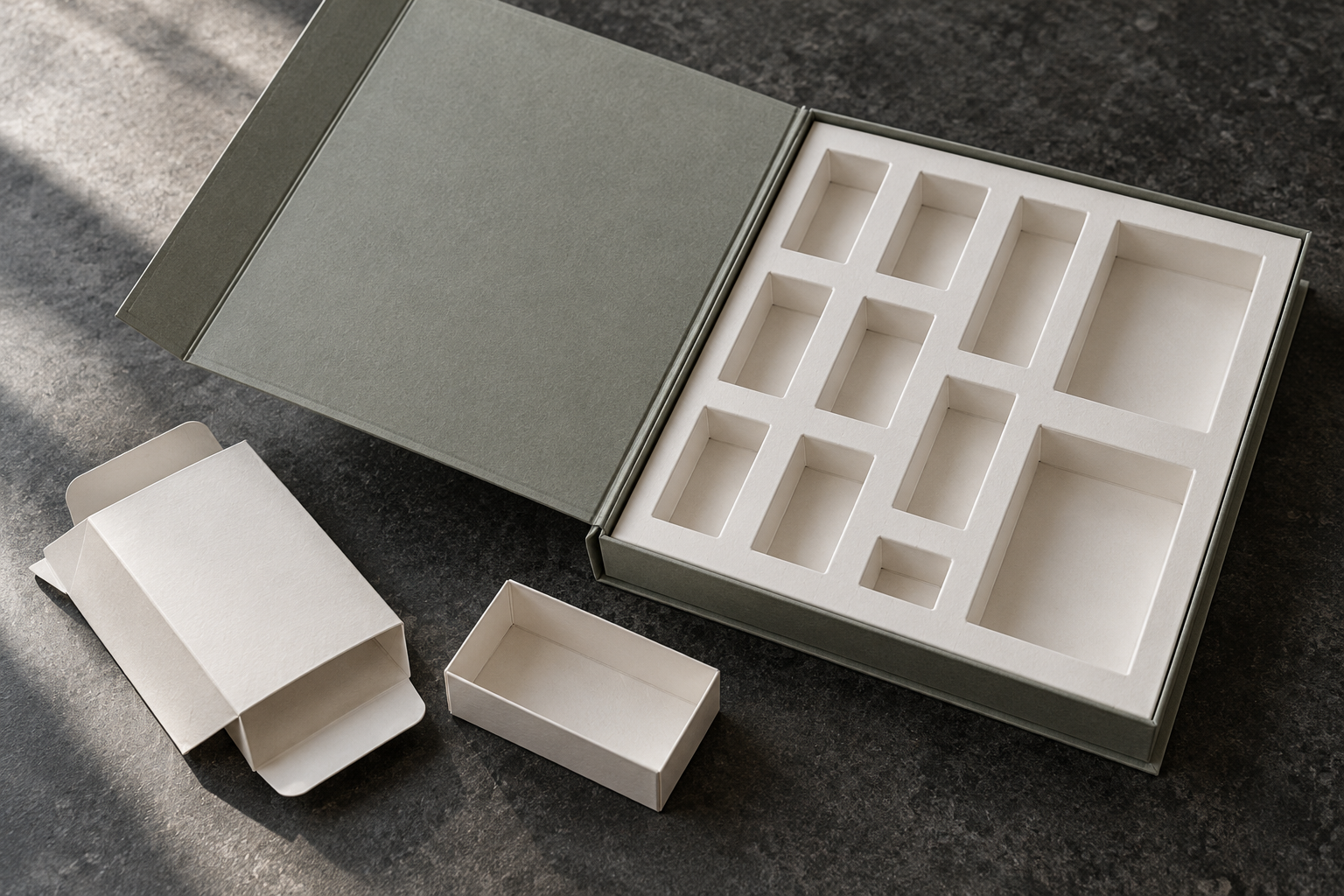
| Book-style case with insert | You need a large printable cover and varying cavity sizes for mixed assortments. | Closure, insert fit, lid clearance, item movement and pack-out sequence. |
For related components, compare our custom rigid drawer boxes, fitted box inserts and folding cartons. Those pages cover the underlying structures; this page addresses the multi-compartment countdown pack as a complete product.
Map the Contents Before We Draw the Dieline
A list of products by name is not enough to size the cavities. For each numbered day, provide the maximum packed length, width, depth and weight of the item as it will actually be inserted. Include retail wrappers, seals, caps, protective sleeves or folded instructions. Mark any item that must stay upright or needs extra finger clearance. If several days use different items, a day-by-day matrix prevents an attractive but unusable uniform grid.
We then assess cavity clearances, dividers, board strength and how to keep products in place. A dense glass mini-bottle and a light sachet should not be treated as equivalent even if their visible fronts are similar. When the calendar is intended for confectionery or tea, the pictured paperboard pack should be treated as secondary packaging for separately sealed items; do not assume it is suitable for direct food contact. If direct contact is required, specify the use and destination market so materials and documentation can be reviewed separately. The US FDA explains why intended use matters for food-contact substances.
Artwork, Materials and Finishes
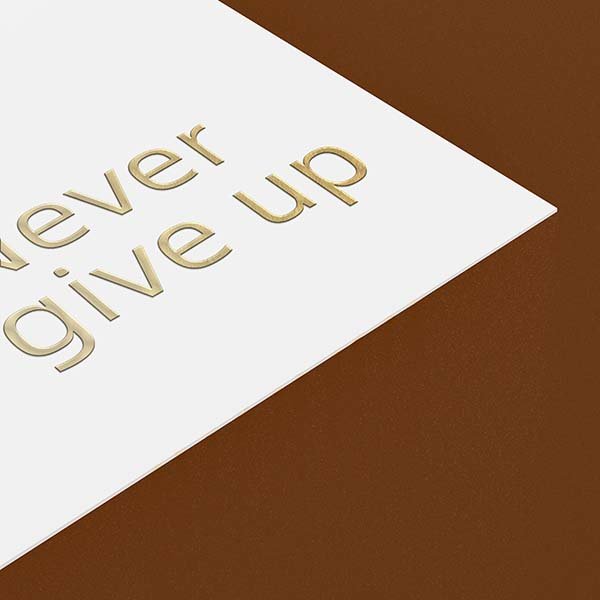
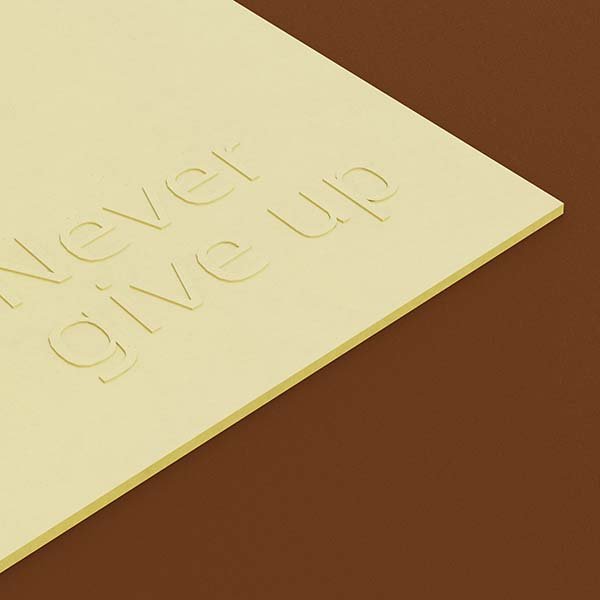
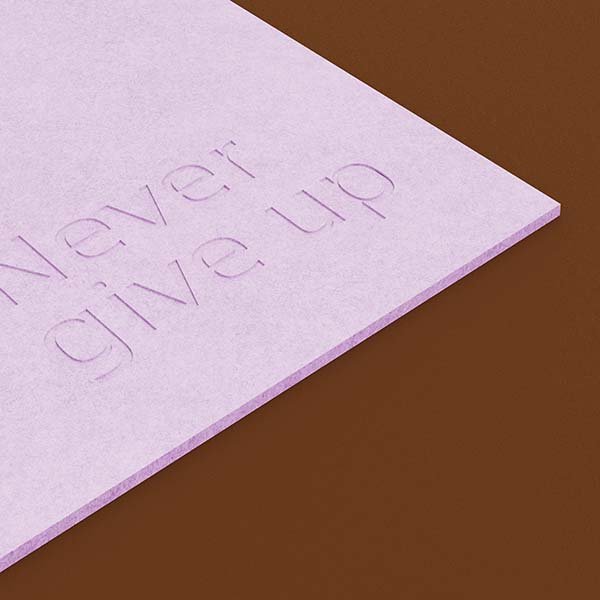
We can discuss printed folding board, wrapped rigid board and paperboard inserts according to the chosen structure. Matte or gloss surface treatments, foil accents, embossing and other finishes may be assessed against the final board, dieline and quantity. Artwork should reserve space for numbering, door cuts, glue zones, score lines, barcodes and legally required copy. A visually striking numeral system is useful only if customers can find the intended day and the numbering survives trimming and folding.
Tell us whether all calendars share one design or whether you need several seasonal artworks. The MOQ applies per size and printed design unless the quote expressly states otherwise. If recycled-content, sourcing or recyclability claims are part of your campaign, define the exact claim and destination market before approving print; eligibility depends on the selected materials and local collection systems, not the appearance of the box.
Test the Filled Experience, Not Just an Empty Box
Use the paid physical sample with your actual wrapped items and intended packing method. Check that every compartment accepts its assigned item without crushing it; that doors open cleanly or drawers pull smoothly; that products remain in their correct day during handling; and that a person can retrieve an item without tearing adjacent compartments. Ask your pack-out team to repeat the planned sequence, including any inserts or retaining layers, before approving bulk production.
Confirm whether the calendar will ship assembled and filled, assembled but empty, or flat where the construction allows it. That choice changes case count, protection and freight volume. If a branded transit pack is required, explore our seasonal mailer boxes; a presentation calendar alone should not be assumed to replace protective shipping packaging. For larger coordinated gifting programs, see our custom corporate gift boxes.
Plan Backward From the In-Hand Date
Seasonal packaging needs more than a factory production date. Work backward from your warehouse receipt or campaign launch: allow time for specification and artwork approval, a charged physical sample (typically about 7 days after specifications are agreed), loaded sample testing and revisions, then bulk production (typically about 30 days after final approval), quality release and freight. These are typical production stages, not a guaranteed delivery date. We confirm the project schedule and delivery terms in writing after reviewing the structure and destination.
If you request DDP, include the exact named destination, ZIP/postal code and any unloading or receiving requirements in the RFQ. DDP scope must be agreed in the quote and contract; the International Chamber of Commerce explains the Incoterms rules that define delivery responsibilities.
What to Send for a Useful Quote
- Calendar format: 12, 24 or another day count; doors, drawers or a book-style layout; target outer dimensions if known.
- Day-by-day contents: a matrix with each item’s fully packed dimensions, weight, orientation and any fragility or separation need.
- Art and variants: draft artwork, color references, numbered sequence, number of printed versions and quantity for each.
- Filling plan: who fills the calendar, whether it must arrive flat or assembled, and whether it will ship to consumers in another outer pack.
- Order and delivery: quantity (standard MOQ 1,000 per size/design), destination ZIP/postal code, requested DDP scope and target in-hand date.
Frequently Asked Questions
Can you make 12-day and 24-day custom advent calendars?
Yes, we can develop 12- or 24-compartment concepts and assess other counts. The exact construction, cavity sizes and opening mechanism are confirmed against your contents and physical sample.
Are all compartments required to be the same size?
No. Mixed-size compartments can be considered when you provide a day-by-day list of the packed products. The final layout must be checked for board strength, accessible openings and stable packing.
Which is better, numbered doors or drawers?
Doors are useful for a flatter display face and a traditional reveal. Drawers offer a different tactile experience and can make larger items easier to retrieve. The right choice depends on item size, weight, budget, assembly and shipping format; we recommend sampling the shortlisted structure.
What is the minimum order quantity?
Our standard production MOQ is 1,000 units per size and printed design. Give us quantities for each artwork or product version so the quote reflects your real assortment.
Is design free, and are physical samples free?
Structural and artwork-placement guidance is free. Physical samples are charged because they require materials and setup. We confirm the sample charge before production.
How long do sample and bulk production take?
A physical sample typically takes about 7 days after the specification is settled. Bulk production typically takes about 30 days after final sample and artwork approval. Complex structures, revisions, multiple variants and freight affect the overall schedule; request a dated project plan.
Can you ship DDP to the United States, Canada or Australia?
We can assess DDP for eligible destinations in those markets. Please provide the full destination and order specification so the quote can define transport, duties, taxes and the named delivery place.
Can unwrapped candy or tea touch the paperboard compartments?
Do not assume the illustrated printed paperboard construction is approved for direct food contact. This page describes secondary packaging for separately sealed items. Direct-contact materials require project-specific assessment for the intended food, use and destination market.
Are the images real customer orders?
No. The images are original illustrative product concepts, not customer projects or approved production samples. Your final result follows the confirmed dieline, materials, artwork and physical sample.
Start With the Product Matrix
Send us your day count, packed item dimensions, preferred opening style, quantity per artwork and destination. We can turn that information into a sample-ready direction and a tailored quotation.
Request an advent calendar box quote | Email the packaging team | Discuss on WhatsApp