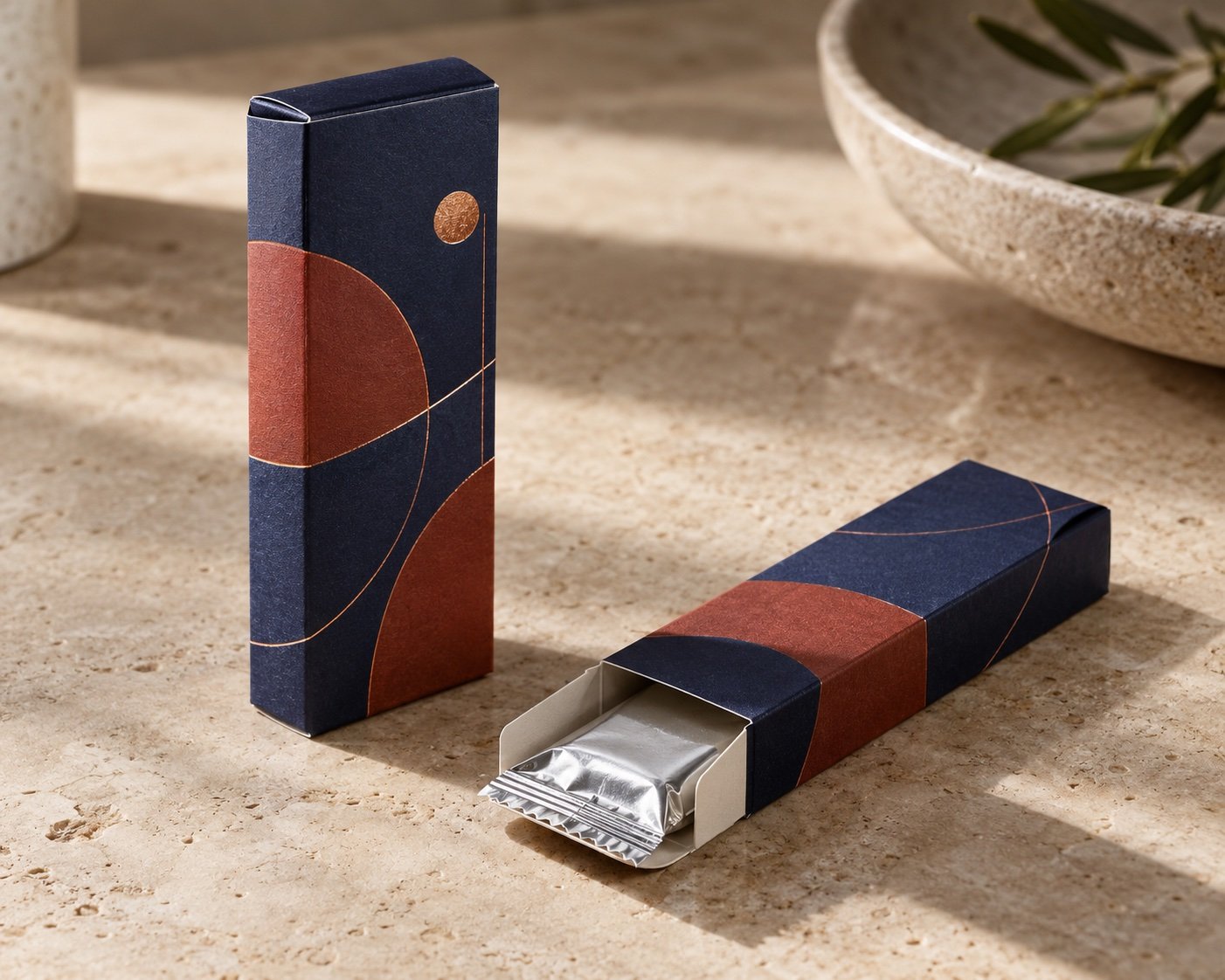
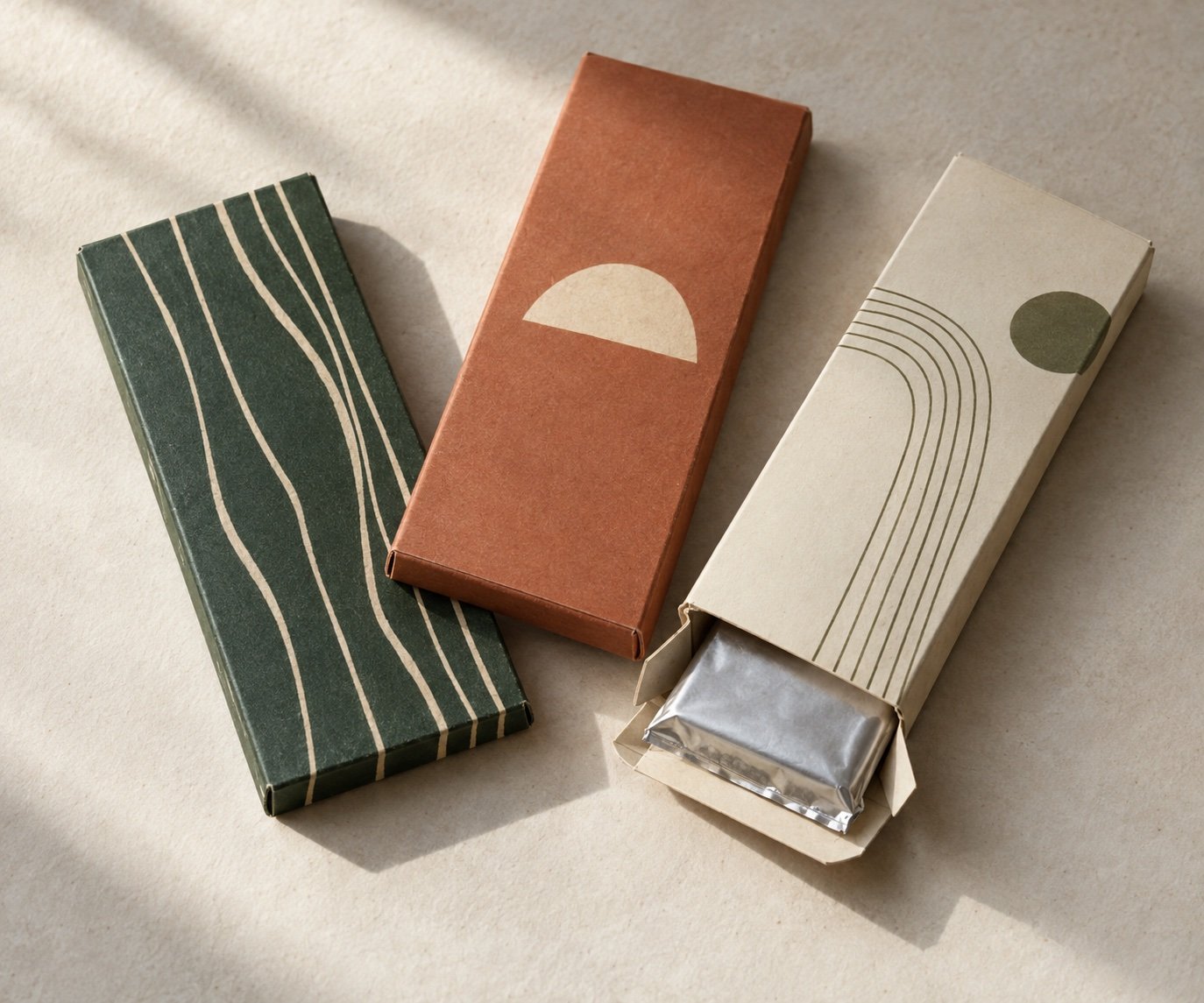
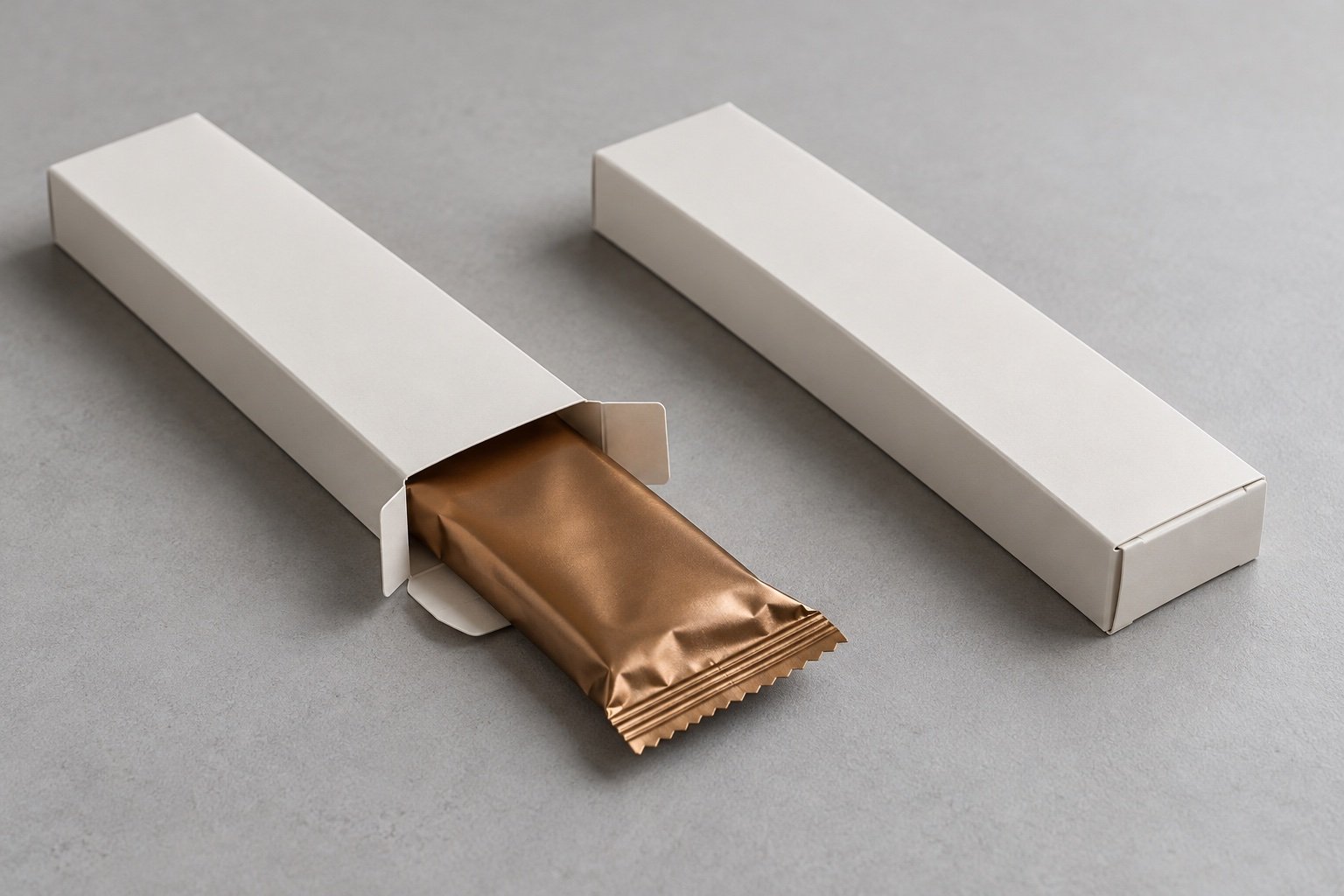
A printed outer pack engineered for the bar you actually sell.
Custom Chocolate Bar Boxes for Retail Brands and Packaging Buyers
YiHongBox manufactures custom paperboard packaging in China for one individually sealed chocolate bar. Choose a folding carton when you need an enclosed, printable retail pack, or a paperboard sleeve when the inner wrapper already provides a finished, secure primary pack. We develop the structure around your wrapped product, artwork, order quantity and destination rather than assuming that every “100 g bar” has the same size.
Standard production starts at 1,000 units per size and printed design. Structural and artwork-placement guidance is free; a physical sample is charged. Sampling typically takes about 7 days after specifications are settled. Bulk production typically takes about 30 days after final sample and artwork approval. We can assess DDP delivery for US, Canadian and Australian destinations in a written quote.
Folding Carton or Sleeve: Which Structure Fits?
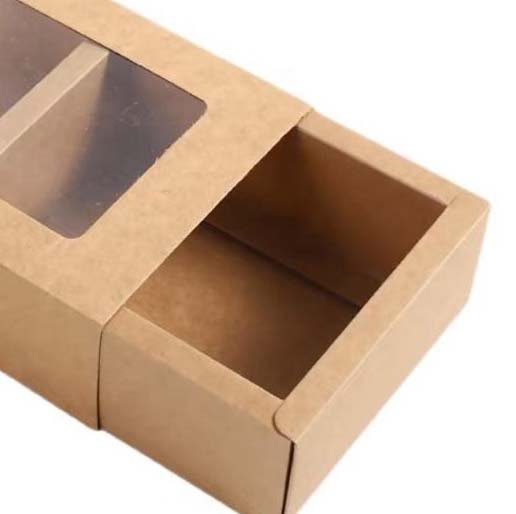
Both structures are custom-sized and shipped flat before your packing operation. The choice depends on how much of the inner wrapper you want to show, what information must appear on the outer pack, and how the bars are displayed and handled. A sleeve is not a substitute for a primary wrapper or a shipping carton.
| Option | Useful when | Confirm in the sample |
|---|---|---|
| Printed folding carton | You want a complete outer retail face and end panels for product information. | Bar insertion, flap closure, crimped-end clearance and how well the packed carton holds its shape. |
| Printed paperboard sleeve | The sealed primary wrapper is attractive and secure, and you want a lighter printed band or wrap. | Sleeve grip, wrapper visibility, sliding during handling and space for required copy. |
For a broader look at the trade-offs, read our guide to chocolate bar sleeves and cartons. If you have already chosen a structure, see our custom folding cartons or printed packaging sleeves.
Measure the Sealed Bar, Not Just the Chocolate
The bar’s weight or mold dimensions do not tell us the size of the packed product. Foil or film seals can extend past the bar and may vary at the crimped ends. For a dependable dieline, measure the maximum outside length, width and thickness of the fully wrapped bar, including seals and any label applied over the wrapper. Send a physical wrapped bar when possible, especially if the seal is bulky or the product must run through an automated packing line.
We use those measurements to propose internal clearance, board grade and closing style. Too tight a carton can rub or crush the wrapper; too much clearance can make the pack look poorly fitted. Evaluate the paid physical sample with the actual wrapped bar and your intended packing method before approving production. The finished pack should be checked for practical insertion, neat closures and a consistent shelf-facing silhouette.
Paperboard, Print and Finish Options
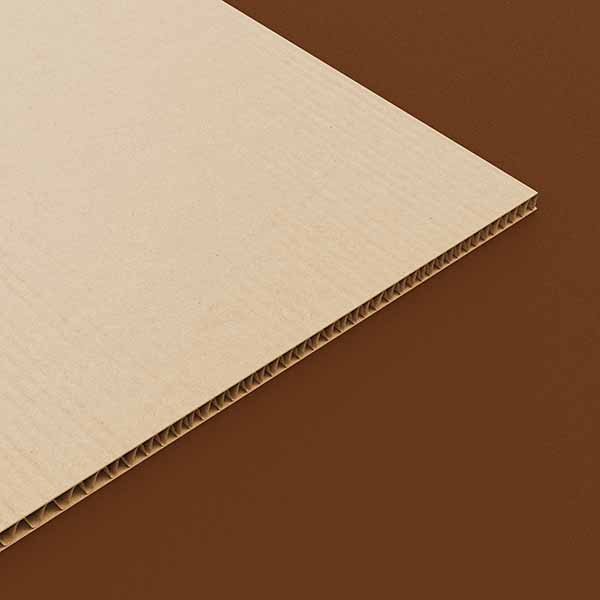
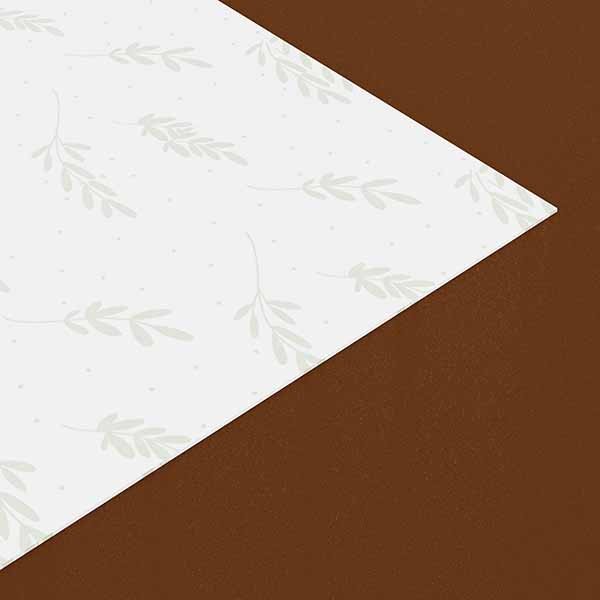
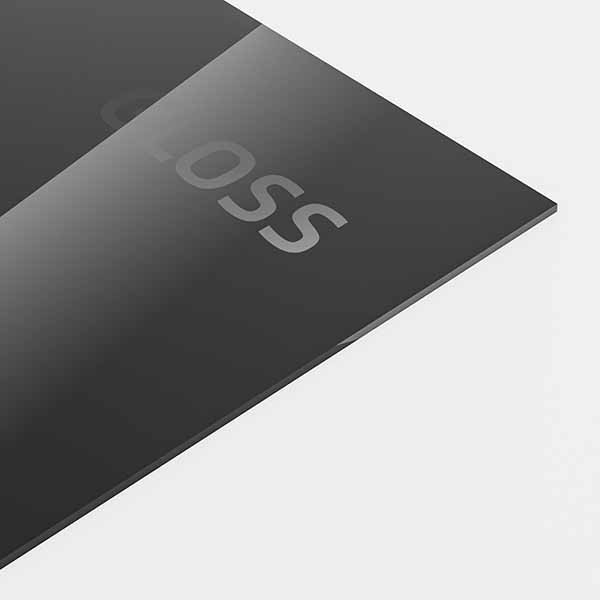
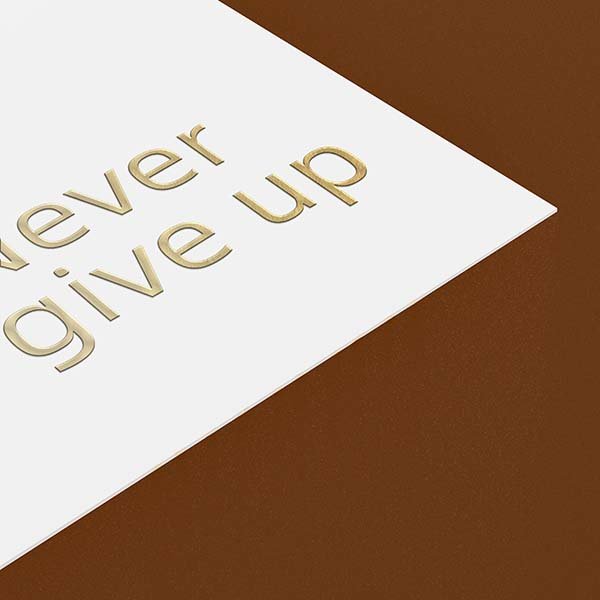
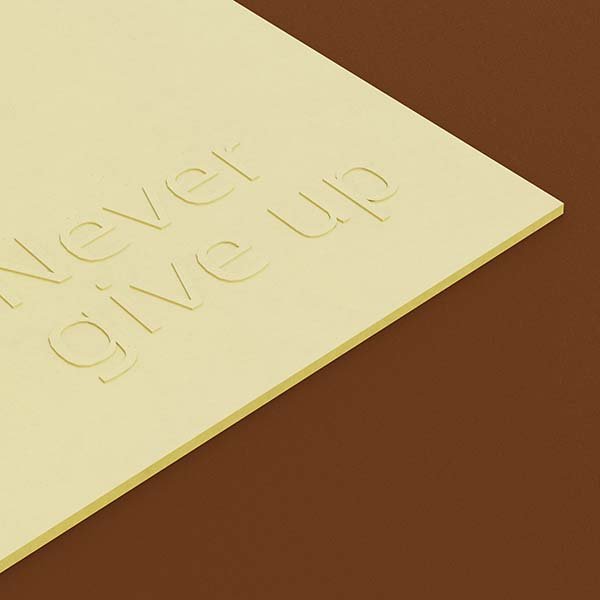
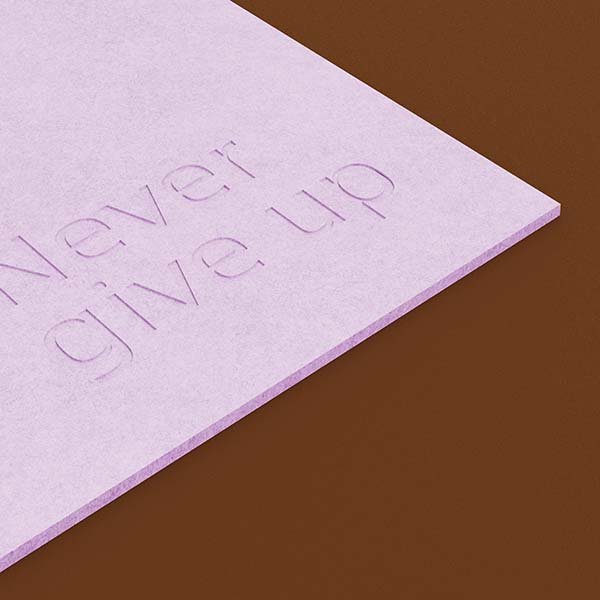
Printed coated board, uncoated board and kraft-look stocks can be reviewed against your visual target and packing requirements. We can discuss offset or digital printing where appropriate, as well as matte or gloss surface treatments, foil accents and embossing. Availability, board caliper, minimum quantities and the best print method depend on your final dieline and artwork. We will confirm what is feasible in the quote and sample rather than promising every finish on every stock.
- Brand system: Share your logo, color references and the number of flavor or seasonal variants. Keep required label text readable at the final pack size.
- Artwork production: Ask for the approved dieline before finalizing graphics; allow for folds, glue areas, bleeds and any barcode quiet zone.
- Finish selection: Review a physical sample for scuffing, foil detail and color under the lighting in which the product will be sold.
- Material claims: Recycled content, responsible sourcing and recyclability depend on the selected material, coatings and local collection system. Tell us what documentation or claim you need before artwork approval.
The outer printed paperboard pack on this page is designed for a separately sealed chocolate bar. It should not be assumed suitable for direct food contact. If your concept needs packaging to touch unwrapped chocolate, state the intended use and market at the start so materials and supporting documentation can be reviewed separately.
Send a Brief That Produces a Useful Quote
- Wrapped bar: Maximum length × width × thickness, including end seals; a photograph, drawing or physical pack is helpful.
- Structure: Enclosed folding carton or sleeve, your preferred opening/closure, and how the product will be displayed.
- Artwork and variants: Dieline or draft files, color references, number of flavors and quantity for each printed design.
- Quantity: At least 1,000 production units per size and printed design; indicate forecast reorders separately.
- Delivery: Destination country, postal or ZIP code, preferred incoterm and target in-hand date; request DDP if needed.
Our free design guidance can help resolve structure and artwork placement before sampling. A paid sample normally takes around 7 days after specifications are agreed; bulk production is usually around 30 days after you approve the final sample and artwork. Timing, sample charge, freight, duties and DDP scope are confirmed for the actual project in writing. The carton does not replace temperature management or protective transit packaging for chocolate shipments.
Frequently Asked Questions
What is your minimum order for custom chocolate bar boxes?
Our standard formal production MOQ is 1,000 units per size and printed design. If you have several flavors with different artwork, send the quantity for each version so we can quote the real production plan.
Can you size the carton from the chocolate bar weight?
No. A 100 g weight does not determine the dimensions of the sealed bar. We need its maximum wrapped length, width and thickness, including the crimped ends or folded seals.
Can I order just a printed sleeve?
Yes, a paperboard sleeve is an option when the separately sealed inner wrapper is already secure. We will check how tightly it grips the wrapper, the available printable area and how it behaves during handling.
Is the outer paperboard box approved for direct food contact?
Do not treat the illustrated printed outer carton as a direct-food-contact package. It is specified here for a separately sealed bar. Direct-contact materials must be assessed for their exact material, use and destination market; the US FDA’s food-packaging information explains why intended use matters.
Are design help and samples free?
Structural and artwork-placement guidance is free. Physical samples are charged because they require setup and materials. We confirm the sample cost before making one.
How long are sampling and production?
A physical sample typically takes around 7 days after specifications are settled. Bulk production typically takes around 30 days after final sample and artwork approval. Complex finishes, multiple variants and shipping can affect the total schedule.
Can you quote DDP delivery to the US, Canada or Australia?
DDP can be assessed for many destinations in these markets. Provide your postal or ZIP code and the order specification so we can confirm freight, duties and the exact delivery scope in writing.
Are the images on this page real customer projects?
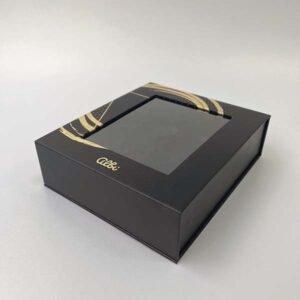
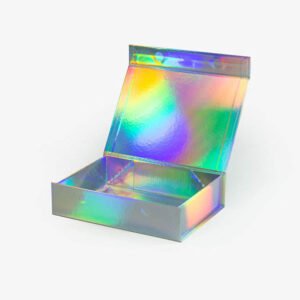
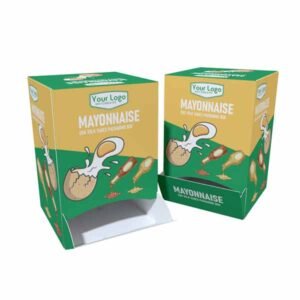
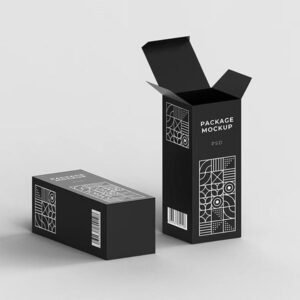
No. They are original illustrative concept images showing possible carton construction and print styles. Your final product is defined by the approved specification and physical sample.
Build Your Single-Bar Packaging Program
Send us the wrapped bar dimensions, desired structure, quantity per artwork and destination. We can recommend a sample-ready direction and prepare a tailored quotation. If you are planning a broader assortment, explore our chocolate packaging overview, truffle boxes or custom candy boxes.
Request a chocolate bar box quote | Email the packaging team | Discuss on WhatsApp