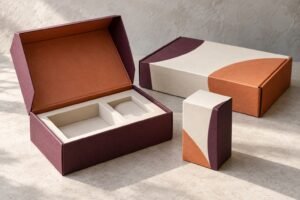
When a jewelry or watch brand asks about custom drawer rigid boxes wholesale, the useful conversation rarely starts with the box size. It starts with the product: how heavy the watch head is, whether the pendant surface scratches easily, how the ring should sit when the drawer stops, and what the customer should see in the first two seconds of opening.
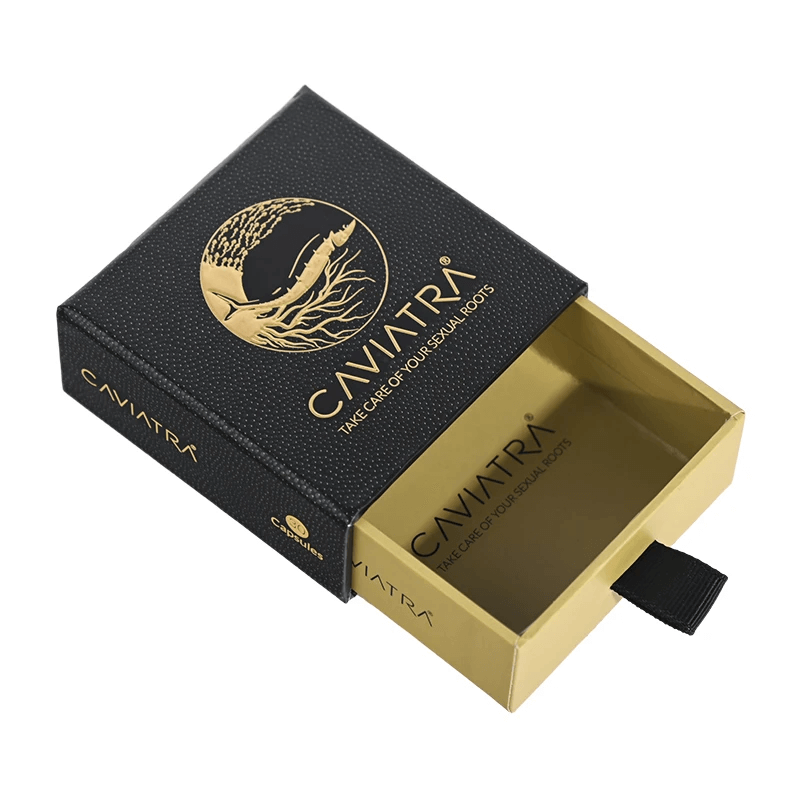
That is the difference between an ordinary gift box and a drawer rigid box built by a packaging team. The structure has to open smoothly, hold small high-value items with precision, protect delicate finishes, and still feel natural in the hand. If the drawer sticks, the ribbon twists, or the insert lets the product drift, the customer feels it before they read a logo.
For rings, earrings, necklaces, bracelets, watches, collectible charms, and small luxury accessories, the drawer format gives both sides what they need: a controlled reveal for the brand and a predictable construction for production. The system is simple to describe, but demanding to make well: outer sleeve, inner tray, puller, insert, wrap paper, glue control, and final packing all have to work together.
Why Jewelry and Watch Packaging Has No Room for Loose Fit
Fine jewelry and watches are small, but the packaging brief is not small. A ring can rotate in transit and arrive off-center. A necklace can tangle before the customer even sees the pendant. A watch case can rub against a rough insert edge. A polished surface can lose its premium appearance if it arrives with micro-scratches. For this category, protection is often less about dramatic impact and more about quiet movement control.
Bain & Company reported that watches reached a record 55 billion euros in 2023, while jewelry sales were estimated at 29 billion euros, up 5 to 6 percent from 2022. That matters for packaging. In a category where the product is small but the value is high, the box is part of how the customer judges care, quality, and trust.
The same point shows up in consumer behavior. Vogue Business reported that TikTok’s #unboxing had reached 44.3 billion views since its 2018 launch. Not every jewelry box should be designed for social media, but it is hard to ignore the lesson: the opening moment is now a visible part of the product experience.
On the value side, Business Insider, citing Rebag data, reported that Van Cleef & Arpels styles held 112 percent of their value on average in 2025, while Rolex held 104 percent and Cartier averaged 87 percent. When buyers treat jewelry and watches as long-life pieces, packaging should not feel disposable or careless.
| Market Signal | What It Means for Packaging | Practical Drawer Box Decision |
|---|---|---|
| High-value watch and jewelry categories | Small products still need strong perceived value | Use rigid board, clean wrapping, and a stable presentation tray |
| Unboxing is publicly shared and reviewed | The opening motion becomes part of the brand story | Control slide resistance, ribbon length, and first reveal angle |
| Resale and collecting behavior is growing | Customers expect lasting quality, not one-use packaging | Choose durable inserts, scuff-resistant papers, and neat storage logic |
| Sustainability expectations are rising | Claims must be specific and practical | Specify paper source, removable inserts, and clear disposal guidance |
| Product | Main Packaging Risk | Drawer Box Response | Insert Detail to Specify |
|---|---|---|---|
| Ring | Rotation, stone contact, poor center alignment | Compact tray with a centered reveal | Velvet ring slot, EVA wedge, or flocked paper insert |
| Earrings | Backings lost, pair misalignment, pin pressure | Flat pull-out tray with a stable display plane | Punched velvet card, foam board, or molded pulp cavity |
| Necklace | Tangling, chain movement, pendant scratching | Long tray with tension points and pendant recess | Ribbon tabs, hidden hooks, or soft-card bridge |
| Watch | Case rubbing, strap deformation, crown pressure | Deep tray with side clearance and lifting space | Cushion, EVA nest, suede-wrap support, or paperboard riser |
| Charm or small accessory | Rattling, mixed components, low perceived value | Multi-cavity tray with a tight pull feel | Die-cut foam, molded fiber, or layered paperboard insert |
The Drawer Format Is More Than a Sliding Box
From the outside, a drawer gift box looks simple. On a sample table, it is not simple at all. I would check whether the tray slides straight, whether the drawer face sits flush with the sleeve, whether the puller lands in the center, and whether the insert stays fixed when the box is tilted. These details are why brands should work with a real jewelry packaging manufacturer, not just a generic paper box vendor.
At YihongBox, drawer structures can be connected to broader rigid box capabilities, including magnetic closure boxes, two-piece boxes, book-style boxes, and shoulder-neck structures. For jewelry and watch buyers, the drawer format is especially useful when the product needs a slow reveal and a compact footprint.
What Makes a Drawer Box Feel Expensive?
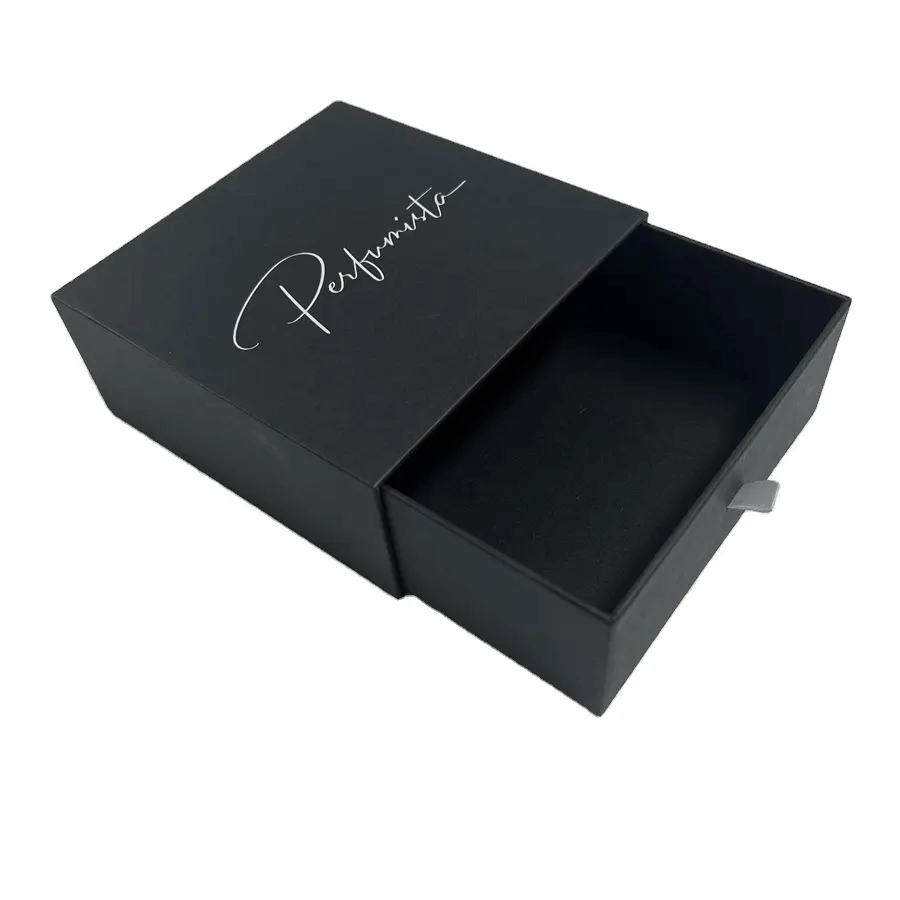
Luxury is often measured in small signals. A drawer that feels too loose suggests weak control. A drawer that is too tight feels poorly engineered. A ribbon that frays after one pull damages the experience. A velvet insert with uneven glue marks can make a premium ring feel less valuable. The best drawer rigid boxes do not shout. They feel calm, quiet, and exact.
| Detail | Good Manufacturing Standard | Premium Effect | Failure to Avoid |
|---|---|---|---|
| Slide resistance | Smooth movement with controlled friction | The customer feels precision before seeing the product | Loose tray, scraping sleeve, or sudden drop-out |
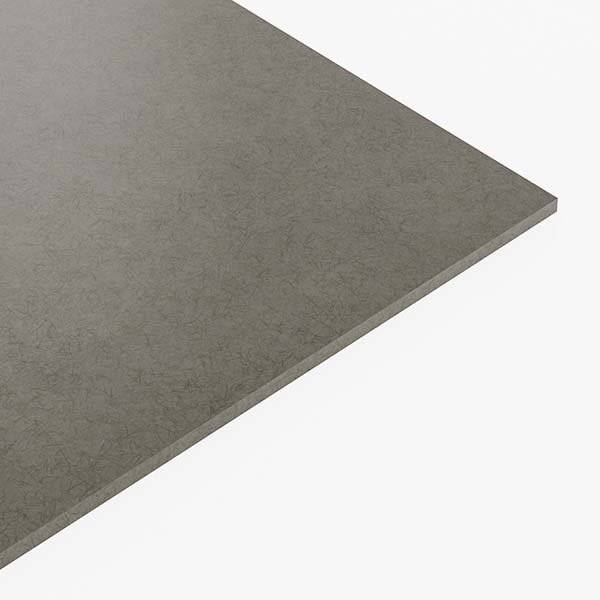
| Board thickness | Rigid greyboard matched to box size and product weight | Dense hand-feel without bulky proportions | Warped sleeve, soft corners, or heavy overbuild |
| Edge wrapping | Clean turn-in, sharp corners, no exposed raw board | High-end retail finish from every angle | Wrinkles, lifting paper, or uneven seams |
| Puller attachment | Anchored ribbon, fabric loop, or tab tested for repeated use | Elegant opening motion and easy access | Weak glue, fraying, crooked placement |
| Insert placement | Flush fit, correct cavity depth, stable product hold | Jewelry looks intentionally staged | Product movement, tilted display, visible glue lines |
Insert Engineering: EVA, Velvet, Molded Pulp, or Paperboard?
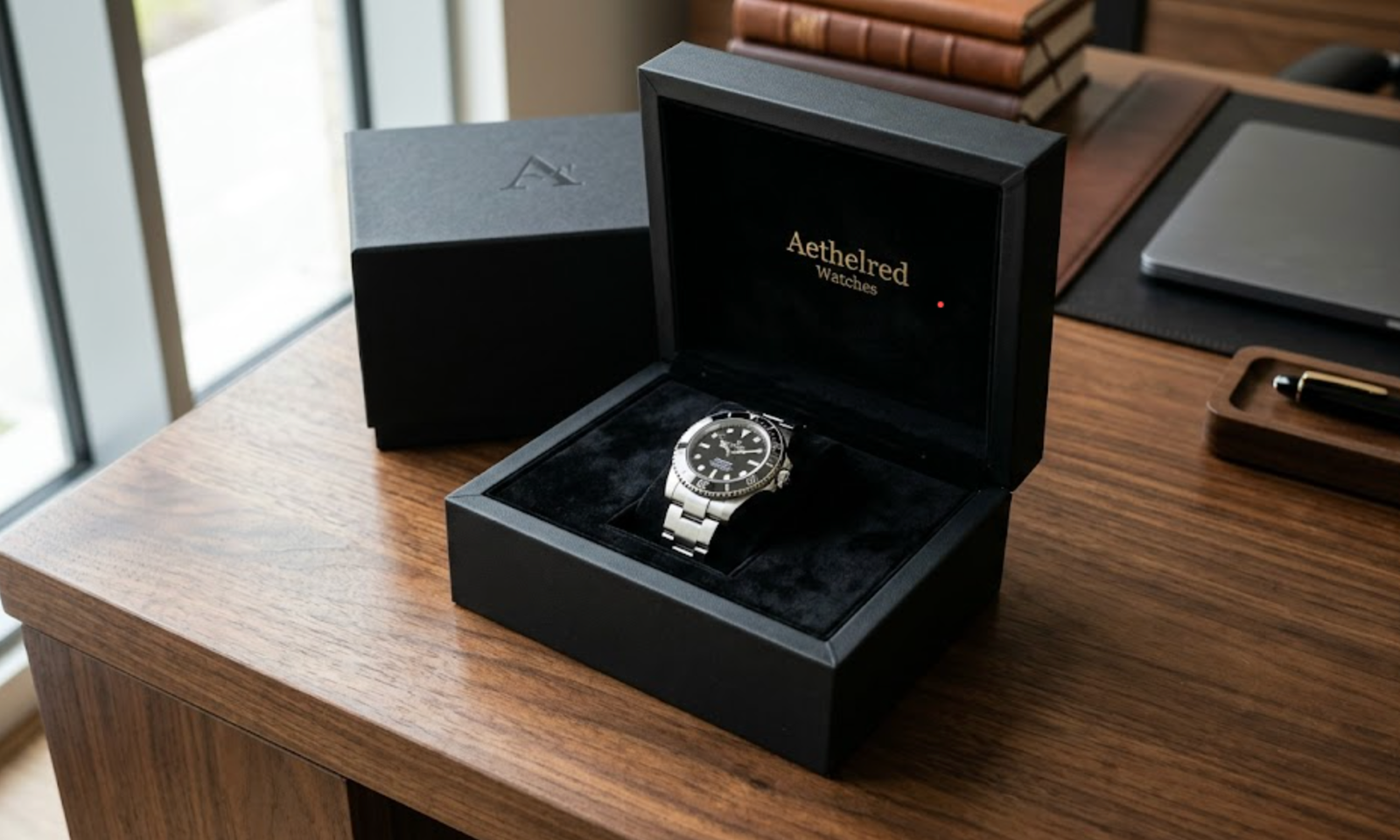
The insert is the working part of a jewelry drawer box. It decides whether a necklace lies cleanly, whether a watch case avoids scuffing, and whether a ring stands upright when photographed by the customer. YihongBox offers custom foam inserts as well as paper-based and textile-lined alternatives, depending on the product and brand goal.
For high-gloss metal, velvet and suede-touch linings reduce abrasive contact. For watches, EVA can be useful when the case and strap need a firm nest. For sustainability-led brands, molded pulp or shaped paperboard may be better when the visual language supports it. I would not choose an insert just because it sounds premium. I would choose it because it holds the item properly, protects the surface, and can be repeated in production.
| Insert Material | Best For | Strength | Watch-Out | Recommended Finish |
|---|---|---|---|---|
| EVA foam | Watches, heavy pendants, component kits | Clean cutting, stable hold, strong shape memory | Can look technical if not covered or color-matched | Black, cream, or velvet-laminated surface |
| Velvet insert | Rings, earrings, bracelets, premium sets | Soft tactile surface and classic jewelry feel | Lint, pile direction, and glue control matter | Short-pile velvet, suede-touch wrap, or flocked card |
| Molded pulp | Eco-positioned accessories and simple product shapes | Plastic reduction and sculpted product support | Less suitable for ultra-delicate polished surfaces unless lined | Dyed pulp, paper wrap, or removable display card |
| Paperboard tray | Lightweight jewelry, charms, carded pieces | Efficient, printable, easy to scale | Needs accurate folding and tab locking | Printed card, specialty paper, soft-touch lamination |
| Satin or fabric cushion | Watches, bracelets, ceremonial gift sets | Creates a soft premium platform | Must be sized to prevent loose movement | Satin, microfiber, suede-touch, or branded cushion band |
Ribbon Pullers, Fabric Tabs, and Drawer Opening Control
A drawer box depends on the puller more than many brands expect. A poor puller turns a beautiful box into a frustrating object. A good puller gives the customer a clear opening direction and a controlled first reveal. For jewelry and watch boxes, common options include satin ribbon, grosgrain ribbon, cotton tape, faux leather tabs, paper pull tabs, and woven fabric loops.
The puller should be specified with width, length, color, attachment method, and pull strength. For small jewelry boxes, the puller must be elegant but not oversized. For a watch drawer box, a wider ribbon or fabric tab may be more comfortable because the tray is deeper and heavier.
| Puller Type | Best Fit | Visual Character | Production Note |
|---|---|---|---|
| Satin ribbon | Fine jewelry and bridal collections | Soft, classic, gift-oriented | Heat-cut edges to reduce fraying |
| Grosgrain ribbon | Watch boxes and heavier drawers | Structured, tactile, durable | Check rib direction and color consistency |
| Faux leather tab | Modern luxury accessories | Minimal and architectural | Needs clean die-cut edge and strong anchoring |
| Paper pull tab | Plastic-reduction packaging | Clean, understated, recyclable direction | Use reinforced board to prevent tearing |
| Woven fabric loop | Collector boxes and gift sets | Premium and practical | Test repeated opening before mass production |
Tolerance Control Is Where the Real Quality Shows
When a buyer compares several pull-out gift box supplier samples, the visual difference may be subtle. The real difference appears after ten openings. Does the tray still slide straight? Does the sleeve bow? Does the insert lift? Does the ribbon remain centered? I like this test because it quickly separates a nice-looking sample from a production-ready structure.
For drawer rigid boxes, tolerance control should include tray-to-sleeve clearance, insert fit, wrapped paper thickness, board caliper, glue area, puller placement, and finished box squareness. Even a small change in paper wrap or lamination can affect the sliding feel.
| Control Point | What to Check | Why It Matters | Buyer Approval Method |
|---|---|---|---|
| Tray clearance | Gap between inner tray and outer sleeve | Controls slide feel and prevents jamming | Open-close test across multiple samples |
| Insert cavity | Depth, shape, and surface contact points | Prevents rattling, scuffing, and poor display angle | Fit test with real product or accurate dummy |
| Puller placement | Center position, length, attachment strength | Creates consistent opening behavior | Repeated pull test and visual alignment check |
| Wrapped edge | Corner sharpness, paper lift, glue marks | Defines premium hand-feel and retail quality | Close inspection under natural light |
| Finished squareness | Box sits flat, drawer face aligns with sleeve | Prevents luxury packaging from looking handmade in the wrong way | Flat table check and batch sample comparison |
Surface Finishing: The Box Must Match the Jewelry Tier
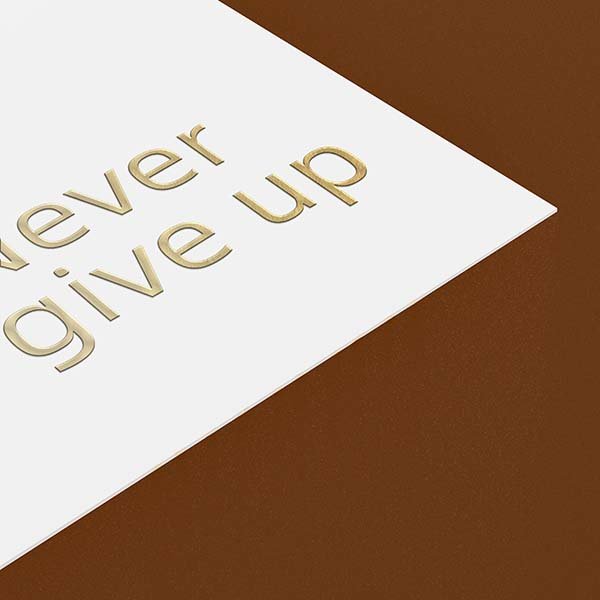
Drawer boxes can be quiet and minimal or highly decorative. The finishing choice should match the jewelry line. A diamond ring box may need velvet paper, foil stamping, and a subtle deboss. A contemporary watch strap brand may prefer matte black paper, blind embossing, and a clean grosgrain puller. A young fashion jewelry brand may use color-block sleeves and hot foil to make the packaging feel more giftable without increasing structure cost.
YihongBox supports finishing and material options across custom gift boxes, custom magnetic rigid boxes, packaging sleeves, and custom packaging boxes. For drawer packaging, the finish should be selected after the slide tolerance is proven, because lamination thickness and specialty paper texture can change the fit.
Wholesale Buying: What Brands Should Ask Before Ordering
Wholesale buyers need more than a unit price. They need to understand structure, material, sampling, mass production tolerance, and packing method. A low quote is not useful if the tray jams, the insert does not fit the watch, or the ribbon color shifts between batches. When evaluating a drawer box supplier, ask the questions that affect repeatable quality, not just the questions that affect the first quotation.
For shipping validation, brands can also use recognized packaging test references. ISTA provides transit testing resources, while ASTM D4169 is widely used for performance testing of shipping containers and systems. A jewelry box does not need to look industrial, but it still needs a clear protection plan before wholesale production.
| Question | Why It Matters | Strong Supplier Answer |
|---|---|---|
| Can the box be sampled with the real jewelry or watch dimensions? | Small luxury items require accurate fit, not rough estimates | Supplier requests product dimensions, weight, and display orientation |
| Which insert materials are available? | Different products need different surface protection | EVA, velvet, paperboard, molded pulp, satin cushion, and hybrid structures |
| How is drawer slide resistance controlled? | The opening feel defines perceived quality | Supplier checks sleeve clearance, paper thickness, tray squareness, and finished samples |
| Can the puller be customized? | The puller is both functional and decorative | Ribbon, fabric tab, faux leather, paper tab, color matching, and attachment testing |
| How are finished boxes packed for shipping? | Rigid boxes can be scratched or crushed before they reach the brand | Protective master cartons, interleaving, corner protection, and clear packing specification |
Responsible Materials and Clear Claims
Jewelry customers increasingly care about responsible sourcing and material choices. The Responsible Jewellery Council describes itself as a global membership and standards body for responsible jewellery throughout the supply chain. Packaging cannot replace responsible product sourcing, but it should not contradict it either.
Vogue Business, summarizing Mondi research across five e-commerce markets, reported that 84 percent of respondents saw sustainable packaging as an essential factor in online purchasing, 78 percent were more inclined to buy again after a distinctive unboxing experience, and 88 percent wanted returns to be easier through packaging that can be reused and resealed. For jewelry packaging, I read those numbers as a practical brief: remove useless layers, keep the reveal beautiful, and make material choices easy to explain.
For paper-based luxury packaging, brands can consider FSC-labeled papers, recycled greyboard, molded fiber inserts, soy-based inks, and plastic-reduction structures. Claims should remain specific. The FTC Green Guides note that recyclable claims should not be misrepresented and should be qualified when recycling programs are not widely available. This matters for jewelry boxes that combine paper, ribbon, foam, magnets, fabric, or lamination.
In practice, the right path is not to call every box “eco-friendly.” It is better to specify which component is paper-based, which component is reusable, whether the insert is removable, and how the customer should separate materials if disposal is expected. Consumer-facing labels and guidance systems such as How2Recycle can help brands think more clearly about disposal language.
Why Drawer Rigid Boxes Work Especially Well for Small Luxury Items
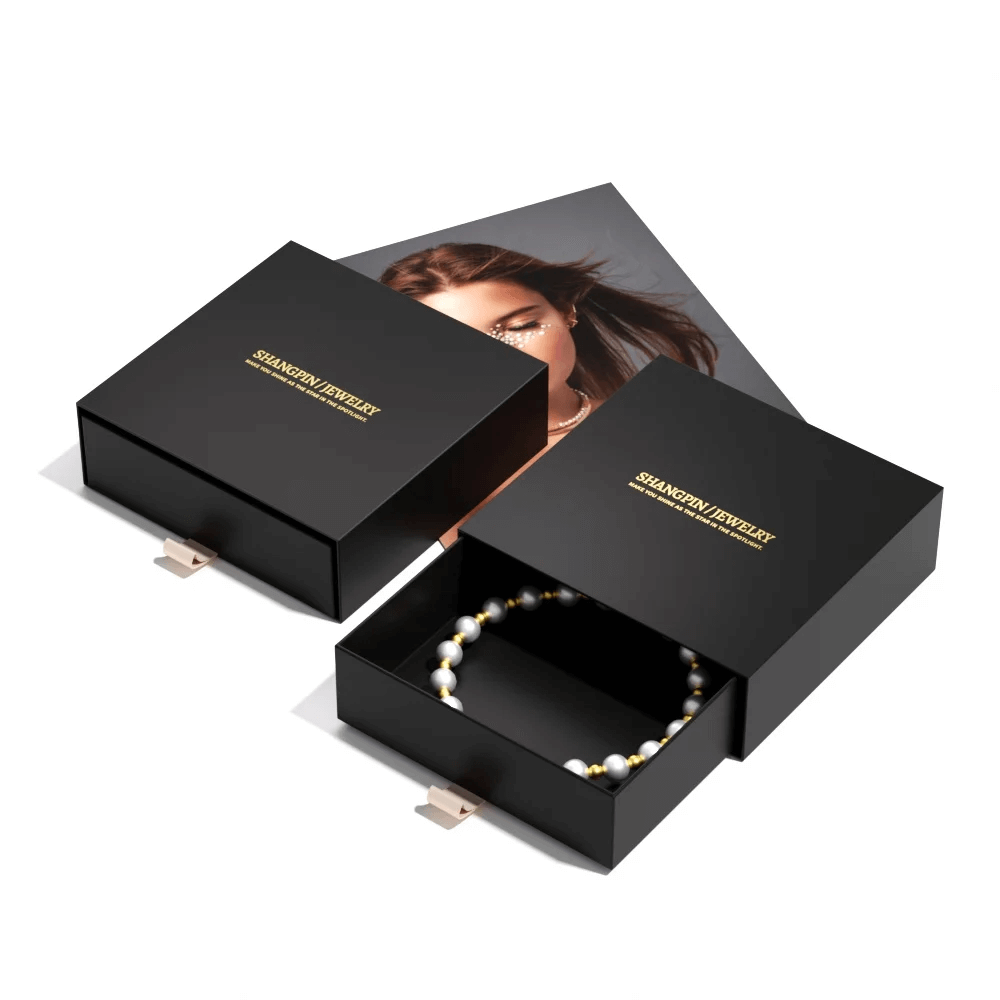
Drawer boxes give small products a larger emotional stage. The outer sleeve creates privacy. The puller creates anticipation. The inner tray frames the item. The insert controls position. For jewelry and watches, that sequence feels natural because the customer expects a reveal, not just access.
Compared with a simple lid-and-base box, a drawer structure can feel more intimate and more controlled. Compared with a magnetic flap box, it often uses less table space during opening. Compared with a folding carton, it carries more hand-feel and protection. That is why a well-made drawer rigid box can help a small item feel substantial without making the package oversized.
How to Brief YihongBox for a Drawer Box Project
A good brief saves sampling time. Before requesting a quotation, prepare the product size, product weight, display direction, insert preference, brand colors, finish requirements, approximate order quantity, shipping destination, and any sustainability requirements. If possible, send a real product, a product dummy, or a CAD drawing for the insert. The closer the first sample is to the real product, the fewer surprises you will have later.
For jewelry and watch brands comparing custom drawer rigid boxes wholesale options, YihongBox can help define the structure, insert, paper wrap, puller, finish, and packing method. You can start from custom jewelry boxes, explore rigid box structures, add custom inserts, or contact the team through YihongBox Contact for a project review.
Final Takeaway
Custom drawer rigid boxes are popular in jewelry and watch packaging because they solve both sides of the luxury problem. They protect small delicate items with a controlled insert system, and they turn opening into a quiet ritual. The best versions are not defined by decoration alone. They are defined by fit, slide feel, edge finish, puller durability, insert accuracy, and batch consistency.
If a brand wants packaging that feels precise, gift-ready, and scalable, a drawer rigid box is one of the most dependable structures to evaluate.
FAQ: Custom Drawer Rigid Boxes for Jewelry and Watches
What are custom drawer rigid boxes?
Custom drawer rigid boxes are premium paperboard boxes with an outer sleeve and a sliding inner tray. They are often used for jewelry, watches, cosmetics, accessories, and luxury gifts.
Why are drawer boxes good for jewelry packaging?
They create a controlled reveal, hold small items in a stable tray, and work well with inserts such as EVA foam, velvet, molded pulp, paperboard, and satin cushions.
Can drawer rigid boxes be ordered wholesale?
Yes. Wholesale orders are common for jewelry brands, watch brands, retailers, subscription programs, and corporate gifting projects. The best result starts with a tested sample before mass production.
Which insert is best for watch packaging?
For watches, EVA foam, suede-wrap supports, and fabric cushions are common choices. The right insert depends on case size, strap shape, product weight, and desired display angle.
Can drawer boxes be made without plastic inserts?
Yes. Brands can use molded pulp, paperboard trays, flocked paper, or fabric-lined board. The insert should still be tested for product hold, surface protection, and opening behavior.
What should I send to a pull-out gift box supplier for a quote?
Send product dimensions, product weight, box size target, insert preference, artwork or brand colors, finish requirements, quantity, destination market, and any sustainability requirements.