Discreet packaging shields customer privacy by keeping the nature of purchases hidden. Many people value privacy when they order sensitive or personal items. Discreet boxes and labels help prevent unwanted attention. This method builds trust and security. Discreet solutions protect customers and make privacy a top priority.
Key Takeaways
Discreet packaging keeps purchases private by using plain boxes and neutral labels that hide the contents and sender’s identity.
Using unbranded packaging helps prevent theft and tampering by not attracting unwanted attention to valuable or sensitive items.
Discreet packaging builds customer trust and loyalty by respecting privacy and creating a safe, judgment-free shopping experience.
Discreet Packaging Basics
What Is Discreet Packaging
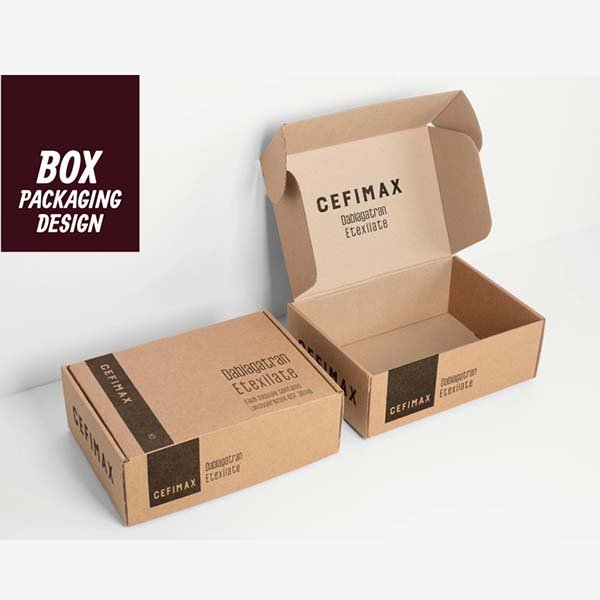
Discreet packaging refers to the use of plain, unbranded packaging that hides the contents of a shipment. Companies often choose plain discreet packaging to protect customer privacy and reduce the risk of theft. Packages usually arrive in brown or white boxes or envelopes with no logos, graphics, or product names. Labels remain neutral, and return addresses do not reveal the sender’s identity. This discreet packaging process helps ensure that no one can guess what is inside the package just by looking at it. Many industries, such as health, personal care, and luxury goods, rely on discreet packaging and shipping to meet customer expectations for privacy.
Key Features
Discreet packaging includes several important features:
No company logos, slogans, or product information on the exterior
Standard box sizes to avoid revealing product type or value
Opaque inner wrappings or bags for extra concealment
Discreet packaging not only protects privacy but also deters theft and encourages repeat purchases by building trust.
Unbranded packaging also helps companies comply with privacy laws and industry regulations. Customers appreciate knowing their sensitive or high-value items arrive safely and privately.
Discreet Shipping Explained
Discreet shipping uses methods that further conceal both the contents and the origin of packages. Carriers like USPS, UPS, FedEx, and Amazon support discreet shipping by using plain packaging and neutral shipping labels. They may require adult signatures for discreet delivery of sensitive items. Discreet shipping avoids branded tape and uses generic sender names. Some packages use extra layers or blackout mailers for added privacy. Discreet packaging and shipping are especially important for products like adult novelties, health supplies, fitness supplements, and high-value electronics. These practices help prevent theft, protect privacy, and ensure compliance with legal requirements.
Customer Privacy and Security
Privacy Benefits
Discreet packaging plays a vital role in protecting privacy during the shipping process. When companies use unmarked boxes or envelopes, they prevent others from identifying the contents. This approach keeps purchases confidential and shields sensitive information from neighbors, delivery staff, or anyone who might see the package. Customers often report several privacy benefits:
Purchases remain confidential, protecting customer privacy.
Discreet packaging prevents embarrassment or stigma, especially for sensitive products.
The approach creates a judgment-free shopping experience.
Customers feel respected, which builds trust and loyalty.
Discreet packaging and shipping help maintain customer confidentiality by ensuring that no personal or medical information appears on the outside of the package. This respect for privacy protection is especially important for items like medications, health supplies, or personal care products. Flexible delivery options, such as after-hours drop-off or secure pick-up locations, further reduce the risk of public exposure.
Preventing Theft and Tampering
Discreet packaging and shipping also reduce the risk of theft and tampering. Packages that do not display logos, product names, or branding do not attract attention. Thieves often target boxes that look valuable or reveal their contents. By using plain, sturdy packaging and generic shipping labels, companies make it harder for unauthorized people to identify or steal packages.
Unbranded packaging conceals both the contents and the value of the shipment.
Plain boxes or envelopes discourage theft by not drawing attention.
Tamper-proof features and secure handling practices add another layer of protection.
Neutral shipping labels help keep the package safe during transit.
Discreet packaging often includes extra padding and secure seals. These features protect the contents from damage and interference. Couriers that support discreet shipping further enhance security by handling packages with care and reducing the chance of accidental exposure.
Building Trust
Discreet packaging and shipping help companies build long-term trust with their customers. When people know their privacy is respected, they feel more comfortable making purchases, even for sensitive or high-value items. This trust leads to greater satisfaction and encourages repeat business.
Discreet packaging protects privacy, which fosters a sense of safety and comfort.
Customers are more likely to shop again when they know their information stays confidential.
Brands that use discreet packaging show professionalism and respect for their customers.
Positive experiences with discreet shipping often lead to strong word-of-mouth recommendations.
A plain exterior can also make the unboxing experience more pleasant. Customers appreciate the care taken to protect their privacy. In industries like healthcare, adult products, and electronics, discreet packaging and shipping have become essential for building loyalty and ensuring customer satisfaction. Companies that prioritize privacy protection often see higher rates of repeat purchases and stronger brand loyalty.
Discreet Packaging and Shipping in Practice

Industries and Products
Many industries rely on discreet shipping to protect customer privacy and prevent theft. The following table shows key sectors and their reasons for using premium discreet boxes and confidential box packaging:
Industry | Reasons for Implementing Discreet Packaging |
|---|---|
Healthcare | Protects patient privacy by keeping medical conditions and personalized medical products confidential. |
Consumer Electronics | Prevents theft of high-value items like smartphones and laptops during transport and delivery. |
Adult Products | Maintains purchaser discretion and avoids drawing attention to sensitive items such as lingerie and adult toys. |
Luxury Goods | Protects valuable items like jewelry and designer accessories from theft and keeps contents secretive during transit. |
Toy Companies | Avoids unwanted attention, helps parents hide gifts from children, and protects limited edition sets from theft. |
Service Providers | Ensures confidentiality when shipping sensitive documents, e.g., law firms and private investigators. |
Discreet shipping also supports a positive unboxing experience and builds trust for customers who expect a private product package.
Discreet Box Packaging Methods
Companies use discreet box packaging to keep shipments secure and private. They select discreet packaging materials such as plain cardboard boxes, poly bags, or bubble mailers. These materials hide both the contents and the sender’s identity. Premium discreet boxes often use generic shipping labels with sender names like “Fulfillment Center” instead of company names. Branding appears inside the package, not on the outside. Some businesses place a branded box inside a plain outer box for extra privacy. Many fulfillment centers partner with third-party logistics providers to source effective discreet packaging materials and automate the process for speed and accuracy.
Tip: Communicate discreet shipping options to customers so they know what to expect.
Compliance and Best Practices
Businesses must follow privacy regulations like GDPR and CCPA when using premium discreet boxes. They should invest in employee training, maintain shipment documentation, and stay updated on regulatory changes. Regular audits help identify and fix compliance gaps. Companies also need strong data governance policies, including encryption and secure storage. Obtaining customer consent for data collection and monitoring international data transfers ensures transparency and compliance. Protecting personal data in supply chain operations reduces the risk of fines and builds customer trust in discreet shipping.
Discreet packaging protects privacy and security for both customers and businesses. Research shows it builds trust, reduces theft, and increases satisfaction.
Stakeholder | Key Benefit |
|---|---|
Customers | |
Businesses | Stronger reputation and loyalty |
Prioritizing discreet shipping ensures peace of mind and lasting trust. |
Preventive Risk Management
In 2026, porch piracy remains a global logistics pain point. The core of discreet packaging lies in “visual stealth,” significantly reducing the risk of theft across the supply chain by eliminating sensitive external information.
Dual Branding Strategy: YiHong Box recommend a “Neutral Exterior, Luxury Interior” logic. The outer box uses high-strength, unprinted raw corrugated board to ensure the package remains inconspicuous in stacks, while high-precision branding is applied to the inner box or lining. This design ensures logistics security while preserving brand impact at the moment of unboxing.
High-Opacity Material Specs: For sensitive products, we provide high-opacity composite materials, ensuring that internal product outlines or logos cannot be seen from the outside even under intense light. This physical privacy is the first step in building customer trust.
FAQ
Does adopting discreet packaging mean we have to sacrifice the "premium feel" and brand premium of our packaging?
On the contrary. Yihong Box advocates for “Restrained Luxury.” By shifting external design to internal structures, we can apply high-precision foiling, velvet linings, or spot UV to the inner box. This post-unboxing contrast not only protects privacy but also creates a powerful “Wow Moment,” enhancing customer brand loyalty while ensuring security.
What is the actual data performance of discreet packaging in reducing DNR (Delivered but Not Received) rates?
According to 2026 industry benchmarks, for high-value or sensitive categories, switching from standard branding to professional discreet structural designs can reduce parcel theft rates by an average of 25% – 35%. For enterprises, this directly lowers reshipment material and freight costs while significantly reducing customer service operational pressure caused by logistics disputes.
Will discreet packaging significantly increase per-unit costs?
Not necessarily. By optimizing printing (shifting multi-color outer printing to monochrome inner printing), we can upgrade privacy without increasing total costs, even boosting ROI by reducing theft and loss rates.
Without external brand logos, how do you ensure warehouse sorting and identification efficiency?
We utilize “Digital Identification Technology.” By applying miniature, non-branded Data Matrix codes or invisible inks on the sides or folds of the package, we ensure 100% logistics accuracy for automated sorting systems. Meanwhile, neither consumers nor logistics personnel can discern the brand or value of the package with the naked eye.
For the medical or adult wellness industries, is your discreet packaging compliant with international privacy protection protocols?
Yihong Box strictly adheres to global Privacy-compliant Shipping Standards. Our materials ensure 100% opacity, and our adhesive bonding strength exceeds fiber-tear limits, ensuring any unauthorized attempt to open the package leaves irreversible physical evidence. We can assist your legal department in completing compliance audits at the packaging level.
Is this packaging compliant with 2026 eco-standards?
Absolutely. Our discreet solutions use 100% recyclable paper and plant-based glues. By reducing external color ink usage, the recycling process becomes even more efficient and eco-friendly.