Quick answer: Standard shoe box dimensions vary by footwear type. A typical men’s box is about 13–14 × 7–8 × 4–5 inches, a women’s box about 12–13 × 7–8 × 4–5 inches, and a children’s box about 7–10 × 5–6 × 2–3 inches. Boots, high-tops and premium sneakers usually need taller or reinforced formats.
For footwear brands, Yihong Box can engineer custom shoe boxes and production-ready shoe packaging around exact footwear dimensions, retail display and shipping needs. MOQ starts at 1,000 units, with sampling and DDP delivery available. Request a custom sizing and quotation review.
How often have you noticed a shoe box and wondered, “Why is this one bigger than the other one?” Possibly you’ve tried decluttering your closet, wrapped a pair of
heels as a present, or ordered sneakers online, only to find out that several
shoebox sizes exist. You’re definitely right! The dimensions of a shoebox might vary
significantly depending on the type of footwear, the brand, and on who the shoes
are for.
If you’re curious about the size of a shoe box, especially for delivery, storage, or
custom packaging purposes, you’re in the right place. Let’s explore the different
types of shoebox size dimensions, from kids to adults, retail packaging to shipping
Why Shoes Box Dimensions Matter More Than You Think
Although it is easy to think that all shoeboxes are the same, they are actually
designed very specifically. If you’re selling shoes online, managing your home, or
even establishing a small business, knowing the measurements of a shoebox can be
quite useful.
Here’s why size matters:
• Shoes can be harmed by an overly tight box.
• Oversized boxes can increase shipping costs.
• Storage is more effective when sizes are standardized.
• Custom boxes enhance your brand if you’re in retail or reselling.
Knowing their measurements can help you save time, space, and even money
whether working with wholesale shoe boxes or making custom shoe boxes.
“Effective packaging design can also reduce the cost of returns and high costs
associated with field service and repairs.” – Smithers, Packaging Design for
Volumetric Mechanics — Why Dimensions Equal Profit in 2026
In trans-oceanic logistics, you pay for space, not just weight. If there is excess “void space” inside your shoe box, you are effectively paying for air.
Through “Compact Encapsulation Engineering,” Yihong Box reduces box dimensions by over 5%, meaning your per-pair logistics cost can drop by 8% – 12% without sacrificing protection.
The Rhythm of Proportions — Finding the Soulful Fit for Every Step
In the 2026 premium footwear market, dimensions are no longer just physical parameters; they represent the “dignity of space.” Yihong Box believes the best shoe box dimensions should be like a bespoke suit: providing ample protection while showcasing the silhouette’s tension.
The Art of Elegant Void: For exquisite heels or formal oxfords, we pursue a “breathable snugness.” Precise box dimensions ensure the toe box isn’t crushed, while internal specialty paper folding creates a jewelry-box sense of preciousness.
The Volume of Power: For chunky sneakers or boots, the sense of space shifts to “sturdy encasement.” Larger dimensions are not just for accommodation but to provide a visual sense of security through thickened walls, ensuring every pair radiates vitality the moment it’s revealed.
The Average Shoe Box Size
So, typically what size is a shoe box?Though brand-to-brand variations exist in size, most shoeboxes adhere to the
standard ranges. The measurement accuracy will depend whether the shoes are
designed for ladies, men, or children.
Men’s Shoe Boxes
Men’s shoebox dimensions tend to be the largest. These boxes are built to
accommodate larger shoes like dress shoes, boots, or sneakers. The typical
cardboard shoe box for men’s footwear measures:
• Length: 13 – 14 inches
• Width: 7 – 8 inches
• Height: 4 – 5 inches
The majority of men’s shoe sizes, ranging from 8 to 14, fit this size. Take note that
depending on their shape and cushioning, sports or designer shoes may come on
slightly larger or taller boxes.
Women’s Show Boxes
Women’s shoebox size is often smaller. While some high-heeled shoes need taller boxes, the
majority of regular shoes fit within:
• Length: 12 – 13 inches
• Width: 7 – 8 inches
• Height: 4 – 5 inches
A lot of brands use sleeker packaging for women’s shoes. It saves space, looks elegant, and
still does the job.
Kids’ Show Boxes
Kids’ shoe boxes are naturally smaller and frequently more colorful, especially for
retail display. The child’s age group determines their sizes. On average:
• Length: 7 – 10 inches
• Width: 5 – 6 inches
• Height: 2 – 3 inchesOlder children’s shoe boxes are around the size of women’s shoe boxes, while
toddler shoes fit into the smallest ones.
Not Every Shoe Fits In A Standard Box
Certain shoe styles such as boots, sandals, or high-tops, require a particular
packaging style.
For instance:
– Boots are often packaged in taller boxes that are 6 to 10 inches high.
– Heels may need longer but slimmer boxes to avoid damage.
– Sneakers with bulky design like Jordans may come in customized packaging.
Custom shoe boxes are frequently used in these cases particularly in sellers or
companies who want packaging that both reflects their branding and protects the
product.
Quick And Simple Guide To Shipping Shoe Boxes
Shipping shoes in the mail? It’s right to choose the appropriate box size; if it’s too
large, you may end up spending more than you need to.
Here is a quick look at common box:
Shoe Type | Box Size | Tip |
Men’s Shoes | 14 × 9 × 5 inches | Tape all sides securely |
Women’s Shoes | 13 × 8 × 4 inches | Try a bubble mailer if it’s light |
Kids’ Shoes | 10 × 6 × 3 inches | Go for small boxes or padded bags |
Boots | 18 × 10 × 6 inches | Check size limits with your courier |
Before you ship, grab a tape measure and double-check the size. A tight fit saves
money and your shoes will be delivered safe and sound.
Which is Better For You: Custom or Wholesale Shoe Box?
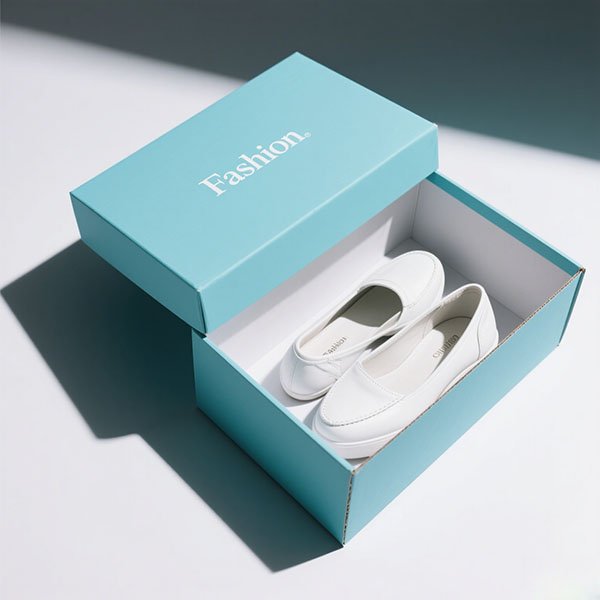
The proper packaging is important whether you’re selling shoes in person or online.
Let’s break down the two most common options:
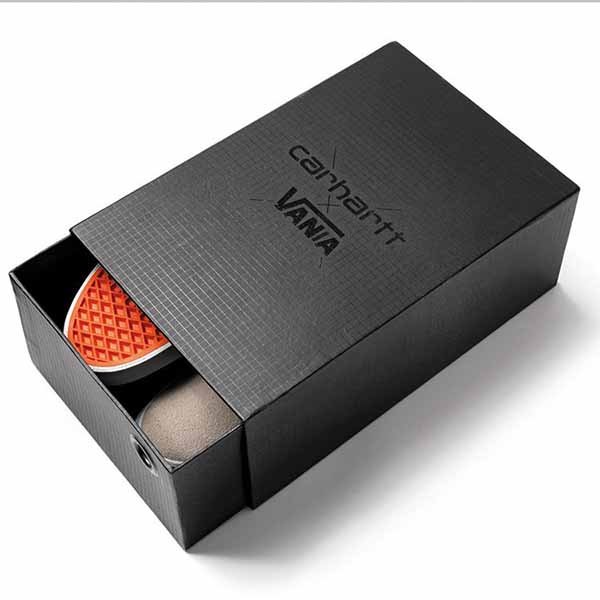
Custom Shoe Boxes
Customized in terms of size, branding, color, and even eco-friendly materials.
Excellent for a glossy, memorable look.
Pros:
• Totally customizable
• Looks professional
• Creates a great unboxing experience
Cons:
• Costs more
• Usually needs a minimum order
Wholesale Shoe Boxes
Ready to use and reasonably priced. These are ideal if you need boxes quickly and
are available in standard sizes.
Pros:
• Cheaper option
• Easy to stack and store
• Great for bulk use
Cons:
• Basic designs
• May not fit every shoe style exactly
Pick what works best for your budget and brand vibe. Carefully considered
packaging has an environmental duty in addition to its aesthetic and functional
value. According to the United Nations Environment Programme (UNEP),
producers accept their responsibility when designing their products to minimize
life-cycle environmental impacts, and when accepting legal, physical, or
socio-economic responsibility for environmental impacts that cannot be eliminated
by design. This principle reminds businesses and creators to think sustainably,
choosing packaging that not only looks good but also does good.
Do Shoe Box Sizes Differ by Brand or Country?
Yes, they do! Not all shoebox sizes are the same. Particularly for dress shoes,
European brands often opt for thinner boxes. Larger, more spacious packaging is
typically used by American brands. Japanese brands tend to keep things compact
and eco-friendly.
Depending on the shoe design or size, dimensions might differ even within the
same brand. Measuring each box is therefore usually a good idea, especially if
you’re transporting or storing them.
The Correct Method for Measuring a Shoe Box
To ensure accuracy, take a measuring tape and follow these steps:
1. Length: Measure within the box from toe to heel.
2. Width: Measure the widest area from side to side.
3. Height: Take a measurement from the box’s bottom to its top.
These three numbers are what you’ll need whether you’re planning your storage
shelf or figuring out shipping costs.
Quick Tip for Selecting The Correct Shoe Box Size
To assist you in selecting the ideal shoebox size for your needs, here’s a brief
checklist:
Choose a shoebox that will fit tightly without squeezing it.
• For shipping, minimize excess space to reduce courier costs.
• Label boxes by size or type if they are being used for storage (e.g., Men’s
Sneakers – Size 10”)
• Custom shoe boxes can boost your company’s reputation and attract
clients.
• Kids’ shoe boxes should be small and stackable.
Knowing the different shoe box sizes isn’t just for people working in warehouses or
packing up products. It’s surprisingly helpful for anyone who ships, sells, stores, or
even just collects shoes. The correct fit really makes a difference, whether choosing
between wholesale or custom shoe boxes, determining the ideal size for shipping,
or just keeping your closet organized.
YihongBox offers a wide range of sizes and styles to suit your needs if you’re
searching for packaging that is sturdy, stylish, and reliable. They provide what you
need, whether you like it simple or completely branded.
So next time if someone asks you, “What are the dimensions of a shoebox?” , you’ll
do more than just guesses. You’ll know exactly where to find a perfect one!
Check out YihongBox today and find a size that fits your style, your shoes, and
your standards. Because good packaging isn’t just a box — it’s part of the
FAQ
Why do custom dimensions elevate brand premium more than standard sizes?
Because “fittingness” is luxury. When shoes don’t rattle or feel cramped inside the box, and present a perfect visual proportion, customers instantly perceive the brand’s ultimate care. This “just right” refinement is a sense of dignity that universal sizes can never provide.
Will the bottom boxes deform when stacked on display shelves?
Our structural engineering pursues “eternal right angles.” By increasing sidewall fiber density and precisely calibrating lid support heights, we ensure that even when stacked multiple layers deep in a boutique, the bottom box remains crisp and straight. That uniform visual tension is the best proof of a brand’s strength.
For long-haul logistics, how do you balance "protection from large sizes" with "shipping costs"?
We utilize “Physical Shock-absorption Narratives.” Instead of blindly enlarging boxes, we optimize the internal structural supports. Even compact dimensions can achieve superior protection by reinforcing corner rigidity. This not only saves 15% in logistics space but also reflects a “lean and efficient” modern view of luxury.
How do perfect dimensions affect the "Display Aesthetics" for sneakerheads?
For collectors, a shoe box is not just packaging; it is a “Building Block of Style.” Yihong Box suggests utilizing highly unified external modules. When boxes for different shoe types are stacked together, the seamless alignment creates a deeply satisfying sense of visual order. This “Aesthetics of Repetition” significantly boosts the brand’s visibility in social media snapshots, making your packaging the pride of a user’s “shoe wall” at home.