A Complete Guide to Golf Ball Packaging
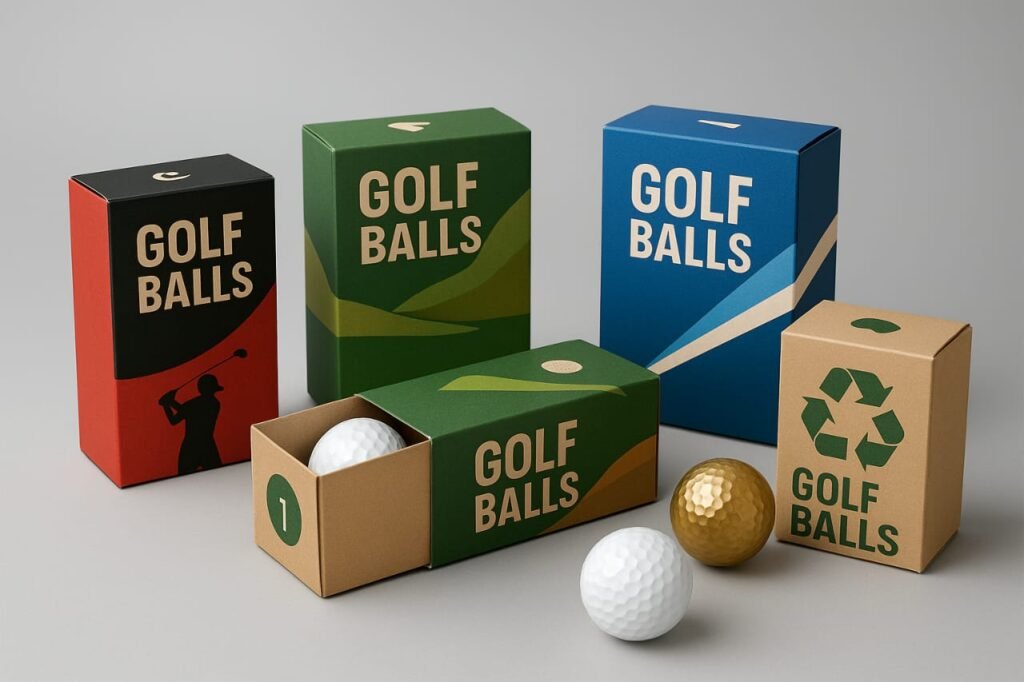
Golf’s all about tradition and a sprinkle of obsession over tiny details. People will lose their minds picking out the “perfect” club or chasing that unicorn of a swing, but almost nobody gives a second thought to the box their golf balls come in. That little cardboard rectangle isn’t just some throwaway. The golf ball box is the unsung hero, quietly doing more than just corralling those dimpled wonders. It’s got a job.
Honestly, you’d probably just shrug and call it a plain old cardboard box at first. But take a second and really eyeball that golf ball box, and it’s kind of sneaky genius. It’s not just about chucking a few balls inside so they don’t roll all over the trunk. The box is like a handshake from the brand—right there when you grab it off the shelf, flashy and trying to impress you. Plus, it’s built for lazy convenience. Everything’s tucked in, easy to open, looks good, and you feel a little fancier by the time you pop open a sleeve and tee up.
So, what exactly is a golf ball box, and why does it matter more than you might think? Let’s explore its purpose, its variations, and how brands are using it to stand out in a competitive market.
What Is a Golf Ball Box?
A golf ball box is specialized packaging designed to hold golf balls in small or bulk quantities. Typically made of cardboard, these boxes come in a range of sizes and formats. The most common are:
- Golf ball sleeves– slim, rectangular packs that hold three balls each
- Standard dozen boxes– larger boxes that contain four sleeves (12 balls total)
This format allows brands to cater to both casual players who only want a sleeve or two for a weekend round, and dedicated golfers who prefer stocking up with dozens at a time.
But the role of a golf ball packaging box goes far beyond functionality—it’s a tool for storytelling and branding. A golfer’s first impression often comes not from the ball itself but from the way it’s presented.
Why Golf Ball Packaging Matters
It’s easy to assume packaging is secondary since golfers focus on performance. But in reality, the box is part of the overall product experience. Here’s why it matters:
- Protection– Golf balls need to remain flawless. Even tiny scratches can affect flight or spin. Durable golf ball packaging shields them during shipping, storage, and handling.
- Convenience– Packaging must be easy to carry. That’s why golf ball sleeves exist—so players can slip three balls into their bag without lugging around the full dozen.
- Branding & Differentiation– In a sea of competitors, brands like Titleist, Callaway, and TaylorMade rely on bold golf ball boxes to capture attention on store shelves.
- Marketing & Storytelling– A box is valuable real estate. Companies print performance stats, ball features, and brand identity right on the packaging.
- Gifting Potential – Golf balls make great gifts, but a loose dozen looks less impressive than a custom golf ball box with polished design and personal touches.
Types of Golf Ball Boxes
1. Golf Ball Sleeves
The smallest and most convenient option, sleeves are slim packages that hold three golf balls. They’re perfect for casual rounds or as part of a larger set. Many players grab a sleeve before heading out to practice.
2. Standard Dozen Box
This is the industry standard, a golf ball box that holds four sleeves, for a total of 12 balls. They’re sturdy, stack neatly on shelves, and are often the go-to format for retail.
3. Custom Golf Ball Boxes
Personalization is huge in today’s market. Custom golf ball boxes are designed with unique logos, names, or branding for corporate events, tournaments, or special gifts. These boxes make ordinary balls feel exclusive.
4. Golf Ball Subscription Boxes
In the age of subscription everything, golf is no exception. A golf ball subscription box delivers fresh balls monthly—sometimes paired with tees, gloves, or other accessories. The unboxing is part of the fun, and brands put extra effort into design.
5. Empty Golf Ball Boxes
Surprisingly, there’s demand for empty golf ball boxes too. Collectors, resellers, and even DIY crafters reuse them for storage, display, or resale purposes.
Gravity Geometry — Eliminating "Structural Fatigue from High-Density Loads"
A dozen golf balls weigh approximately 540g, concentrated in a very small volume. Standard boxes are prone to “center-sagging” during transit. Yihong Box establishes defense through “Structural Bracing Logic.”
Embedded Reinforced Sleeves: Embedded Reinforced Sleeves: We introduce triple-layered reinforced sleeves to evenly disperse the balls’ vertical pressure to the four walls, ensuring the packaging remains rigid even when stacked.
Anti-shift Centripetal Design: Anti-shift Centripetal Design: Utilizing millimeter-precision inserts, we ensure balls do not collide during transit, guarding the laminated cover of the balls from scuffing.
Sensory Premium — The Physical Touch of "Quiet Luxury"
In 2026, high-end users prefer “Subtle Texture” over “Flashy Plasticity.”
Raw Wood Grains & Matte Tactile: Raw Wood Grains & Matte Tactile: For 2026 aesthetics, we use FSC-certified artisanal paper with a raw wood feel, combined with Blind Embossing techniques, allowing the brand logo to convey quality through every fingertip interaction.
Plastic-free Window Tech: Plastic-free Window Tech: We’ve ditched scratch-prone, non-eco-friendly plastic films in favor of laser die-cutting combined with high-density barriers, allowing consumers to feel the ball’s texture directly for a seamless sensory interaction.
Materials Used in Golf Ball Packaging
Most golf ball boxes are made of cardboard for durability, light weight, and eco-friendliness. But premium brands add extra finishing touches:
- Gloss or matte laminationfor a polished look.
- Foil stampingfor metallic branding.
- Embossing/debossingto create textures.
- Plastic windowsthat show the balls inside.
Some companies are also shifting toward eco-friendly packaging, reducing coatings, and using recycled paper to meet sustainability goals.
Branding Through Golf Ball Boxes
The golf aisle in any store is a visual competition. Dozens of brands line the shelves, each fighting for a golfer’s attention. How do they stand out? Packaging.
- Titleistleans on heritage with clean, professional designs.
- Callawayoften uses bright colors and bold fonts.
- TaylorMadehighlights technology and performance features right on the box.
This proves that a golf ball packaging box isn’t just a container—it’s a salesperson.
The Rise of Custom Golf Ball Boxes
Customization is changing the packaging game. Golf is popular for corporate outings and charity events, and organizers want unique ways to showcase their brand.
- Corporate Branding– companies add their logo for giveaways
- Tournament Souvenirs– event sponsors use custom packaging to leave a lasting impression
- Personalized Gifts– golfers receive boxes printed with their name or initials
Custom boxes transform ordinary golf balls into memorable keepsakes.
Subscription Boxes and Modern Packaging
The popularity of subscription models is reshaping how golf balls are packaged. A golf ball subscription box usually includes:
- A set of golf balls
- Small accessories (tees, gloves, ball markers)
- Informational cards or coupons
These boxes are designed for the “unboxing experience,” meaning they often feature colorful prints, sturdy construction, and reusable designs.
Eco-Friendly Golf Ball Packaging
Sustainability is becoming a priority. More brands now advertise eco-friendly golf ball packaging to appeal to conscious consumers. Common changes include:
- Recyclable cardboard instead of plastic trays
- Soy-based inks
- Minimalist packaging to reduce waste
This not only reduces environmental impact but also builds goodwill with players who care about eco-conscious brands.
Comparison: Different Types of Golf Ball Boxes
| Type of Box | Capacity | Best For | Example Use Case |
|---|---|---|---|
| Golf Ball Sleeves | 3 balls | Quick rounds, gifts, giveaways | Casual weekend play |
| Standard Dozen Golf Ball Box | 12 balls | Stocking up, retail purchases | Buying for the season |
| Custom Golf Ball Boxes | Varies | Corporate events, personalized gifts | Tournament souvenirs |
| Golf Ball Subscription Box | Monthly | Consistent supply + unboxing fun | Golf ball delivery service |
| Empty Golf Ball Boxes | None | Resale, storage, crafting | Collectors, DIY projects |
Final Thoughts
So what’s a golf ball box? It’s definitely not just some boring chunk of cardboard. Think of it as the middleman between the people making the balls and the ones swinging clubs. You’ve got those trusty little sleeves crammed into your golf bag, flashy boxes stacked up like trophies at the sporting goods store, and those fancy, decked-out custom boxes you spot at tournaments. Bottom line: packaging isn’t just about holding balls, it sets the vibe for the whole sport.
It protects the product, communicates the brand, and sometimes even surprises you with a subscription delivery right to your door. Whether you’re a casual player grabbing a sleeve or a company planning a tournament giveaway, the right golf ball box elevates the experience.
FAQ
“The ritual begins before the first tee-off.”
Given 2026 eco-regulations banning plastics, how do you replace transparent windows?
Yihong Box applies Structural Transparency. By using precision laser die-cutting to create geometric windows paired with high-contrast internal linings, we showcase the ball while remaining 100% compliant with ESG paper-recycling requirements.
The Urethane covers of golf balls are prone to scuffing from rough fibers. How do you treat the interior to maintain a "zero-defect" feel?
We employ Micron-level Softening Surfaces. Unlike standard packaging, we use a “silk-feel fiber layer” flattened through a specialized process for the contact points. With an extremely low coefficient of static friction , this surface effectively absorbs micro-vibrations during transit, ensuring every ball emits a factory-fresh luster the moment the player opens the box.
Golf balls are heavy, and air freight is expensive. Do you have weight-reduction solutions?
We utilize High-strength, Low-gsm Board. By altering the fiber alignment, we reduce paper weight by 15% while maintaining the same compression strength, directly optimizing your total Landed Cost.
Under the 2026 de-plasticization trend, how do you prevent "Sleeves" from accidental opening without using plastic seals?
We developed the Mortise-and-Tenon Gravity Self-locking structure. Utilizing the natural rebound tension of the paper, we designed a set of complementary geometric fasteners. This design is exceptionally stable under vertical tension but opens smoothly when force is applied at a specific angle. This meets 100% paper-based recycling requirements while providing consumers with a mechanically aesthetic interaction.