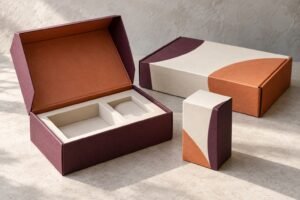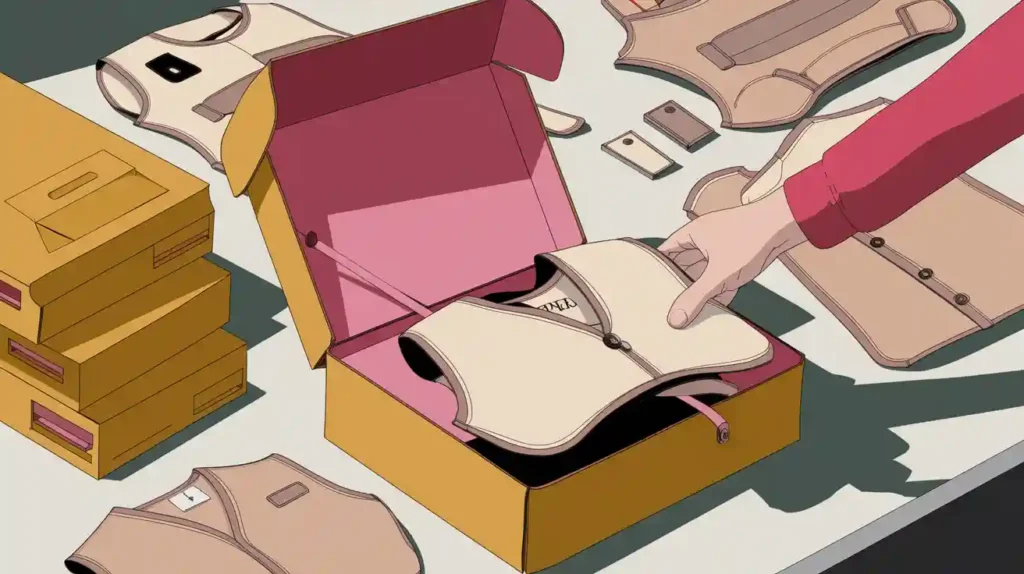
Custom vest packaging boxes hold folded vests, sleeveless tops or apparel sets for retail, gifting and delivery. Compare clothing gift boxes for presentation with corrugated mailer boxes for parcel delivery; specify any protective liner or wrap around the garment.
To request custom apparel packaging, share folded garment dimensions, quantity per box, order quantity, artwork and destination. Standard production starts at 1,000 units per design. For U.S. retail projects, review the FTC clothing and textile labeling guidance when finalizing garment information.
Personalization in vest packaging uses digital printing and data analytics to tailor each box.
Transparent packaging lets shoppers see the product, building trust and helping them make informed choices.
Impact Aspect | Description | Supporting Data/Insight |
|---|---|---|
Perceived Product Value | Custom packaging can raise value by up to 45% compared to generic boxes. | Brands attract more buyers and can charge higher prices. |
Brand Recognition | Custom designs help shoppers remember and trust the brand. | This leads to repeat purchases and higher sales. |
Emotional Engagement | Colors and shapes in packaging trigger quick, positive feelings. | These reactions drive sales faster than rational thought. |
Consumer Values Appeal | Eco-friendly packaging appeals to those who care about sustainability. | This builds loyalty and aligns with consumer values. |
Key Takeaways
Custom vest packaging protects products while making them look attractive and trustworthy to customers.
Brands can personalize packaging with unique designs, eco-friendly materials, and display windows to boost recognition and loyalty.
Well-designed packaging improves the unboxing experience, supports marketing efforts, and helps brands stand out in retail and online sales.
Custom Vest Packaging Features
Display and Visual Appeal
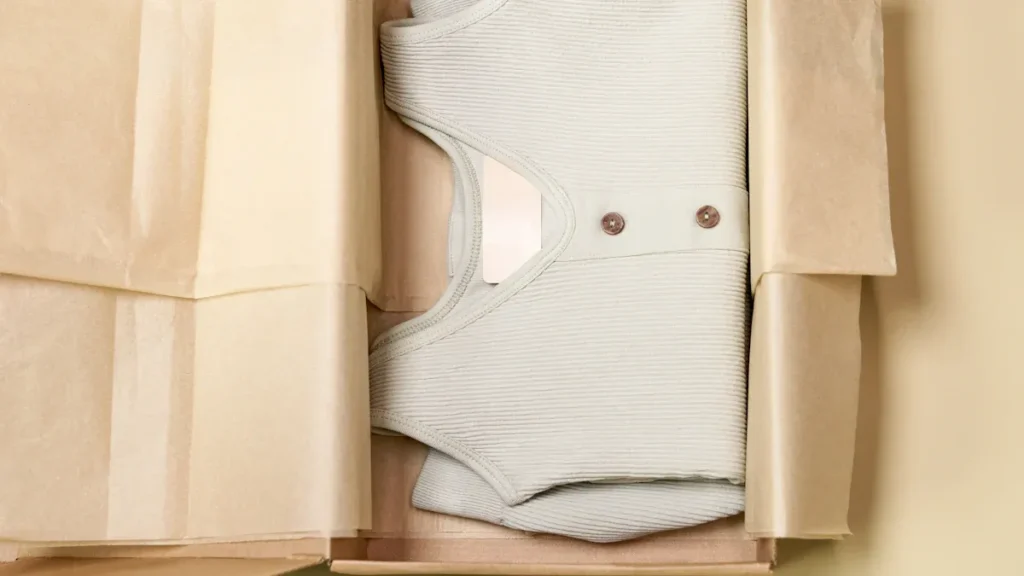
Vest packaging often features display windows that allow customers to see the actual product inside. This approach builds trust and helps shoppers make informed choices. Display boxes catch attention by offering a glimpse of the vest, adding a clean and attractive look that stands out on retail shelves. Many vest packaging ideas use clear plastic or perforated cardboard windows, which highlight the color, size, and quality of the vest. These windows not only boost shelf appeal but also support brand visibility and sales. Packaging with display features often uses eco-friendly materials, appealing to environmentally conscious buyers.
Tip: Display windows and creative shapes can make vest packaging ideas more memorable and engaging for customers.
Customization Options
Brands can choose from a wide range of customization options for vest packaging. Sizes and shapes vary, including square, pillow, and gable-style boxes. Printing techniques such as offset, digital, and screen printing allow for detailed graphics and vibrant colors. Finishing touches like gloss, matte, spot UV, embossing, and foil stamping add texture and luxury. Materials include eco-friendly kraft, cardboard, corrugated, and rigid stock. Customization also covers die cutting, gluing, scoring, and perforation, making each box unique. These options help brands create packaging that protects the vest and enhances the unboxing experience.
Customization Aspect | Details |
|---|---|
Sizes & Shapes | Custom, square, pillow, gable-style |
Printing | Offset, digital, screen, CMYK, PMS |
Finishes | Gloss, matte, spot UV, embossing, foil |
Materials | Kraft, cardboard, corrugated, rigid |
Extras | Die cutting, inserts, ribbons |
Branding Elements
Effective vest packaging uses branding elements to increase recognition and loyalty. Most boxes display the brand logo, name, and tagline. Color schemes match the brand’s identity, while clear typography ensures product information is easy to read. Some packaging includes retail hang tags, QR codes, or even augmented reality features for added engagement. High-quality printing and sustainable materials reinforce brand values and create a polished look. Consistent use of logos, colors, and messaging helps customers remember the brand and encourages repeat purchases. Packaging that aligns with brand identity not only attracts attention but also builds trust and emotional connections with buyers.
Vest Packaging Uses and Benefits
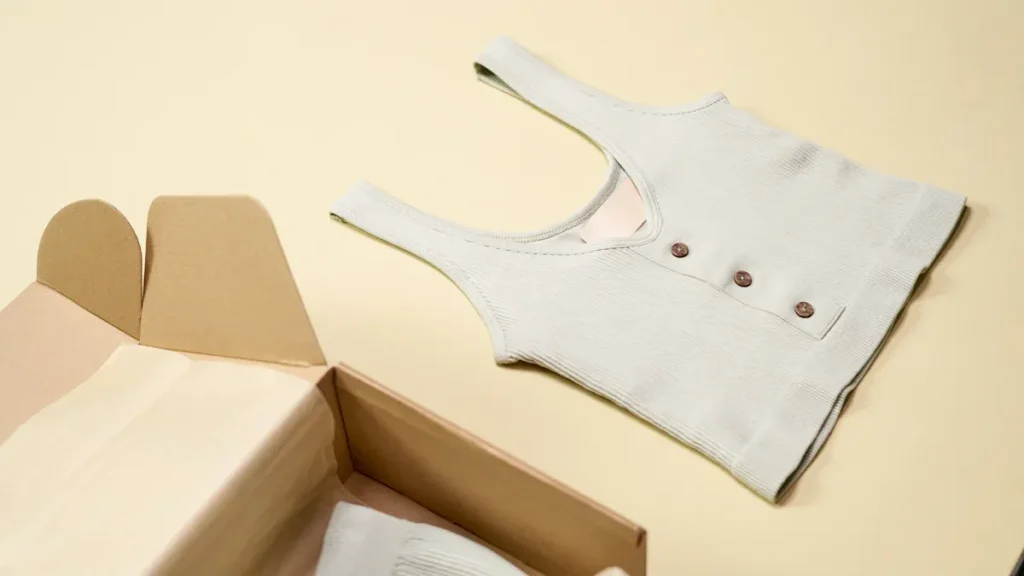
Product Protection
Vest packaging plays a crucial role in keeping vests safe from damage, dust, and environmental factors. Brands use different materials to ensure the best protection for their products. The table below shows how each material helps protect vests during shipping and handling:
Material Type | Protective Role and Features |
|---|---|
Cardboard | Provides basic protection against dust, moisture, and minor physical impacts. |
Corrugated Cardboard | Offers enhanced durability and cushioning to absorb shocks during shipping and handling. |
Kraft Paperboard | Eco-friendly option that protects against dust and moisture while maintaining structural integrity. |
Rigid Material | Strong and sturdy, prevents deformation and physical damage to the vest inside. |
Paperboard | Lightweight yet protective, guards against wrinkles and minor impacts. |
Metalized Cardboard | Adds an extra layer of protection against moisture and air, preserving the vest's condition. |
Custom vest packaging boxes are often designed to fit the vest perfectly, which prevents movement inside the box and reduces the risk of damage. Many companies ship these boxes through reliable carriers like FedEx, DHL, and UPS, using insured freight options to ensure that both the packaging and the vests arrive in excellent condition.
Dynamic Volumetrics — Eliminating "Pressure-Induced Permanent Creases"
Due to zippers, buttons, or padding, the folded thickness of a vest is highly uneven. Standard boxes create localized high pressure, leading to irreversible fabric creases.
Variable-Pressure Distribution Structure: We design “intelligent buffer gradients” inside the box, utilizing the paper’s flexibility to automatically adapt to the vest’s undulating form.
DIM Weight Optimization: We utilize topological optimization to reduce packaging redundancy, ensuring the packaging volume is minimized while maintaining protection,This helps D2C brands save approximately 15% in shipping costs within the 2026 logistics ecosystem.
Bio-preservation Engineering — Guarding the "Fabric's Original Soul"
pH-Neutral Anti-oxidation Lining: We utilize acid-free substrates across all lines, ensuring the contact interface between packaging and fabric maintains a pH ≈7.0. This eliminates “contact yellowing” for light-colored vests during 12-month inventory cycles.
Molecular-level Anti-snagging Surface: Addressing common metal buttons and precision stitching, we apply nano-scale flattening to die-cut edges, ensuring expensive fabrics never snag on paper burrs during unboxing.
Note: Using the right material and box size helps keep vests in pristine condition, reducing returns and customer complaints.
Retail and E-Commerce Applications
Vest packaging serves many purposes in both retail stores and online sales. In retail, these boxes often feature display windows or unique shapes that make the product stand out on shelves. Retailers use vest packaging to present sleeveless undershirts and overshirts attractively, protect them from wear and tear, and boost brand image through custom printing and die-cutting. Some popular vest packaging ideas include two-piece boxes, sleeves, and shoulder boxes, all designed to improve product visibility and create a memorable shopping experience.
In e-commerce, custom vest packaging helps brands deliver products safely while creating a premium unboxing experience. E-commerce businesses benefit from custom packaging by aligning the physical box with their digital marketing, improving customer satisfaction, and encouraging repeat purchases. Lightweight and eco-friendly boxes help reduce shipping costs and support sustainability goals. Many brands add personalized touches, such as branded tissue paper or stickers, to enhance the unboxing moment and encourage customers to share their experiences on social media.
Right-sized boxes lower shipping costs and improve efficiency.
Eco-friendly options appeal to environmentally conscious shoppers.
Material Choices
The choice of material affects both the protection and the appearance of vest packaging. Brands often select materials that balance strength, sustainability, and cost-effectiveness. The table below highlights popular material options:
Material | Description and Key Features |
|---|---|
Cardboard | Lightweight, easy to print, moldable into various shapes. |
Kraft | Eco-friendly, brown paper-like, made from wood pulp. |
Corrugated | Fluted for enhanced strength, ideal for shipping. |
Rigid | Thick, strong, and luxurious presentation. |
Chipboard | Durable and sturdy material option. |
Bux Board | Sturdy paperboard used for packaging. |
Cardstock | Lightweight, customizable, suitable for printing. |
Many brands choose eco-friendly materials like kraft and corrugated cardboard because they are biodegradable and recyclable. Protective coatings, such as aqueous or UV coatings, lamination, and anti-scratch finishes, add durability and keep the packaging looking new. The trend toward sustainable packaging continues to grow, with more companies adopting recycled and recyclable materials to meet consumer demand and comply with regulations.
Tip: Eco-friendly packaging not only protects the product but also improves brand image and customer satisfaction. Studies show that 27% of consumers avoid retailers without sustainable packaging, and 41% are more likely to repurchase due to branded, eco-friendly packaging.
Marketing and Brand Recognition
Custom vest packaging acts as a powerful marketing tool for apparel brands. It does more than just protect the product; it communicates brand values and creates a memorable experience for customers. The table below shows how vest packaging supports marketing and brand recognition:
Marketing Aspect | Description |
|---|---|
Brand Identity | Logos, taglines, and brand colors make the brand recognizable and memorable. |
Product Protection | Durable materials increase perceived value and trust. |
Aesthetic Appeal | Unique shapes and trendy styles help products stand out on shelves. |
Visual Attraction | Embossing, foil stamping, and display windows create eye-catching packaging. |
Marketing Medium | Packaging serves as a direct marketing tool, supporting visibility and sales growth. |
A well-designed vest packaging box creates a strong first impression and enhances the unboxing experience. Customers often share attractive packaging on social media, increasing brand exposure. Consistent use of branding elements builds trust and encourages repeat purchases. Custom packaging also allows brands to justify premium pricing by elevating the perceived value of their products.
Brands that invest in custom vest packaging see measurable benefits, such as higher customer retention, increased social media engagement, and reduced product returns. Packaging is not just a container—it is a key part of the product experience and a driver of business success.
Custom vest packaging offers apparel brands protection, standout presentation, and strong brand identity.
It helps products stay safe and look appealing.
Customization and eco-friendly materials boost customer loyalty.
Brands should explore expert resources to design packaging that fits their needs and supports business growth.
FAQ
In the luxury tier, the box is the first layer of the garment
Given the strict 2026 eco-audits, how do you solve the plastic handle issue?
Yihong Box developed Integrated Paper Reinforcements. Through specialized fiber-interweaving, the tensile strength supports a 5kg load while remaining 100% recyclable, fully complying with global ESG entry standards.
How do you prevent "mid-section collapse" in large, flat vest boxes during logistics stacking?
Yihong Box employs Bridge-arch Pre-stressing technology. We introduce a minute outward curvature during lid die-cutting; when external pressure $P$ is applied, this structure converts vertical force into lateral thrust directed toward the sidewalls, ensuring the lid never touches the internal vest even under 15 kg of stacking pressure.
How do your vest boxes achieve "de-plasticization" in compliance with the 2026 EU PPWR?
Yihong Box has discarded all BOPP plastic lamination in favor of Bio-based Macromolecular Coatings. This coating provides luxury tactile feel and luster while remaining fully separable or degradable during recycling. This allows your vest packaging to enter global curbside recycling systems 100%, eliminating green tariff risks.
For functional sports vests, how does the packaging handle "odor accumulation"?
We introduce Activated Carbon Micro-coating solutions. By embedding molecular filtration layers on the interior, we effectively adsorb “new garment smells” or trace moisture caused by airtight packaging, ensuring a fresh unboxing experience.
Premium waistcoats are prone to dust and static; how does your packaging solve this sensory pain point?
We implement an Active Charge-Neutralizing Interface. By laminating a nano-scale conductive fiber layer to the interior, we rapidly dissipate static generated by friction. This prevents the “clinging” sensation of the fabric and effectively repels airborne dust, ensuring the vest remains lab-clean upon unboxing.
Vests' zippers or metal buttons easily scratch the box interior, leading to bad reviews; how do you handle this?
We developed Local Hardness Reinforcement. In areas where metal hardware may contact the box, we apply a high-Mohs-hardness aqueous curing coating. This design boosts interior scratch resistance while maintaining overall box flexibility, ensuring the interior remains pristine after a turbulent journey.