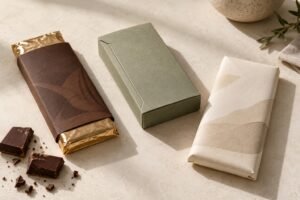
Hemp packaging procurement brief
Hemp-based packaging should be specified by verified fiber content, board thickness, print surface, coating, product-contact requirements and disposal claim. Do not rely on a generic eco label: confirm whether the selected sheet is recyclable, compostable or certified biobased for the intended market and end use.
YiHongBox can combine hemp or mixed-fiber papers with custom paper packaging, premium rigid box structures and protective box inserts from MOQ 1,000, with samples and DDP delivery. Review the USDA BioPreferred catalog when substantiating biobased claims, then provide product weight, dimensions, print coverage and target certification.
Hemp boxes use hemp fibers to create a durable, biodegradable option for packaging. The sustainable packaging market continues to expand, reaching over $310 billion in value and growing rapidly. Consumers, especially younger ones, now demand eco-friendly packaging. Hemp packaging meets these needs, offering strength, versatility, and environmental benefits.
Key Takeaways
Hemp boxes use strong, eco-friendly materials that break down quickly and help reduce waste.
Many industries, especially food, cosmetics, and cannabis, choose hemp packaging to protect products and attract eco-conscious customers.
Hemp packaging supports the environment by using renewable resources, lowering carbon footprints, and offering easy recycling or composting options.
Hemp Boxes
Materials
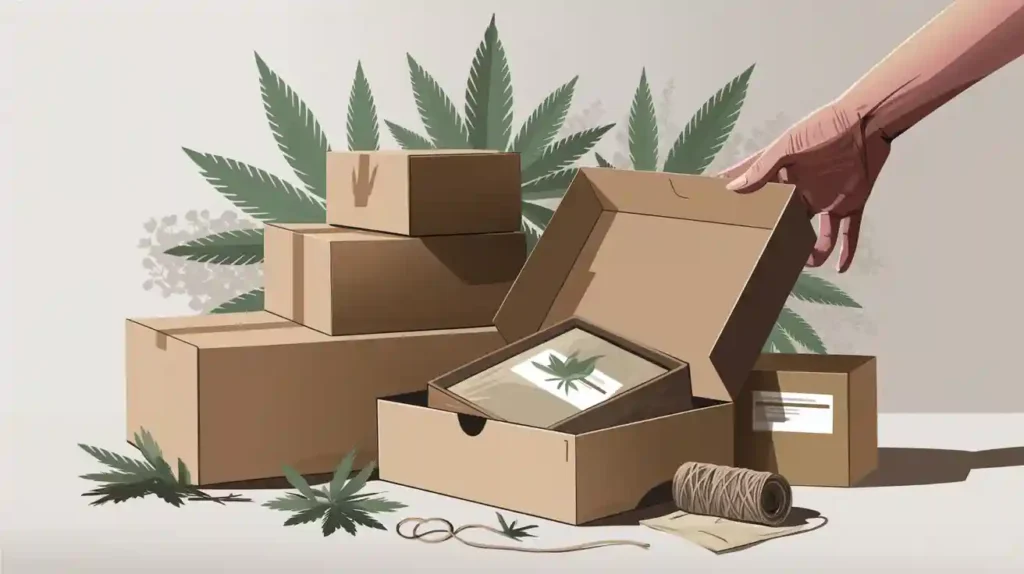
Hemp boxes use fibers from the hemp plant to create strong, eco-friendly packaging. Manufacturers blend hemp fibers with materials like kraft paper, cardboard, and corrugated board. These blends produce packaging that is both biodegradable and durable. Common materials for hemp packaging include:
Cardboard: Flexible, cost-effective, and easy to print for branding.
Corrugated board: Offers extra strength with fluted layers, ideal for shipping heavier products.
Kraft paper: Features a natural brown color and rustic look, appealing to climate-conscious consumers.
Some companies use hemp paper, hemp plastic, and hemp composites for specialized packaging needs. The table below compares their properties:
Material Type | Key Properties |
|---|---|
Hemp Paper | High tensile strength, good density, excellent breathability, and transparency |
Hemp Plastics | Improved impact strength, thermal stability, UV-shielding, and reduced water vapor permeability |
Hemp Composites | Superior mechanical strength, reduced water absorption, and enhanced durability |
Features
Hemp boxes stand out in the sustainable packaging market for several reasons. They offer superior durability and can withstand pressure during shipping and storage. Hemp packaging is biodegradable and compostable, which helps reduce environmental impact. These boxes support recyclability and can be customized into various shapes, sizes, and designs. Custom hemp packaging allows brands to choose from different materials, printing methods, and finishes, such as matte or gloss lamination, embossing, and eco-friendly inks.
Hemp packaging appeals to eco-conscious consumers and helps businesses build a distinctive brand identity.
Innovations in hemp packaging technology include lightweight papers, organic unbleached fibers, and improved barrier properties for product preservation. When treated with protective coatings, hemp boxes resist moisture and help keep products fresh. These features make hemp boxes a leading choice for eco-friendly packaging solutions.
The "Tensile Intelligence" of Long-Chain Fibers — Surpassing the Limits of Wood Pulp
Hemp fibers are significantly longer and tougher than those of softwood or hardwood. Yihong Box leverages this “Biomechanical Advantage” to achieve a qualitative leap in physical performance without increasing grammage.
High-Tensile Fiber Skeleton: Hemp fibers possess high cellulose content and longer molecular chains, leading to superior performance in bending and burst tests. This means that for premium spirits or heavy electronics, hemp packaging provides stronger protection with lower tare weight, unifying “lightweighting” and “high strength.”
Natural Antimicrobial “Bio-Active Barrier”: Hemp fibers inherently resist mold and pests. In the 2026 organic food and cosmetics market, this property reduces reliance on chemical preservatives and fundamentally extends product shelf life—a physical extension of the “Clean Label” philosophy.
Uses of Hemp Packaging
Applications
Hemp packaging has become a popular choice across several industries. Companies use hemp boxes for food, cosmetics, and especially in the cannabis and CBD sectors. The food industry leads in adopting hemp-based packaging, with over 39% of companies using it in 2024. This trend grows as consumers seek eco-friendly and sustainable packaging for their groceries and snacks. Cosmetic brands also turn to hemp for its durability and recyclability, especially in regions like Germany and the Middle East.
The cannabis industry stands out as the main adopter of hemp packaging. Many businesses use hemp plastics and hemp paper to package cannabis products. Brands such as Sana offer 100% plant-based hemp plastic packaging. Industrial sectors, furniture makers, and even automotive companies use hemp composites for packaging and parts. Building materials and biodegradable bags also benefit from hemp’s strength and environmental advantages.
Industry/Application Sector | Examples of Hemp Packaging Applications | Notes/Supporting Details |
|---|---|---|
Cannabis Industry | Packaging for cannabis products using hemp plastics and hemp paper | Leading adopter; companies like Sana use 100% plant-based hemp plastic |
Industrial Packaging | Bioplastics used in packaging, paneling, medical equipment | Hemp bioplastics integrate into existing plastic manufacturing |
Furniture | Hemp bioplastics used in furniture manufacturing | Composite hemp bioplastics improve strength and sustainability |
Automotive | Car panels made from hemp composites | Hemp fibers reinforce composites with strength like fiberglass |
Building Materials | Panels and other construction materials | Hemp-based bioplastics and composites used in building materials |
Biodegradable Bags | Bags made from hemp bioplastics | Fully biodegradable within six months |
Hemp packaging supports a circular economy by enabling local production and reducing carbon emissions.
Hemp Packaging for CBD Products
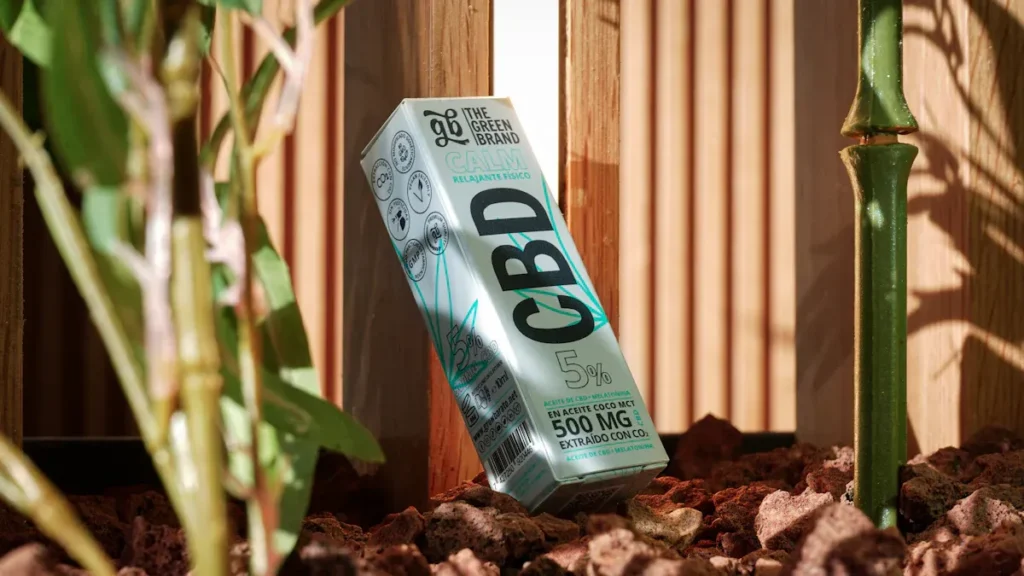
Hemp packaging for CBD products offers unique benefits. It protects sensitive CBD oils, tinctures, and edibles from light and moisture. This helps preserve product quality and extends shelf life. Using hemp boxes for CBD items also enhances brand image. Many CBD companies choose eco-friendly hemp packaging solutions to align with organic and sustainable values.
Hemp packaging uses natural and recycled materials, building a brand personality focused on sustainability.
It connects with customers who value eco-friendly packaging and natural products.
Brands gain credibility by showing commitment to authentic and sustainable practices.
Hemp packaging for CBD products helps companies stand out in a crowded market.
Thoughtful packaging fosters customer trust and loyalty.
CBD brands that use hemp boxes send a clear message about their dedication to the environment. This approach strengthens their reputation and attracts eco-conscious consumers.
Sustainability
Hemp packaging stands out for its sustainable qualities. Hemp grows quickly and requires less water and pesticides than many other crops. This makes it an ideal source for eco-friendly packaging. Hemp boxes are biodegradable and compostable, breaking down in three to six months under the right conditions. Unlike traditional plastics, which can take centuries to decompose, hemp packaging returns to the earth without leaving toxic residues.
Hemp paper can be recycled up to eight times, while wood pulp paper is recycled only about three times.
Hemp cultivation absorbs more carbon dioxide than it emits, making hemp packaging a net carbon-negative material.
Hemp packaging supports circular economy principles by being compostable, recyclable, and upcyclable.
Note: The biodegradability of hemp-based composites depends on their composition. Some blends with non-biodegradable polymers may not break down fully in natural environments.
Hemp packaging offers a straightforward end-of-life process. Consumers can compost, recycle, or reuse hemp boxes, which supports sustainability and reduces landfill waste.
Packaging as "Carbon Sinks" — Corporate Sovereignty in 2026
With carbon tariffs and ESG audits tightening, hemp packaging is more than a container; it is a brand’s “Carbon Credit Certificate.”
Efficient Carbon Sequestration:Industrial hemp absorbs Carbon dioxide four times more efficiently than forests during growth. When you choose hemp packaging, every box represents successful carbon sequestration.
Artisanal Tactile Narrative: The delicate texture and pale-yellow hues inherent to hemp fiber serve as a brand’s “silent” eco-manifesto. By preserving parts of the original fiber texture, Yihong Box allows consumers to feel the brand’s reverence for and reshaping of the earth the moment they touch it.
Comparison
Hemp boxes offer several advantages over traditional packaging materials. They are stronger and more durable than many paper-based options. Hemp packaging biodegrades much faster than plastic, which can persist in the environment for hundreds of years. Hemp is a renewable resource, grown annually, while plastics rely on fossil fuels.
Hemp packaging has a lower carbon footprint than both plastic and conventional paper.
Hemp cultivation helps reduce deforestation by replacing wood-based paper.
Hemp plastics break down naturally and do not leave toxic residues.
Hemp boxes can be recycled more times than wood pulp paper, maintaining strength and quality.
Feature | Hemp Packaging | Traditional Packaging |
|---|---|---|
Biodegradability | 3–6 months | Plastics: 500+ years |
Recyclability | Up to 8 times (paper) | 3 times (wood pulp paper) |
Carbon Footprint | Net carbon-negative | High (plastics, paper) |
Resource Renewability | Annual crop | Fossil fuels, trees |
End-of-life Options | Compost, recycle, reuse | Landfill, downcycle |
Hemp packaging also supports eco-friendly and sustainable packaging goals better than most conventional options.
Challenges
Despite its benefits, hemp packaging faces several challenges. Production costs remain higher than those for traditional plastics, mainly due to limited supply and smaller-scale manufacturing. Hemp packaging currently costs 10–30% more upfront, but prices are dropping as new processing methods and local farming models improve efficiency.
Limited availability of hemp raw materials affects scalability.
The hemp industry’s supply chain remains fragmented, making it hard for manufacturers to source consistent quality materials.
Regulatory complexities around hemp cultivation and use add to the challenge.
Businesses must invest in research and development to ensure hemp boxes meet durability and compliance standards.
Consumer education is needed to address misconceptions about hemp and its legal status.
Hemp and marijuana are not the same. Hemp contains less than 0.3% THC and is legal under federal law.
Logistics and supply chain issues also play a role. Transportation, regional processing limitations, and the need for specialized equipment can increase costs and carbon emissions. As the hemp industry matures, these challenges are expected to decrease, making eco-friendly hemp packaging solutions more accessible for businesses.
Hemp packaging offers businesses and consumers many advantages.
Hemp boxes decompose quickly, reducing landfill waste and supporting sustainability.
Hemp packaging uses renewable resources and strengthens brand reputation.
Hemp packaging meets consumer demand for eco-friendly solutions and drives sales.
Hemp packaging will likely grow as regulations and technology improve.
FAQ
Does hemp fiber packaging have a distinct herbal odor?
Through our “Fiber Neutralization Treatment,” we remove lingering odors from raw lignin while preserving structural integrity. The final product offers a clean scent profile similar to premium stationery, ensuring no interference with the fragrance of perfumes or gourmet foods.
How efficient is the recycling process for this packaging?
Hemp fiber is exceptionally durable, with a recycling lifespan (up to 7+ times) far exceeding ordinary wood pulp (around 3 times). This means your packaging continues to generate environmental value long after entering the circular economy, aligning perfectly with 2026 global circular economy standards.
What specific compliance support can hemp packaging provide against the increasingly strict 2026 Carbon Border Adjustment Mechanism (CBAM)?
Hemp packaging is the “nuclear option” for carbon audits. We provide Life Cycle Assessment (LCA) reports for every batch. Due to the high carbon sequestration efficiency of hemp crops, this packaging typically offsets your product’s carbon emissions significantly. In many jurisdictions, this not only passes compliance audits but may also convert into tradable carbon reduction credits.
Given the higher toughness, does hemp packaging support complex foiling or 3D embossing?
In fact, the long-chain structure of hemp fiber better accommodates high-pressure hot stamping and deep embossing without fracturing. This grants designers greater creative freedom, allowing eco-packaging to possess a visual depth comparable to luxury gift boxes.
How does hemp fiber packaging perform in terms of "moisture resistance" during long-distance sea freight?
Thanks to its natural porous structure and high cellulose strength, hemp fiber possesses superior “Dimensional Stability” compared to traditional wood pulp under fluctuating humidity. We apply bio-based hydrophobic layers to ensure the packaging doesn’t soften due to moisture absorption across different climate zones. Its anti-collapse capability is approximately 20% higher than standard corrugated paper, significantly reducing cargo damage rates in ocean freight.
What is the advantage of hemp boxes' "Folding Endurance" compared to regular paperboard?
Hemp fibers are 3 to 4 times longer than wood fibers, granting the paper exceptional toughness. In lab tests, the folding endurance of hemp paperboard is over 5 times that of wood pulp. This ensures that in frequently opened gift box structures (like magnetic or hinged boxes), the hinges will never suffer from fiber fracture or white edges, maintaining a perfect brand image throughout the product’s lifecycle.