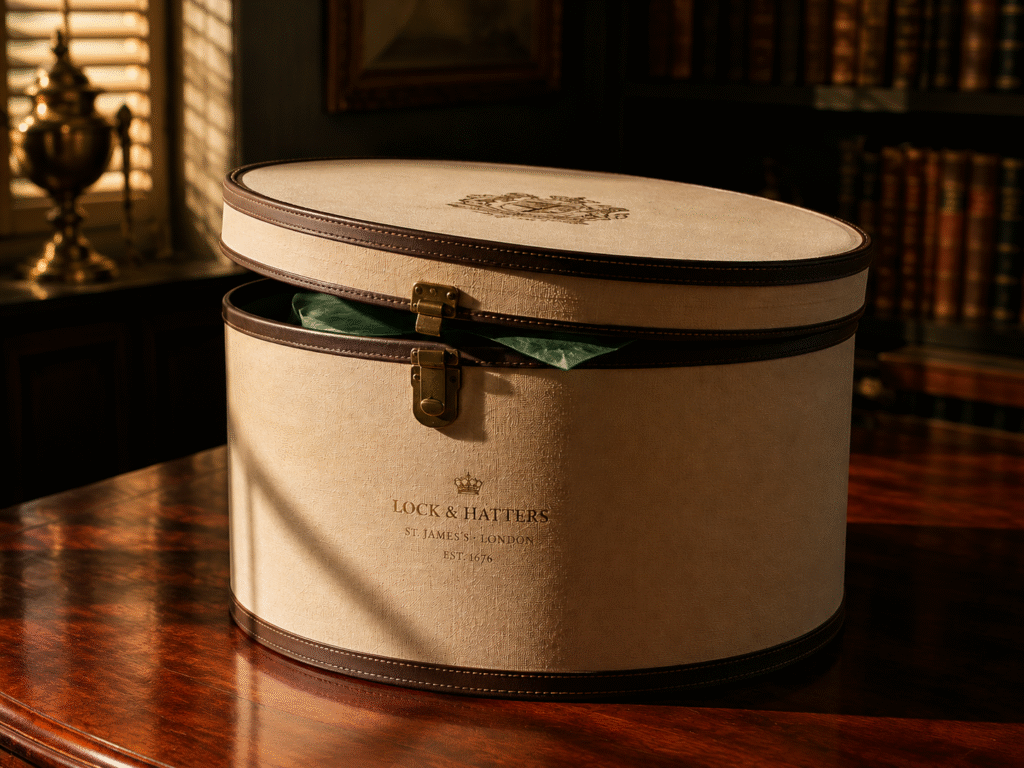
I.Introduction: A "Naked" Hat Loses its Magic
Imagine this scenario: Your customer has just spent $200 on a beautifully crafted, artisan-made wool fedora. They wait eagerly for three days. The package arrives. But instead of a presentation worthy of the price tag, the hat is stuffed inside a generic, slightly crushed corrugated box, wrapped only in a suffocating, static-cling plastic polybag.
At that exact moment, the psychological perceived value of your $200 hat plummets to $20.
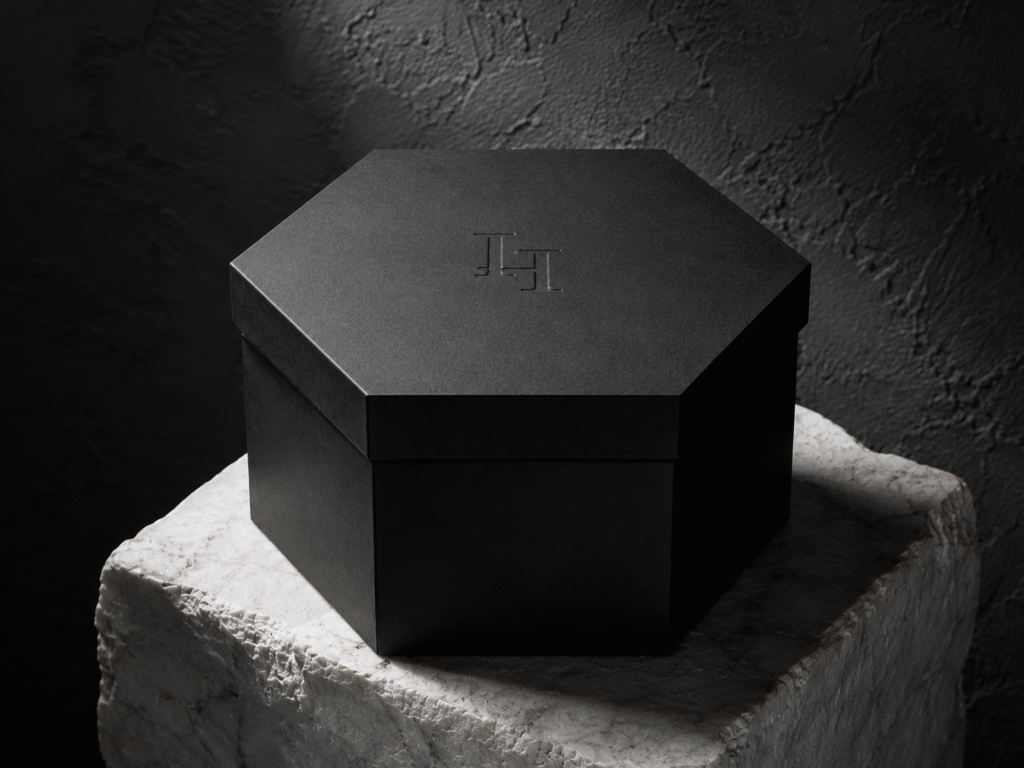
This is the brutal reality of high-end e-commerce: You are not just selling a product; you are selling a feeling.
II. Neuro-marketing: Wearing a hat is routine, opening a gift box is a "coronation"
To understand why hat packaging requires a dramatically higher budget than standard apparel packaging, we must look at neuromarketing and human history.

1.The Highest Point of Power
Unlike a pair of socks or a t-shirt, a hat sits on the highest point of the human body: the head. Historically, headwear has always been the ultimate symbol of power, status and prestige—from royal crowns to military caps and aristocratic top hats.
Your customer’s brain subconsciously still holds this evolutionary bias. Therefore, the container that houses the hat must project a sense of reverence and protection. If the packaging feels cheap, the brain instinctively rejects the item inside as unworthy of “crowning” the wearer.
2. Delayed Gratification and the Dopamine Spike
The magic of a luxury hat box lies in its ability to manipulate the neurochemical response of the unboxing experience.
The Ritual : When a customer receives a massive, beautifully structured hat box, their brain begins releasing dopamine (the anticipation chemical) long before they even touch the hat.
The Climax : By designing the box to open slowly, layering it with custom tissue paper, and presenting the hat perfectly elevated on an inner pedestal, you are utilizing the psychological principle of Delayed Gratification . You are turning a mundane Tuesday afternoon package delivery into a solemn “coronation” ceremony.
When the hat is finally revealed, the brain has already concluded that it is a masterpiece.
III.The Renaissance of the Round Hat Box: The Ultimate "Old Money" Symbol
When it comes to premium millinery, the shape of the box is just as important as the material. While square or rectangular boxes are the default for global e-commerce, the Round Hat Box ( Bandbox) remains the undisputed king of luxury packaging.
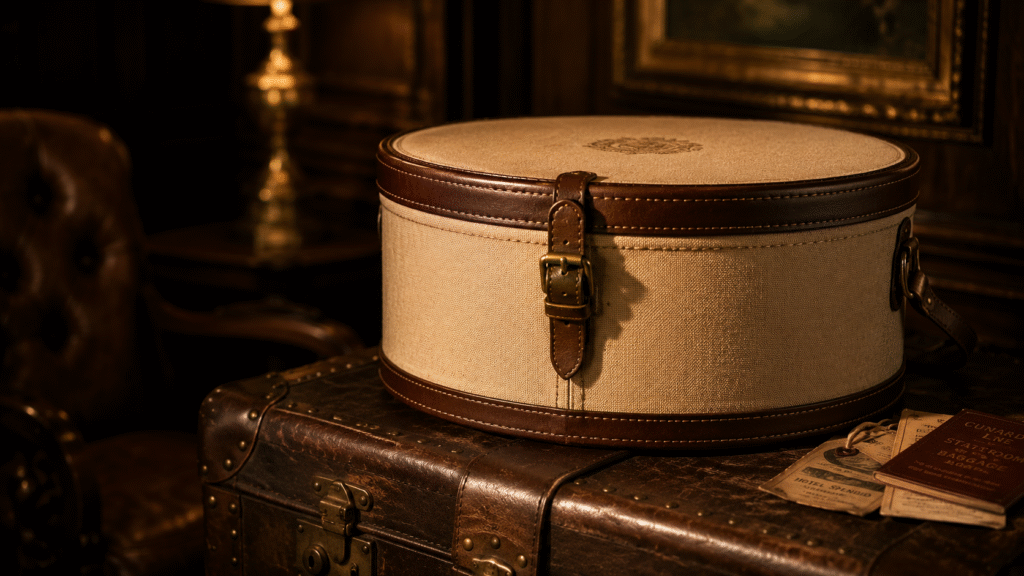
1. The Cultural Capital of the Golden Age
The round hat box carries immense historical weight. In the late 19th and early 20th centuries—the “Golden Age of Travel”—aristocrats and socialites didn’t stuff their hats into suitcases. They carried bespoke, leather-trimmed round bandboxes—historical artifacts now preserved in institutions like The Met Museum—onto luxury steamships like the Titanic and trains like the Orient Express.
By utilizing a round structure today, you instantly borrow a century’s worth of cultural capital. You don’t need to explicitly tell the customer your brand is luxurious; the silhouette of the box whispers “Old Money” and timeless elegance before they even read your logo.
2. Visual Symbolism: Square vs. Round
| (Evaluation Metric) | (Standard Square Box) | (Vintage Round Hat Box) |
| (First Impression) | (Industrial, mass-produced, utilitarian) | (Bespoke, exclusive, artifact) |
| (Subconscious Cue) | (Amazon deliveries, everyday goods) | (Luxury boutiques, Haute Couture, Old Money) |
| (Unboxing Motion) | (Tearing tape, ripping open) | (Untying ribbon, lifting lid with both hands) |
| (Lifecycle) | (Trash bin immediately) | (Kept for home decor/storage) |
IV.Visual Volumetrics: The Psychology of Space
There is a deeply ingrained cognitive bias in the human brain: We equate massive physical space with immense financial value.
Many D2C brands panic when they see the dimensions of a proper hat box. Because hats are mostly empty space, shipping a custom rigid hat box incurs high Dimensional Weight (DIM Weight) shipping costs, calculated by carrier rules such as those at FedEx. The instinct is to crush the hat slightly, fold it, or cram it into the smallest possible box to save $5 on shipping. This is a fatal marketing error.
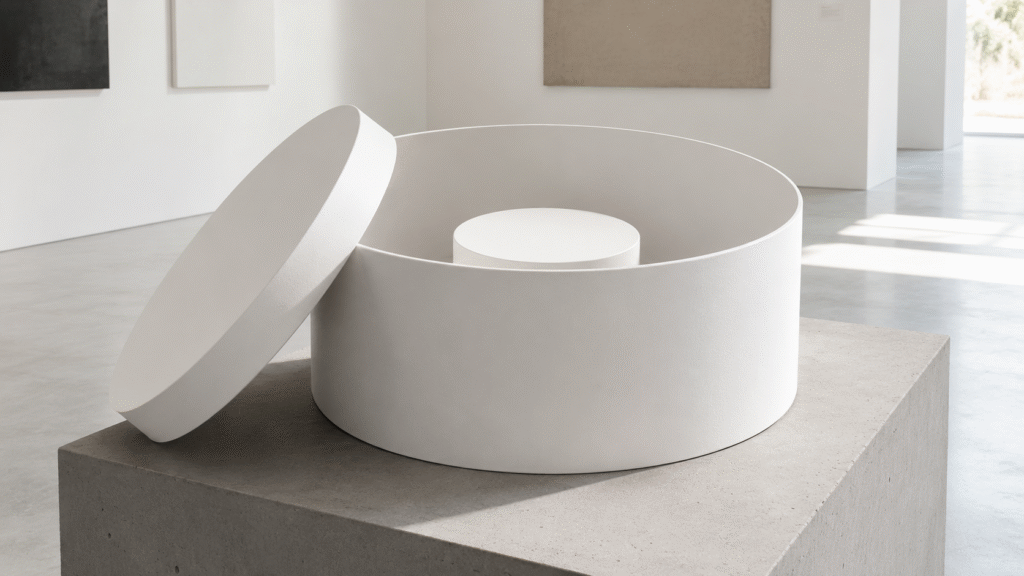
1. The Luxury of Empty Space
In the luxury sector, space is a premium commodity. Think of a high-end art gallery: a single painting hangs on a massive, empty white wall. The same principle applies to your hat box.
“If you squeeze a $200 fedora into a tight box to save on logistics, you are visually telling the customer the product is cheap. But when you place that same hat in a massive, deep hat box with three inches of breathing room around the brim, you are framing it as a priceless artifact.”
2. Physical Presence and Psychological Anchoring
When a massive hat box is placed on a table, it commands attention.
(Dominating Visual Real Estate): A large box physically alters the room’s environment. It feels like an event. This sheer size overwhelms the logical brain and triggers an emotional response.
(The ROI of “Air”): Yes, shipping “air” costs more. But if that large box allows you to price your hat at $250 instead of $180, while simultaneously dropping your return rate to near zero because the hat arrives in immaculate condition, that “air” becomes the highest-ROI investment in your entire supply chain.
V.Tactile Foreplay: From Handle to Ribbon
If the visual size of the box captures the customer’s attention, the tactile feedback of the box confirms its value. In neuromarketing, the moment a customer physically touches your packaging is the exact moment they subconsciously finalize the product’s worth.
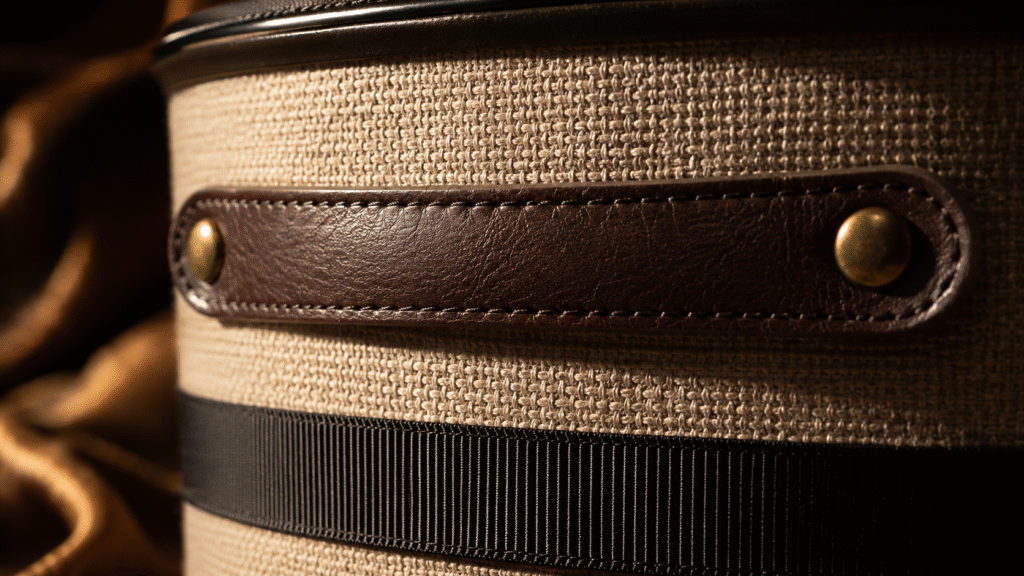
1. The First Touchpoint: Handles and Weight
For a large hat box, the customer’s first physical interaction is usually picking it up by a handle or untying a closure.
(The Magic of Leather Handles): Attaching a cheap plastic or flimsy rope handle to a premium hat box is a critical error. By integrating a Genuine Leather Handle or premium custom ribbons with heavy brass rivets, you immediately communicate craftsmanship. The cold touch of the metal and the soft, textured grip of the leather tell the brain: “This is a piece of premium luggage, not just a disposable cardboard box.”
2. Ribbons and Surface Textures
Once the box is on the table, the fingertips take over the exploration.
(Heavy Grosgrain Ribbon): Using a wide, thick grosgrain ribbon to secure the box creates physical friction. The texture requires intention and focus to untie, forcing the customer to slow down and immerse themselves in the unboxing ritual.
(The Temperature of Specialty Paper): Flat, glossy paper feels cold and mass-produced. Wrapping your rigid hat box in Uncoated Linen-Textured Paper or other specialty materials adds a layer of organic warmth, mimicking the premium fabrics (like wool or felt) used in the hat itself.
VI.Auditory Cues: The Sound of Luxury
When discussing tactile packaging, we often overlook the sense that is inextricably linked to touch: Hearing. The sound a box makes when it is handled, opened, and closed sends immediate signals to the brain about its structural integrity.
“Luxury sounds deliberate, muted, and solid. Cheapness sounds hollow, high-pitched, and scratchy.”
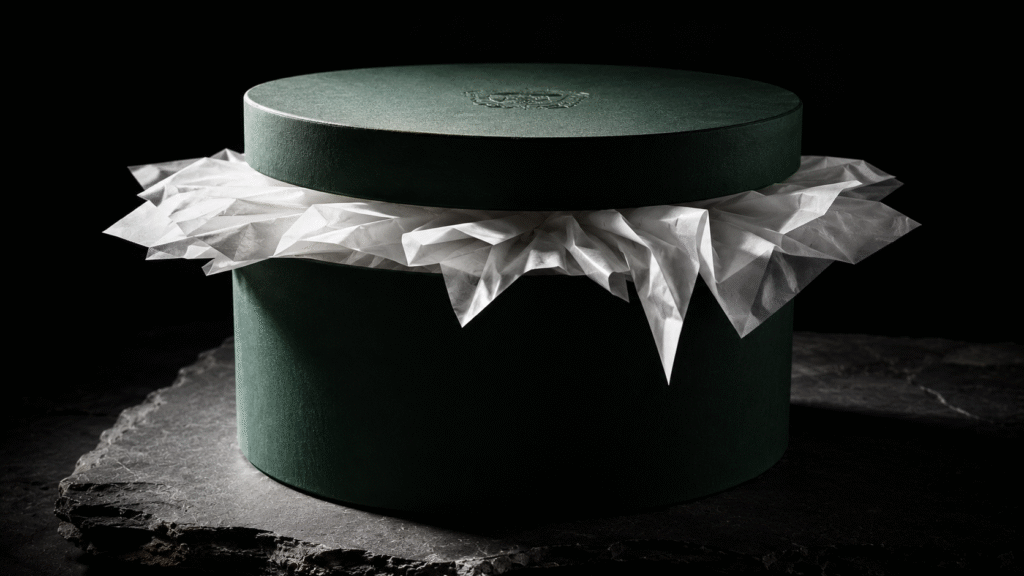
1. Damping and Air Friction
When a customer removes the lid of a tightly fitted round hat box, it shouldn’t just pop off effortlessly.
(The Muted “Whoosh”): Because a premium hat box has microscopic tolerances between the base and the lid, lifting the lid creates a temporary vacuum. The sound of the air struggling to enter the box creates a deep, low-frequency “whoosh” or gliding sound. This acoustic dampening effect mimics the sound of closing a luxury car door. It neurologically communicates precision engineering and absolute protection.
2. The Crisp Symphony of Tissue Paper
Once the lid is removed, the auditory experience transitions from deep and heavy to crisp and delicate.
(Awakening the Senses): A high-end fedora should never be sitting naked inside the box. It must be shrouded in layers of custom-printed tissue paper. The physical act of brushing aside or tearing the tissue paper creates a sharp, crisp rustling sound . This high-frequency sound acts as an auditory stimulant, triggering an immediate spike in anticipation just seconds before the hat is finally revealed.
VII.The Inner Architecture: Floating the Crown
A premium hat is not a flat garment; it is a three-dimensional soft sculpture. If you place a soft wool fedora directly on the flat bottom of a box, gravity and transit vibrations will inevitably flatten the brim and warp the crown.
The solution lies in packaging architecture. You must engineer a system that defies gravity.
1. Museum-Grade "Floating" Display
The golden rule of hat packaging is that the hat should never support its own weight during shipping.
🏛️ (The Mechanics of Suspension): > Instead of letting the hat rest on its brim, We design a custom inner pedestal (such as a rigid cardboard cylinder or custom molded pulp insert). The hat’s crown sits securely over this pedestal, suspending the brim completely in mid-air. When the customer opens the box, the hat looks like a priceless artifact floating in a museum display case.
2. Protection & Display Matrix
A perfectly engineered hat box addresses the two most vulnerable parts of the hat simultaneously without compromising aesthetics.
| (Vulnerable Area) | (Common Cause of Damage) | (Architectural Solution) | (Visual Impact) |
| (The Brim) | It was deformed due to being squeezed at the bottom of the box or impacted from the sides. | 360-degree physical blank space: Ensure that the edge of the brim has an absolute clearance of at least 1-2 inches from the inner wall of the outer box. | Extremely spacious design, highlighting the grandeur and luxury of the product. |
| (The Crown) | The top was under excessive pressure, resulting in a collapse and depression of the building. | Anti-collapse top cover plate: Add a layer of high-weight corrugated top support inside the box cover, or use cross-shaped slots to lock the top space. | As soon as the box was opened, the hat maintained an absolutely perfect 3D upright posture. |
VIII.Micro-Frictions in Unboxing: Engineering the Flow State
In standard e-commerce logistics, efficiency is everything. The goal is “frustration-free packaging” that can be ripped open in one second. In luxury e-commerce, the exact opposite is true.
To maximize the perceived value of your hat, you must intentionally introduce Micro-Frictions, a concept often used in UX design to increase cognitive engagement (Nielsen Norman Group). These are elegantly designed physical barriers that slow down the unboxing process, forcing the customer into a state of mindful focus, akin to the psychological concept of Flow State pioneered by Mihaly Csikszentmihalyi.
1. The Art of Friction
If a box opens too easily, the brain categorizes the content as cheap. By making the customer work slightly for the reveal, you trigger the psychological principle of Effort Justification—we value things more when we invest effort into obtaining them.
2. The Unboxing Flow State Blueprint
A luxury hat unboxing should play out like a well-paced three-act play.
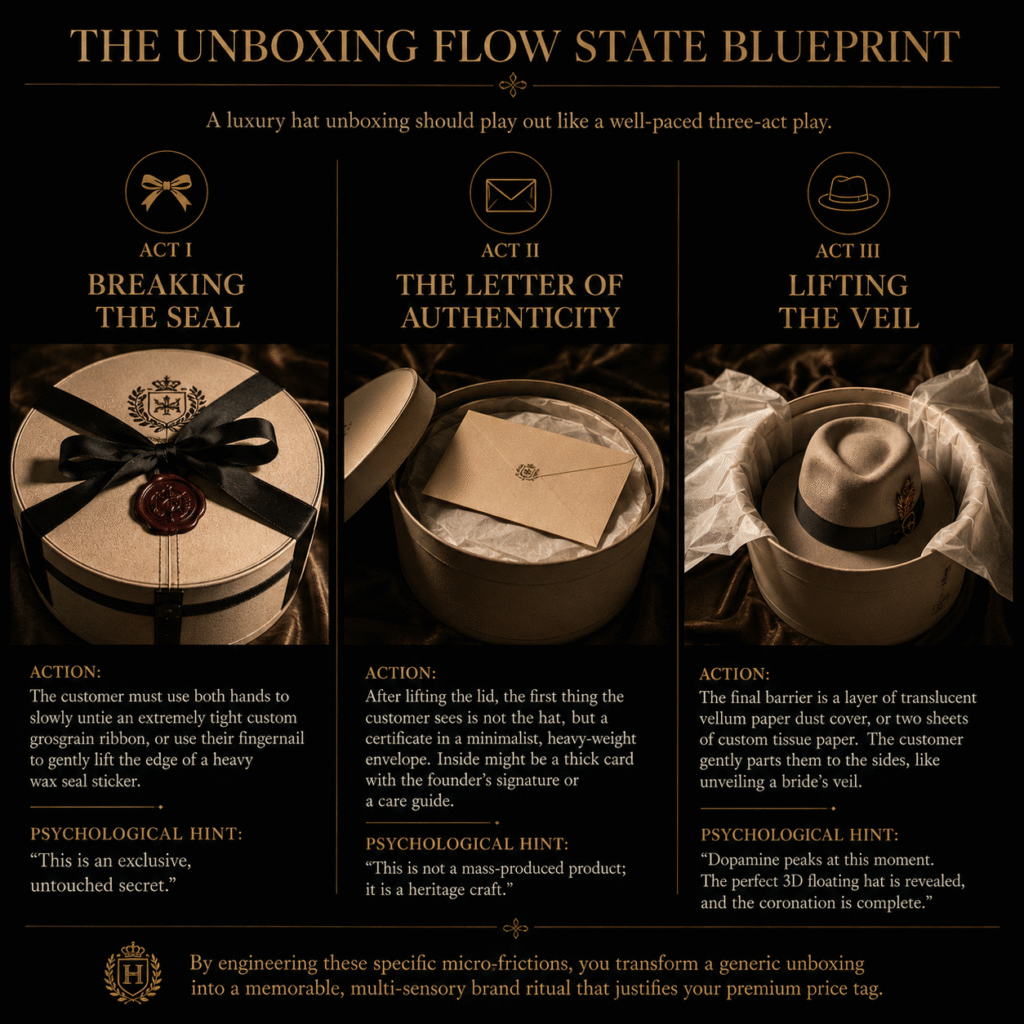
By engineering these specific micro-frictions, you transform a generic unboxing into a memorable, multi-sensory brand ritual that justifies your premium price tag.
IX.The Lifelong Visual Asset: Walk-in Closet Aesthetics
The lifecycle of a generic corrugated box ends the moment the product is removed; its final destination is the recycling bin, contributing to the millions of tons of paper waste tracked by the EPA. But a premium hat box operates on a completely different timeline. It is engineered for Longevity
1. The Living Billboard
For hat enthusiasts, storing headwear is a notorious pain point. Hats left on open shelves collect dust, and hats stuffed in drawers lose their shape.
When you provide a massive, beautifully crafted rigid box, you are solving a secondary problem for your customer. The box transitions from “shipping packaging” to a Permanent Storage Solution . It earns a permanent spot in the customer’s walk-in closet.Every morning when they get dressed, your brand logo—elegantly foil-stamped on the side of the box—serves as a daily visual reminder, securing years of free, high-quality brand exposure.
2. The Perfect Physical Sanctuary
The breathability of the material: Unlike airtight plastic containers that can trap moisture and cause premium wool or felt to mildew, a high-quality paperboard box allows the natural materials of the hat to breathe while completely blocking destructive UV light and dust.
X.The ROI of Hat Boxes: Your Smartest Marketing Investment
When D2C founders look at the unit cost of a luxury rigid hat box (often ranging from $5 to $15 depending on size and finish), the immediate reaction is often sticker shock. But treating packaging as a pure “expense” is a fundamental accounting error. Through the lens of Value Engineering (VAVE)—a systematic method to improve the value of goods as defined by Investopedia—premium packaging is a high-yield marketing asset.
1. The Financial ROI Matrix
Let’s break down how investing an extra $10 in a hat box directly impacts your profit margins:
| (Business Metric) | (Cheap Flimsy Packaging) | (Premium Rigid Hat Box) | (Financial Impact) |
| (Pricing Power) | The consumers have a low expectation, so we can only sell it for $120. | Perfectly creates a “coronation effect”, and easily prices it at $190. | +$70 Absolute Gross Margin |
| (Return Rate) | The brim of the hat has become flattened and deformed, resulting in a return rate of up to 15%. | Suspension structure provides 100% protection, reducing the return rate to 2%. | Recover the huge costs of reverse logistics and scrap disposal |
| (UGC / Virality) | No one shares, remaining unknown. | The stunning product opening experience triggered a large number of active posts and TikTok videos. | Significantly reduce the cost of customer acquisition (CAC) |
2. Social Currency and Free Traffic
In the age of TikTok and Instagram, unboxing is a spectator sport. A plain brown box gets recycled in silence. A stunning, dramatic round hat box with a wax seal and floating inner architecture becomes Social Currency . Customers will film the unboxing process, fueling the massive unboxing video phenomenon heavily documented by Think with Google, to show off their aesthetic taste to their followers. That extra $10 you spent on the box just bought you a highly targeted, authentic influencer video that would have otherwise cost you hundreds of advertising dollars.
XI.Conclusion & Call to Action
Selling a premium hat without a premium box is like serving a Michelin-star meal on a paper plate.
Your hat box is not just a shipping vessel; it is the ultimate brand speaker, the physical protector of your craftsmanship, and the director of your customer’s dopamine response. By investing in the structural integrity and sensory details of a “coronation-level” unboxing experience, you are not increasing your expenses—you are exponentially multiplying your perceived value, obliterating return rates, and securing lifelong brand loyalty.
Stop shipping hats, and start delivering coronations.
Are you ready to elevate your millinery brand’s unboxing experience? Contact the packaging engineers at your brand today. Send us your hat dimensions, and our structural team will design a custom, crush-proof White Sample to demonstrate exactly how we can suspend your hat in mid-air and elevate your pricing power to the next level.
FAQ
Why should a D2C brand invest $10+ in a hat box when a standard corrugated box costs $1?
Because packaging for premium hats is a marketing asset, not a shipping expense. A $10 luxury box allows you to increase the hat’s retail price by $50, drastically reduces returns due to crushed brims, and generates free social media marketing through unboxing videos.
What is the best internal structure to protect a fedora or Panama hat during transit?
The “floating” architecture. We use a custom-sized cylindrical paperboard pedestal or a molded pulp insert to hold the hat’s crown. This suspends the brim entirely in mid-air, ensuring it never touches the bottom or sides of the box during rough handling.
Are luxury rigid hat boxes environmentally friendly?
Absolutely, if engineered correctly. By eliminating plastic polybags and foam, and utilizing FSC-certified heavy paperboard with water-based glues, the box becomes 100% recyclable. More importantly, its durability encourages customers to keep it for lifelong closet storage, eliminating single-use waste.
How do we handle the high Dimensional Weight (DIM Weight) shipping costs for large hat boxes?
Do not shrink the box to save on DIM weight; this will damage the hat and ruin the premium illusion. Instead, price the “air” into your product margin. The psychological impact of a massive, protective box justifies the higher premium you charge the customer.
Why are round hat boxes (bandboxes) perceived as more luxurious than square ones?
Square boxes subconsciously signal mass production and standard e-commerce deliveries. Round boxes have a deep historical connection to the “Golden Age of Travel” and aristocratic luggage, instantly communicating exclusivity, craftsmanship, and “Old Money” aesthetics.
What are "micro-frictions" in the unboxing experience?
Micro-frictions are intentional physical barriers—such as untying a thick ribbon, breaking a wax seal, or lifting a tight-fitting lid. They deliberately slow down the customer, creating a “Flow State” of focused anticipation that makes the final product reveal feel much more valuable.