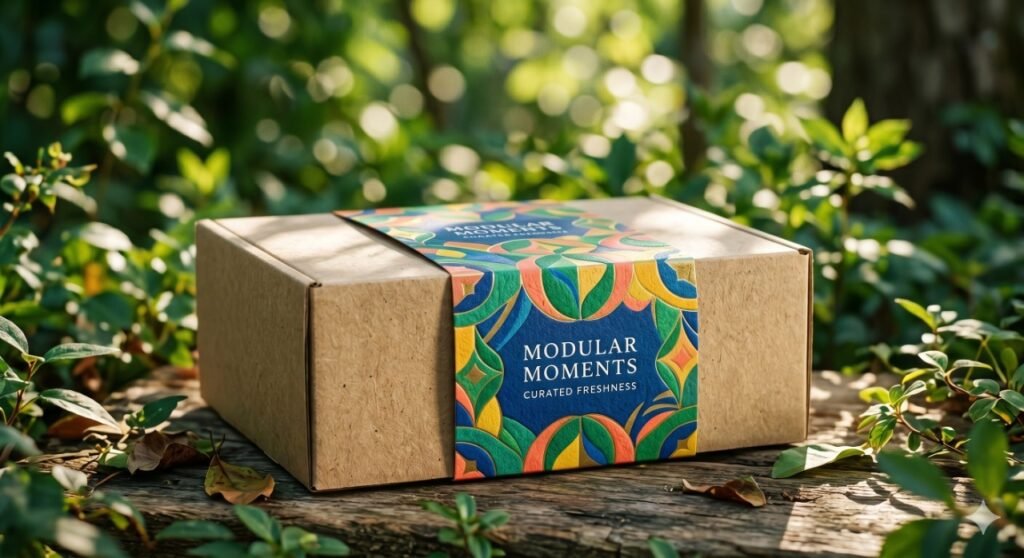
I. Introduction: The Dangerous "Month-3" Churn Cliff
Let’s be brutally honest about the subscription box packaging business model: acquiring a new customer is incredibly expensive, and keeping them is even harder. You can spend a fortune on Facebook ads and influencer marketing to get someone to subscribe, but industry data reveals a harsh reality
Regardless of how amazing your product curation is, a significant percentage of subscribers will cancel their memberships between the third and fourth months. Why? Because the magic wears off.
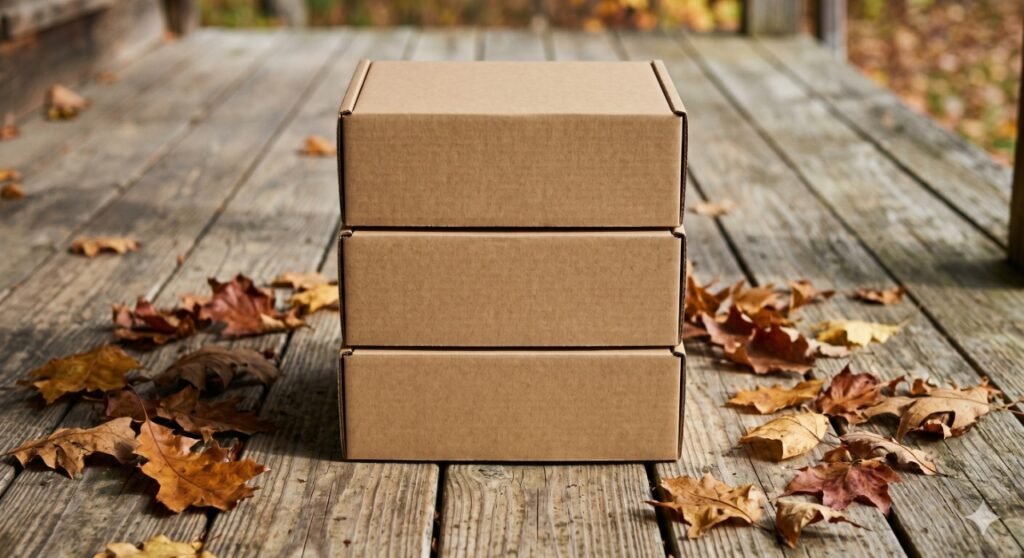
When a customer receives their first box, the perceived value is at an all-time high. But by month three, receiving the exact same physical box feels like a routine chore rather than a premium gift. They aren’t necessarily tired of your products; they are suffering from Unboxing Fatigue.
To protect your Customer Lifetime Value (LTV) and justify your Customer Acquisition Cost (CAC), your packaging cannot be a static shipping vessel. It must act as a dynamic retention tool that actively re-engages the customer’s anticipation every single month.
II. The Psychology of Unboxing Fatigue
To solve the churn problem, we first need to understand how the human brain processes recurring deliveries. The culprit behind your dropping retention rates is a neurological process called Habituation, a well-documented behavioral phenomenon defined by the American Psychological Association.
1. The Dopamine Spike vs. The Flatline
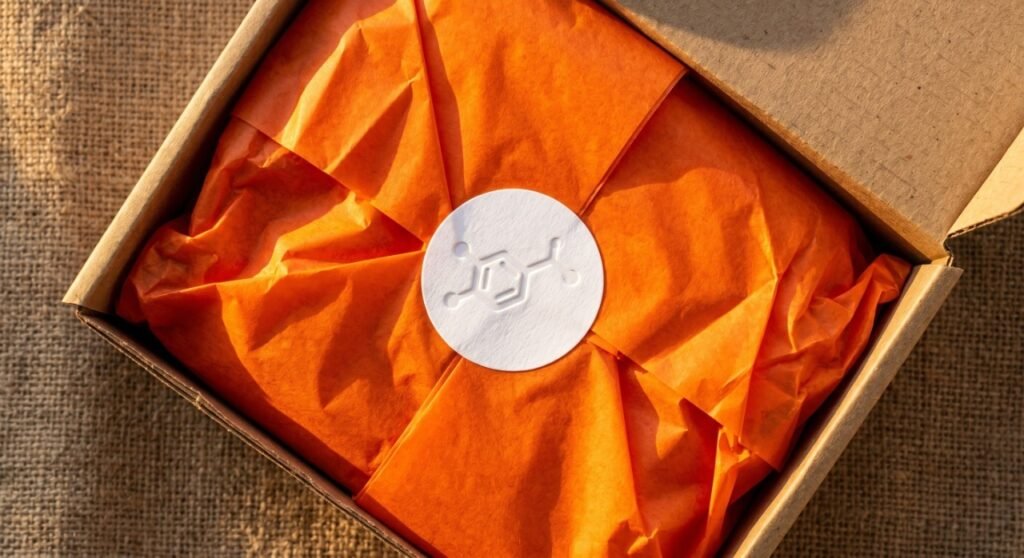
The subscription economy is built on selling the “unknown.” When a customer opens your box for the first time, the unfamiliar colors, the crisp sound of tissue paper, and the visual reveal of the products trigger a massive spike in dopamine—the brain’s reward neurotransmitter.
However, the human brain is highly efficient. By the third time it encounters the exact same box, with the exact same logo placement and the exact same structural opening mechanism, it stops processing it as a “novel” event. The dopamine response flatlines. The excitement is replaced by indifference. Once indifference sets in, the customer starts looking at the monthly credit card charge critically, leading directly to cancellation.
2. Managing Expectation and Novelty
To break this cycle of habituation, your packaging must visually and physically signal “Newness” before the box is even opened.
III. The Financial Trap of Monthly Redesigns
When brands first notice their retention rates dropping, the instinctive reaction is often a creative scramble. Marketing teams push to design a completely new, thematic box from scratch every single month—a Halloween box in October, a festive box in December, a spring-themed box in March. While this certainly cures unboxing fatigue, it triggers a catastrophic supply chain nightmare.
1. The Hidden Costs of Constant Change
Constantly changing the structural dimensions and full-box printing of your packaging means you are constantly paying for setup fees. Every new box size requires a new wooden cutting die. Every new full-color design requires new printing plates.
More dangerously, changing designs monthly makes it impossible to leverage economies of scale. Instead of ordering 50,000 boxes at a rock-bottom unit price, you are forced to order 5,000 boxes 10 separate times. You pay premium short-run prices, and if a particular month’s theme underperforms, you are left holding thousands of dollars in “dead stock” (obsolete packaging) that can never be used again.
2. Packaging Economics Breakdown
To truly understand the financial impact, let’s compare the traditional redesign approach with a VAVE (Value Analysis/Value Engineering) modular strategy:
| Cost Category | Traditional Monthly Redesign | Modular Packaging Strategy |
| Tooling & Setup Fees | Extremely High (New dies & plates every 30 days) | Minimal (One-time die cost, cheap digital print plates for sleeves) |
| Purchasing Volume | Low Volume / High Unit Price | Massive Volume / Lowest Unit Price |
| Dead Stock Risk | Critical (Unused seasonal boxes must be scrapped) | Zero (Unused base boxes simply roll over to next month) |
| 3PL Fulfillment Cost | High (Warehouse workers must learn new folding steps monthly) | Low (Standardized folding process maximizes packing speed) |
| Overall ROI | Negative (Packaging costs eat directly into profit margins) | Highly Positive (Retains customers while suppressing supply chain costs) |
You cannot solve a marketing problem by destroying your profit margins. We must find a way to hack the consumer’s perception of “newness” without actually manufacturing a new box.
IV. The Modular Packaging Architecture Defined
This is where true packaging engineering takes over. The ultimate solution to the subscription box dilemma is the Modular Packaging Architecture. It is the physical manifestation of Value Engineering in the D2C space.
Modular packaging is built on a very simple, yet incredibly powerful 80/20 formula (the Pareto Principle): standardize the expensive structural core (80%) and rapidly rotate the inexpensive visual variables (20%).
1. The Standardized Core (The Fixed Asset)
The structural integrity of your box—the thick corrugated board that protects the products and dictates the dimensional weight (DIM weight) for shipping—is your “fixed asset.”
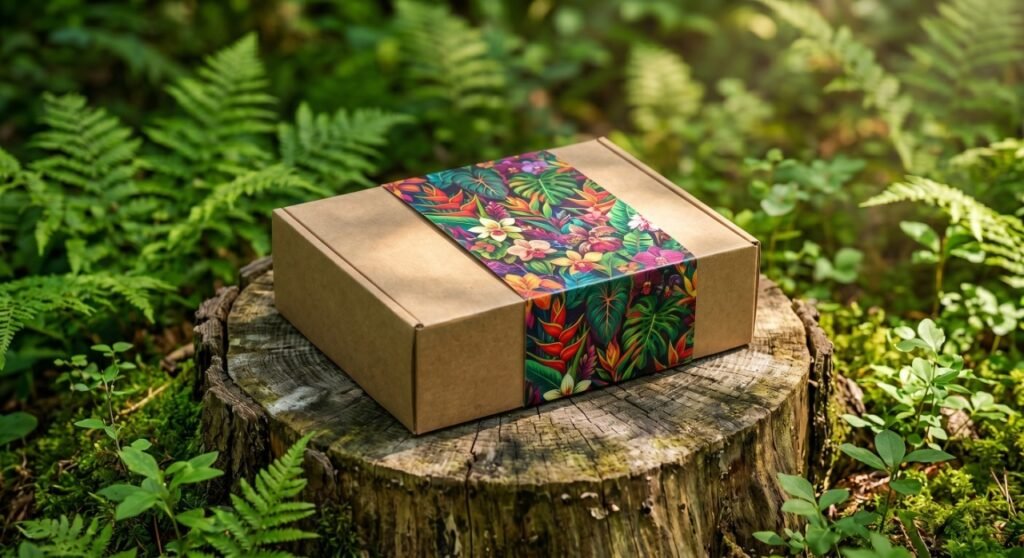
In a modular system, you lock in this exact size and structure for 6 to 12 months. Because you aren’t changing the base structure, you can confidently order 50,000 or 100,000 plain, unprinted (or minimally printed) kraft or matte black boxes in a single run. This drives your primary material cost down to the absolute floor.
2. The Agile Variables (The Fluid Asset)
If the base box is exactly the same, how do we prevent habituation? We rely on the “fluid assets”: paper sleeves, dynamic inserts, tissue paper, and stickers.
These elements are incredibly cheap to manufacture, require little to no tooling setup, and can be printed digitally in small, highly customized batches. By sliding a vibrantly printed, themed paper sleeve over your standardized base box, you completely alter the visual silhouette and unpacking experience.
To the customer’s brain, a completely different external pattern, combined with a new color of tissue paper inside, signals a 100% novel experience. To your CFO, the packaging budget remains flat, predictable, and heavily optimized. You have successfully engineered the illusion of constant reinvention.
V. Component 1: The Standardized "Vault" Outer Box
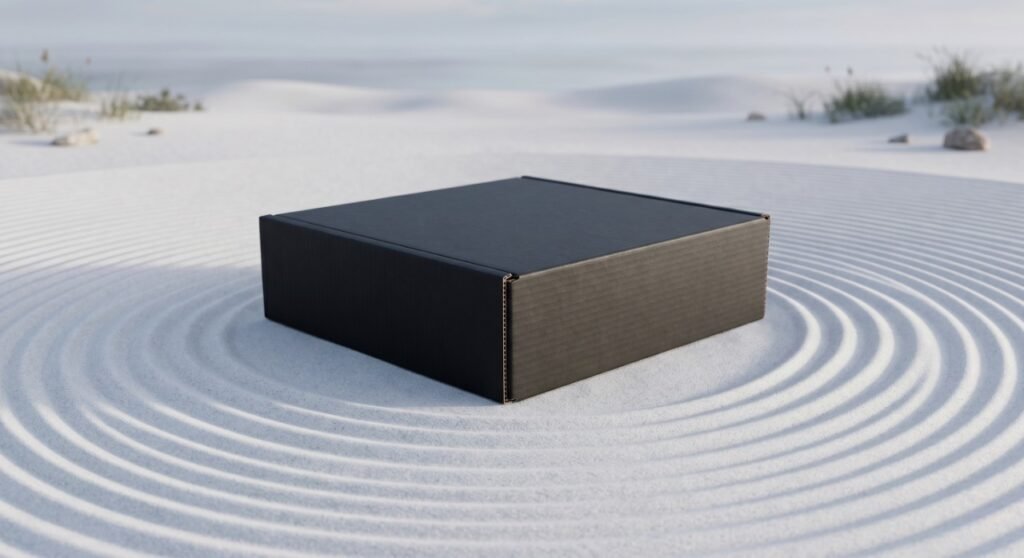
The foundation of any modular packaging system is the base box—what we like to call the “Vault”. This is the heavy-duty corrugated mailer box that physically protects the products and withstands the brutal logistics network. In a modular strategy, this box must become your unchanging, fixed asset.
1. The Art of Right-Sizing
The biggest mistake D2C brands make is creating a new box size for every slightly different product curation. This leads to SKU proliferation and nightmare warehouse management.
The VAVE Approach : Before ordering, our structural engineers analyze your past 12 months of product curations and project your future inventory. We use 3D modeling to find the “Golden Ratio” box dimension—a single size that perfectly accommodates 95% of your monthly variations.
2. The Magic of Bulk Purchasing
Once you lock in that single, universal dimension, the true financial power of the Vault is unlocked.
Stripping Away Print Costs : You strip away all expensive full-color printing from this base box. Instead, you opt for a premium, unprinted material—like a raw, unbleached kraft board or a sleek, solid matte black E-flute corrugated board.
Economies of Scale : Because the design never changes, you can place a massive purchase order (e.g., 50,000 to 100,000 units) to cover your next six months of fulfillment. This pushes your per-unit manufacturing cost down to the absolute floor, shielding your margins from inflation and supply chain volatility.
VI. Component 2: The Magic of Custom Sleeves
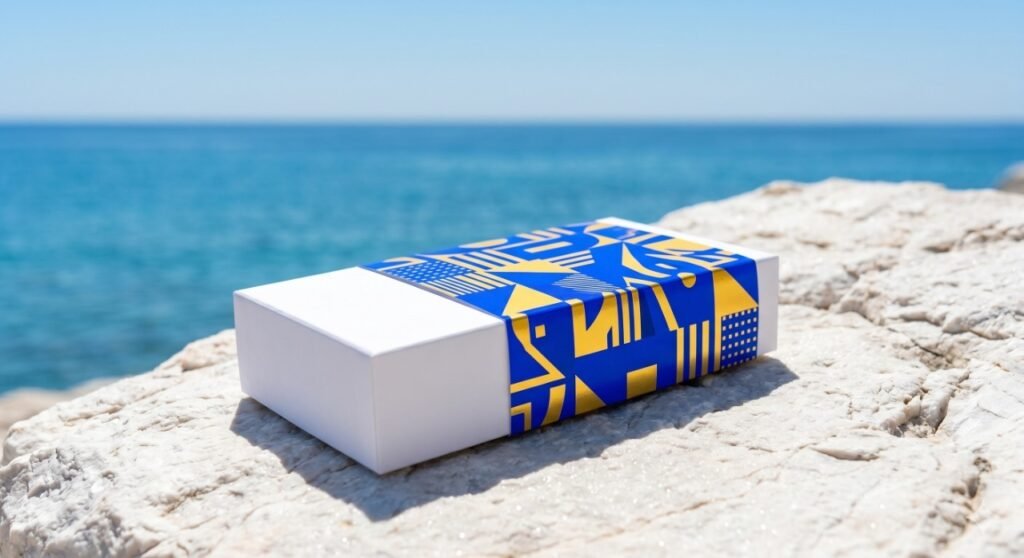
If the base box is a blank canvas, the Custom Sleeve is the paint.. A sleeve is a simple piece of printed paperboard that slides tightly over the closed mailer box. This is where you invest your marketing budget to cure unboxing fatigue.
1. Visual Deception and First Impressions
In neuromarketing, the first three seconds of visual contact dictate the entire unboxing experience.
The Silhouette Shift : When a vibrant, heavily customized sleeve wraps around a plain kraft box, it completely alters the packaging’s silhouette. The customer doesn’t see a generic brown box; they see a vibrant Valentine’s Day gift, a spooky Halloween mystery box, or a sleek summer-themed package. You are delivering a 100% novel visual stimulus using only a piece of paper.
2. Agile Printing and Zero Tooling
The operational genius of the custom sleeve lies in its manufacturing simplicity.
No Cutting Dies Needed : Unlike folding cartons or mailer boxes, sleeves are essentially straight cuts of paper. They require no expensive wooden cutting dies or complex folding/gluing processes.
Digital Short Runs : Because they are cheap and flat, sleeves can be digitally printed in highly agile, short-run batches. If you have 5,000 subscribers this month, you print exactly 5,000 sleeves with this month’s unique artwork. There is no dead stock, no massive minimum order quantities (MOQs), and no wasted capital. You stay hyper-relevant to seasons and trends while your heavy “Vault” boxes wait patiently in the warehouse.
VII. Component 3: Dynamic & Adaptive Inserts
If the custom sleeve handles the exterior visual transformation, the custom packaging insert manages the interior physical reality. The defining challenge of a subscription box is that the curation changes monthly. In January, you might ship a tall bottle of toner and a small jar of eye cream; in February, you might ship a flat eyeshadow palette and three makeup brushes.
How do you secure completely different items without manufacturing a new box?

1. Saying Goodbye to Rigid Foam
Custom-cut EVA or polyurethane foam is luxurious, but it is the enemy of modularity. Foam is rigid and unforgiving. If a product’s dimension changes by even 5 millimeters next month, the old foam insert is completely useless and must be thrown away.
2. Grid & Divider Systems
The Agile Solution: Instead of static foam, we engineer Adjustable Corrugated Dividers . These are interlocking pieces of thin E-flute board that can be shifted into different grid patterns.
The ROI: By pre-scoring multiple interlocking points on the dividers, your fulfillment team can instantly reconfigure the internal layout to snugly fit that month’s specific products. One standardized divider system can accommodate dozens of different product combinations, eliminating the need for new die-cut tooling every 30 days.
3. The Art of Premium Void Fill
When dynamic inserts leave small gaps, you don’t use cheap plastic bubble wrap. You use premium void fill as a deliberate sensory asset.
Crinkle Paper & Tissue : Packing the void space with high-quality, color-coordinated Crinkle Paper or wrapping the items in Custom Tissue Paper serves a dual purpose. It physically absorbs shocks during transit, and it visually conceals the products, forcing the customer to physically dig through the layers—enhancing the “treasure hunt” dopamine release that drives the massive unboxing phenomenon on platforms like YouTube.
VIII. Component 4: Micro-Interactions & Variable Data Printing
Novelty isn’t always about massive structural redesigns; sometimes, the most profound psychological impacts are hidden in the micro-frictions of the unboxing ritual. These are the details that cost mere pennies but generate massive brand loyalty.
In a modular system, you use inexpensive “micro-components” to signal that this month’s box is distinctly different from last month’s.

1. The Power of Pennies: Stickers & Seals
Never underestimate the neuromarketing power of a physical seal.
Rotating the Seal : If your outer box is standard matte black, and the tissue paper inside is standard white, you can completely change the vibe simply by rotating the custom sticker used to seal the tissue paper. Use a holographic foil sticker for a futuristic theme, a heavy red wax seal for an anniversary box, or a matte pastel sticker for a spring curation. It is a tiny, localized visual disruption that tells the brain, “This is new.”
2. Variable Data Printing (VDP) and Personalization
The ultimate cure for subscriber fatigue is making the experience feel strictly 1-on-1, a strategy heavily backed by research showing consumers demand personalized interactions., rather than 1-to-1-million.
The Tech: Modern digital presses utilize Variable Data Printing . This allows you to print a different name, message, or QR code on every single insert card without stopping the printing press.
The Impact: When a subscriber opens their Month-3 box and the welcome card doesn’t just say “Welcome to the Club,” but specifically says, “Happy 3rd Month, Sarah! We picked this night cream specifically for your dry skin profile,” the habituation cycle is shattered. You have shifted the packaging from a generic container to a highly personalized concierge service.
IX. The 3PL Dream: Logistics Agility & SKU Reduction
Marketing teams love variety, but Third-Party Logistics (3PL) providers charge you for complexity. In the fast-paced world of D2C e-commerce packaging, if you have 12 different box sizes for 12 different months, you are bleeding money in hidden fulfillment fees.
1. The SKU Nightmare vs. The Modular Reality
As highlighted by supply chain experts analyzing warehouse inefficiencies, every unique box size is a distinct SKU that must be palletized, racked, and tracked. 3PLs charge storage fees per pallet location. Furthermore, warehouse workers are slower when they have to learn a new folding technique for a different box every 30 days.
📊 Supply Chain Cost Hedging
Traditional Method : 12 Box Sizes = 12 Pallet Slots = High Storage Cost + High Error Rate.
Modular Method : 1 Base Box + 12 Flat Sleeves = 2 Pallet Slots = Minimal Storage Cost + Max Packing Speed.
2. Standardized Assembly Lines
When your “Vault” box remains identical all year, your 3PL team develops muscle memory. They fold the box, insert the dynamic grid, drop in the products, and slide on the sleeve with robotic efficiency. This massive reduction in “assembly seconds” directly lowers the handling fees invoiced by your 3PL.
X. The ESG Bonus: Sustainability in Modular Systems
Beyond financial savings, modular packaging is the ultimate ESG (Environmental, Social, and Governance) hack for sustainable packaging. As strict Extended Producer Responsibility (EPR) regulations enforced by the European Commission penalize excessive packaging in Europe and North America, agility equals sustainability.
Zero Dead Stock : If a specific “Valentine’s Day” box doesn’t sell out, a traditionally printed box goes straight to the landfill. In a modular system, you simply recycle the leftover cheap paper sleeves. The expensive kraft boxes roll over to the next month. You have effectively eliminated Scope 3 packaging waste.
Mono-Material Recycling : Because sleeves slide on without toxic glues, and the inserts are made of folded corrugated board instead of plastic foam, the entire package is 100% Curbside Recyclable
XI. Conclusion & Call to Action
Customer retention is not just a marketing challenge; it is a structural engineering problem.
Unboxing fatigue will silently kill your Customer Lifetime Value (LTV) if you treat packaging as a static afterthought. By implementing a Modular Packaging Architecture—anchored by a highly optimized “Vault” box and continuously refreshed by agile custom sleeves, dynamic inserts, and variable data printing—you achieve the impossible. You deliver a dopamine-spiking, novel unboxing experience every single month while simultaneously crushing your supply chain and 3PL costs.
✅ Your Next Step : The Modular Readiness Checklist
[ ] Do you have a standardized outer box size for at least 80% of your products?
[ ] Are you paying monthly tooling/die costs for new box shapes?
[ ] Is your 3PL charging you extra for complex multi-piece assembly?
Stop redesigning boxes and start engineering systems. Send your past three months of product curations to the structural experts at Yihong Packaging. We will run a VAVE analysis and design a Custom Modular White Sample specifically for your D2C brand—proving that you can increase novelty while lowering your packaging spend.
FAQ
Does sliding a paper sleeve onto a box slow down my 3PL's fulfillment speed?
Actually, it often speeds it up. Instead of folding a complex new box shape every month, workers fold the exact same base box rapidly via muscle memory. Sliding a pre-glued sleeve over a box takes less than 2 seconds, making the overall assembly time significantly faster and cheaper.
Are adjustable corrugated dividers strong enough to protect heavy glass skincare bottles?
Absolutely. We use high-grade E-flute or B-flute corrugated board for the dividers. When interlocked, they form a rigid grid structure that provides exceptional crush resistance and lateral shock absorption, easily protecting fragile and heavy glass items during transit.
Can we use modular packaging if our products change drastically in size every month?
If the dimensions change drastically (e.g., shipping a lipstick one month and a winter coat the next), a single base box won’t work. However, we can create a “Tiered Modular System”—using just two or three standardized box sizes (Small, Medium, Large) paired with adaptable sleeves, which still massively reduces SKUs compared to a custom box for every single launch.
Can a custom sleeve stay secure during rough postal transit?
Yes. We engineer the sleeve with a tight physical tolerance (friction fit) so it grips the mailer box securely. For extra security in rigorous shipping networks, we recommend applying a clear or custom-branded tamper-evident sticker that anchors the sleeve to the base box.
Will "crinkle paper" void fill make a mess in the customer's living room?
Not if you use premium quality. Cheap paper dusts and scatters easily. We supply premium, dust-free accordion-cut crinkle paper that holds its shape and stays clustered inside the box. It feels like a high-end gift basket rather than a messy shipping crate.
Is a printed sleeve cheaper than printing directly on the corrugated mailer box?
Generally, yes. High-quality offset printing on thick corrugated board requires expensive litho-laminating processes and large setups. Printing on a thin paper sleeve is much faster, uses less ink, requires zero die-cutting complexity, and is significantly cheaper to produce, especially for short runs.