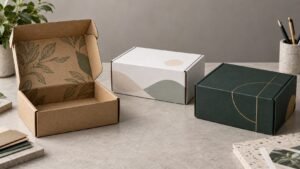
A telescoping box features a two-piece box design with a lid and base that slide together, allowing adjustable height for different products. This telescopic box gives a secure, customizable fit, reducing wasted space and improving protection. In 2026, the global telescope box market reaches USD 209.1 billion. Industries such as food, shipping, retail, and art use telescoping boxes for packaging items like electronics, paintings, and luxury gifts.
Metric | Value |
|---|---|
Global Telescope Box Market Value (2026) | USD 209.1B |
Market Share of Full Product Type Segment | 57.3% |
Market Share of Paper & Paperboard Material | 35.6% |
Revenue Share of Shipping & Logistics End-Use | 32.8% |
Forecast CAGR (2025-2035) | 3.4% |
Telescoping shipping box options support growth in e-commerce and help protect consumer goods during transit.
Key Takeaways
Telescoping boxes have an adjustable two-piece design that fits products securely, reducing damage and saving space during shipping and storage.
Different types like full telescope, partial telescope, and double cover boxes serve various needs, from heavy-duty shipping to luxury packaging and art protection.
Customizable features and durable materials make telescoping boxes ideal for many industries, offering cost savings, eco-friendliness, and a premium look.
Telescoping Box Types
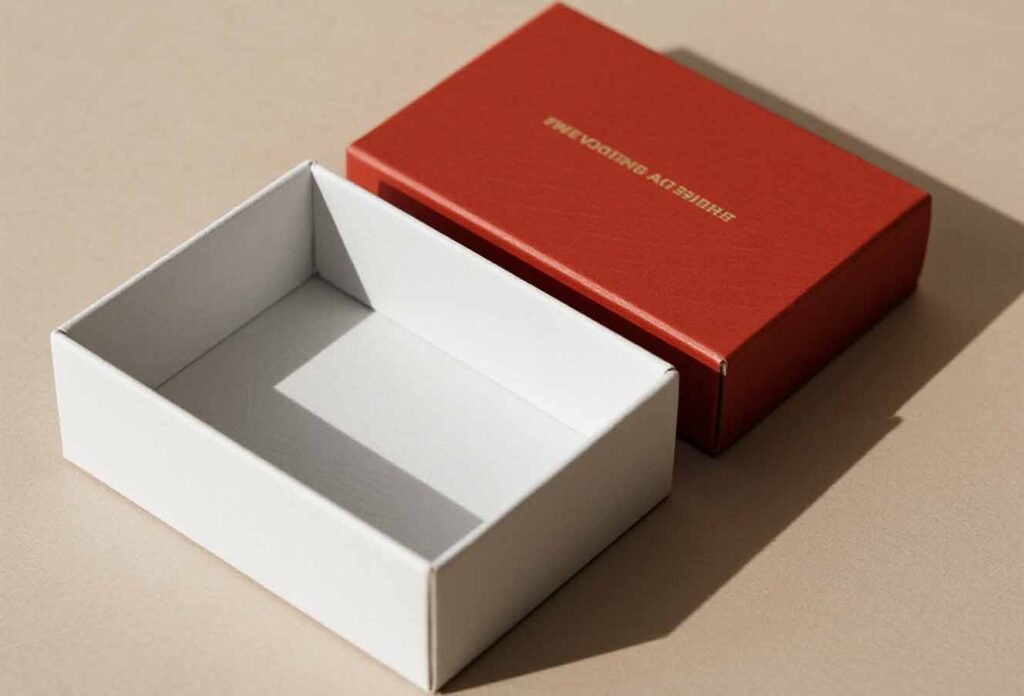
Telescope boxes come in several styles, each designed for specific packaging needs. The structure and coverage of each type affect how products stay protected during shipping or storage.
Full Telescope
A full telescope design features a lid that completely covers the bottom half of the box. This style provides full side-wall protection, making it ideal for heavy-duty shipping and luxury packaging. Manufacturers often use full telescope half slotted containers for machine parts, tools, and premium gifts such as jewelry or wine. The complete coverage helps prevent damage and keeps items secure.
Partial Telescope
Partial telescope design uses a lid that only covers part of the base, leaving some of the bottom exposed. This approach reduces material use and can create an attractive contrast between the lid and base. Retailers and e-commerce companies prefer partial telescope type boxes for subscriptions, books, and electronics. Artists and printers also use these boxes for framed paintings and portfolios. The partial coverage suits situations where less protection is needed or where visual appeal matters.
Double Cover
Double cover telescope type boxes consist of a four-sided strip folded into a tube, with trays on both the top and bottom. This structure allows products like pipes and machinery to stay enclosed and protected from both ends. Some double cover boxes include interlocking flanges for extra security, especially for large or heavy items.
Tip: Choosing the right telescope boxes depends on the product’s size, weight, and the level of protection required.
Type | Structural Features | Typical Use Cases in 2026 |
|---|---|---|
Full Telescope Design | Lid fully covers bottom half, full side-wall protection | Heavy-duty shipping, luxury packaging, machine parts, wine |
Partial Telescope Design | Lid partially covers bottom half, aesthetic contrast | Retail, e-commerce, art storage, books, electronics |
Double Cover | Tube with trays on top and bottom, optional interlocking flanges | Pipes, machinery, large or heavy items |
Telescopic Boxes Features
Adjustable Height
Telescopic boxes offer a unique adjustable height feature. The two-piece design, with a base and lid that slide together, allows users to change the box’s depth to match the product’s size. This flexibility ensures a perfect fit for each item. Telescoping boxes minimize empty space inside the package, unlike fixed-height boxes that often leave gaps.
The adjustable design reduces the need for extra packing materials.
Companies can use one box size for many products, saving warehouse space.
The compact fit lowers shipping costs and helps reduce the carbon footprint.
Products stay secure during transit, with less movement and lower risk of damage.
Efficient stacking and storage become possible, making logistics smoother.
Material and Durability
Manufacturers choose materials for telescopic boxes based on strength and protection needs. Corrugated cardboard remains the most popular choice in 2026. The material’s layered structure, with fluted profiles, provides durability and impact resistance.
Material Type | Description | Common Flute Types | Flute Characteristics | Durability Measure |
|---|---|---|---|---|
Corrugated Cardboard | Durable layered cardboard with fluting | C-Flute, A-Flute | C-Flute: most common, 3/16" thick | |
A-Flute: strongest, 1/4" thick | Indicates box strength |
Telescoping boxes often use C-Flute for everyday shipping and A-Flute for heavy-duty needs. The Edge Crush Test (ECT) measures how much weight the box can hold. Triple-wall options exceed 0.5″ thickness, offering extra protection for fragile or heavy items. Reinforced edges and corners add impact resistance, which is critical for valuable goods.
Vertical Load Architecture — Guarding the Rigidity of Heavy-Load Assets
Due to its double-wall thickness (lid wall + base wall), the telescoping box is the strongest structure for vertical compression. Yihong Box utilizes “Geometric Reinforcement Logic” to transform it into a physical-grade sanctuary.
Full-Height Overlap Support: Our telescoping designs often feature full-telescope structures. This means the sidewalls possess double the board thickness, boosting Edge Crush Test (ECT) ratings by over 200% compared to standard single-wall boxes, making them ideal for heavy electronics or luxury goods.
90° Precision V-Groove Skeleton: Through digital grooving processes, we ensure every corner presents a perfect right angle, eliminating structural looseness caused by rounded edges. This architectural-grade crispness grants the packaging an “indestructible” sense of psychological security.
Protection and Security
Telescopic boxes provide strong protection during shipping and storage. The two-piece design creates a snug enclosure that cradles the contents. Corrugated cardboard, with its fluted middle layer, cushions products against shocks and bumps.
Single, double, and triple-wall options increase impact resistance.
Reinforced corners and edges prevent crushing and damage.
The fitted lid acts as a tamper-resistant barrier, keeping out dust and moisture.
The secure sliding fit helps prevent unauthorized access and keeps products pristine until opened.
Stackability improves stability during transport, reducing the chance of accidents.
Customization
Custom telescoping boxes allow brands to create packaging that matches their identity and enhances customer experience. Companies can add logos, colors, and special finishes to make products stand out.
Tailor-made sizes and shapes ensure the packaging fits perfectly.
Luxury finishes, such as glossy or matte lamination, add a premium feel.
Custom inserts, like foam or silk, secure products and elevate perceived value.
Branding enhancements, including embossing and foil stamping, reinforce brand identity.
Magnetic closures and layered sliding components create a memorable unboxing experience.
Custom telescoping packaging supports luxury presentation and protects items during shipping.
Telescopic boxes combine robust construction with visual appeal. Brands use these features to improve customer satisfaction and build loyalty.
Telescoping Boxes Uses
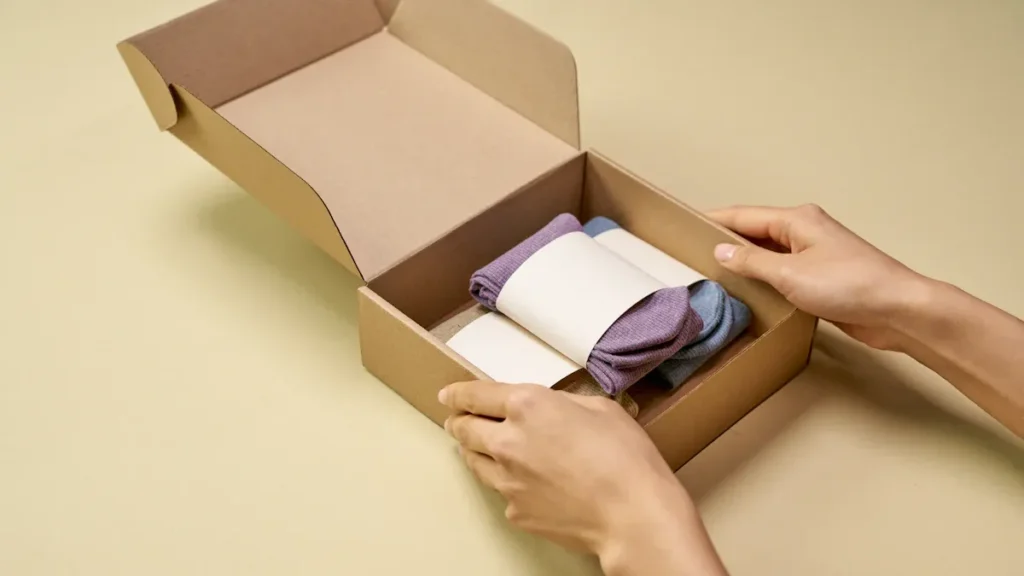
Shipping and Storage
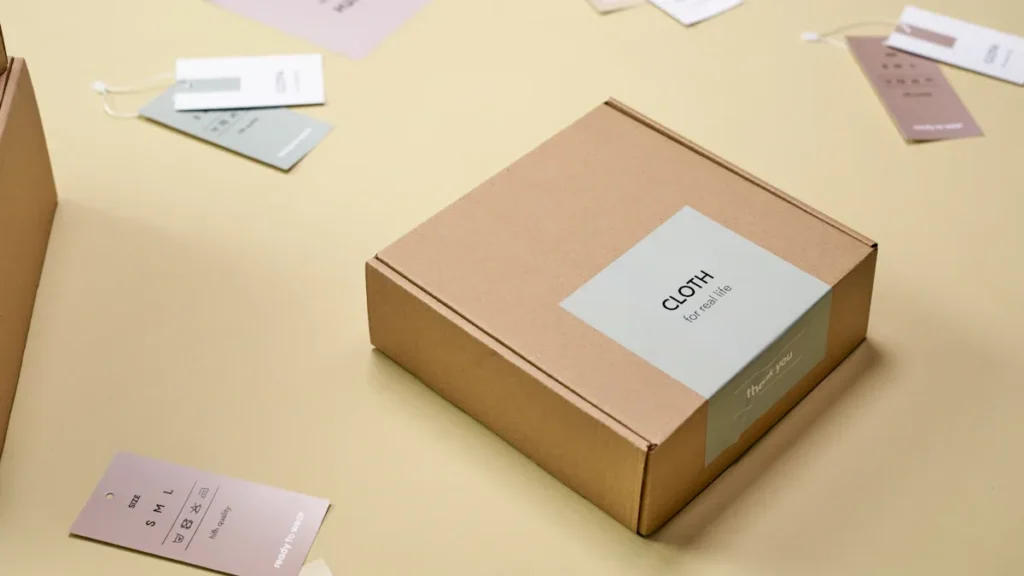
Telescoping shipping boxes play a vital role in modern logistics. Companies use these boxes to ship and store a wide range of products. The adjustable two-piece design allows for a snug fit, which reduces empty space and protects items from damage. Retailers and e-commerce platforms rely on telescoping shipping boxes to deliver subscriptions, books, electronics, and sensitive items. Industrial manufacturers use them to transport tools, machine parts, and instruments of different sizes. Printing companies and artists prefer telescoping shipping boxes for framed paintings, canvas prints, posters, and photography portfolios. The tight lid fit keeps products secure during transit and storage, minimizing the risk of shifting or falling out.
Most frequent shipping and storage applications in 2026:
Retail and e-commerce packaging for subscriptions, books, and electronics.
Industrial and manufacturing fields for tools, machine parts, and instruments.
Printing, art, and photography for framed paintings, posters, and portfolios.
Telescoping shipping boxes offer excellent strength and durability. Corrugated cardboard with multiple layers and kraft flutes protects heavier and fragile items during long-distance shipping. Companies choose single, double, or triple-wall construction to match the protection level needed. The snug fit reduces the need for extra packing materials and optimizes shipping efficiency.
Premium Packaging
Brands use telescoping packaging boxes to create memorable unboxing experiences for luxury products. The smooth sliding lid and rigid construction convey exclusivity and sophistication. High-quality printing and finishing methods, such as gloss or matte lamination, spot UV, and foiling, provide stunning visual effects. Embossing and debossing add tactile elegance and enhance brand recognition. Custom sizes and shapes allow companies to tailor packaging for electronics, cosmetics, jewelry, and gourmet foods.
Foiling adds metallic details to logos and designs, elevating luxury branding.
Embossing and debossing create 3D and engraved effects for a premium feel.
Spot UV coatings offer gloss or matte finishes that enhance visual appeal.
Custom inserts, die-cut windows, and personalized branding make the unboxing experience unique.
Eco-friendly, recyclable materials support sustainability while maintaining luxury standards.
Telescoping packaging boxes protect high-value products during shipping, ensuring they arrive in pristine condition. Reinforced construction and foam inserts minimize damage risks for fragile items. The two-piece design maximizes product visibility and communicates brand messages effectively.
Pneumatic Damping Engineering — Mastering the “Breath” of Unboxing
The most captivating aspect of a telescoping box is the moment the lid slowly slides off. Yihong Box eliminates the sturdiness issues or loose fits common in cheap packaging through “Fluid Dynamic Tolerances.”
Controlled Air Escape Path: By calculating the precise gap between the lid and base , we use the resistance of escaping internal air to create a natural damping effect. This “slow descent” not only protects the internal product but also communicates brand stability through physical feedback.
Anti-Vacuum Suction Design: For high-end rigid boxes with excellent sealing, we design invisible pressure-relief structures to prevent consumers from struggling with negative pressure. This detail ensures that even with tight tolerances, the opening process remains silky smooth.
Industry Applications
Telescoping shipping boxes have become essential in several industries. Retailers and e-commerce companies use them for packaging, protection, and branding. Luxury goods brands rely on telescoping packaging boxes for presentation and security. Food and beverage companies choose these boxes for promotional and marketing purposes. Technology firms use telescoping shipping boxes to protect sensitive electronics. Art storage applications benefit from telescoping storage boxes, which provide shock absorption and safeguard mirrors, picture frames, flat panel televisions, and art pieces.
Industry | Application Examples | Benefits |
|---|---|---|
Retail & E-commerce | Subscriptions, books, electronics | Secure fit, branding, reduced waste |
Luxury Goods | Jewelry, cosmetics, gourmet foods | Premium presentation, protection |
Food & Beverage | Promotional packaging, specialty items | Customization, durability |
Technology | Electronics, devices | Impact resistance, adjustable sizing |
Art Storage | Mirrors, frames, art pieces, flat panel TVs | Shock absorption, secure storage |
Telescoping shipping boxes adapt to products of varying sizes and shapes. Their versatility and strength make them suitable for sensitive, fragile, or high-value items. Companies across industries choose telescoping packaging boxes to enhance product protection, presentation, and customer satisfaction.
Comparison and Cost
Versus Regular Boxes
Telescoping boxes offer several advantages over regular boxes. Their adjustable height allows a custom fit for products of many shapes and sizes. The tight lid secures items, reducing movement and damage during shipping. The double-wall design provides extra strength, making these boxes ideal for fragile, long, or heavy goods. Regular boxes often leave empty space, which increases the risk of shifting and breakage. Telescoping boxes also store flat, saving space and reducing handling damage.
Adjustable height fits a wide range of products.
Double-layer protection enhances strength and crush resistance.
Tight lid minimizes shifting and falling out.
Suitable for irregular, heavy, or delicate items.
Sleek appearance supports branding and professional presentation.
Made from recyclable cardboard, supporting sustainability.
Cost-Effectiveness
Businesses find telescoping boxes cost-effective for several reasons. The snug fit reduces the need for extra packing materials. Companies can use one box size for different products, lowering inventory costs. Shipping efficiency improves because boxes stack well and take up less space. Storing boxes flat saves warehouse space and reduces labor costs. Although telescoping boxes may cost more upfront than regular boxes, their durability and protection help prevent product loss and returns.
Telescoping boxes help companies save money by reducing damage, shipping costs, and storage needs.
Custom Options
In 2026, brands request custom sizes, colors, inserts, and eco-friendly materials for telescoping boxes. Popular features include embossing, debossing, spot UV, foiling, and various laminations. Customization increases setup fees and material costs, especially for intricate designs or premium finishes. Minimum order quantities and production waste also affect overall expenses.
Cost Factor | Description | Impact on Packaging Costs |
|---|---|---|
Charges for molds, printing plates, and cutting dies | Higher initial costs for complex designs | |
Minimum Order Quantities | Required units per production run | Raises inventory and cash flow needs |
Material Selection | Choice of durable or eco-friendly materials | Premium materials increase cost-per-unit |
Production Waste | Scraps and misprints | Adds hidden costs |
Storage and Logistics | Warehousing and transportation | Additional expenses |
Custom telescoping boxes enhance branding and customer experience, but businesses must plan budgets to balance quality and cost.
A telescoping box offers superior protection, adjustable sizing, and enhanced branding for modern packaging needs. Companies value its eco-friendly materials, cost savings, and premium appearance.
Double-walled strength reduces damage and returns.
Customization supports luxury presentation and diverse industry use.
Collapsible design saves space and lowers environmental impact.
FAQ
Why do some telescoping boxes become tight or even impossible to open in humid environments?
This is caused by “Dimensional Expansion” as paper fibers absorb moisture. Yihong Box applies “Fiber Stability Pre-treatment” and moisture-proof nano-coatings to ensure the packaging maintains constant dimensions during cross-climate logistics, eliminating the “stuck” phenomenon.
How can I enhance the visual depth of a telescoping box without increasing costs?
We recommend “Contrast Tactile Design.” For example, using specialty paper with fine textures for the lid and a smooth matte film for the base. This physical difference in texture creates a strong sense of brand premium with almost no additional material cost.
Since telescoping boxes are non-collapsible and expensive to ship empty, what optimization solutions do you offer?
We offer Nested Logistics Modeling. By fine-tuning dimensions of the same product series during the design phase, smaller boxes can be perfectly nested inside larger ones. This “Spatial Asset Management” logic increases container utilization by approximately 25%-40%, significantly diluting the per-unit cross-border freight premium.
Can telescoping boxes be fully automated for rapid packaging?
Absolutely. Yihong has developed the “Automated Alignment Gripping Tolerance” system. Our boxes possess extreme dimensional consistency, fitting 2026’s mainstream automated robotic arms perfectly and reducing downtime by 15% compared to the industry average.
Why do some telescoping boxes have uneven resistance or even a harsh grating sound during opening?
This is due to uncalibrated Static Coefficient of Friction (CoF) of the lining paper. Yihong Box performs surface energy treatments on all interior papers to ensure the friction between the inner lid wall and outer base wall remains dynamically constant. This physical smoothness not only eliminates noise but also grants the unboxing process a “premium mechanical feel” akin to high-end soft-close car doors.
How do you ensure the lid doesn't sit "crooked" or create uneven visual gaps during mass production?
This involves Axial Alignment Engineering. Yihong Box utilizes fully digital forming equipment to control diagonal tolerances between the lid and base within 0.1mm. By reserving micro “guide chamfers” at the four corners of the base, we ensure the lid self-centers during closure, presenting perfect geometric parallelism from any display angle.